
What Is A Forest Camp

📖 Table of Contents
I still remember the first time I stepped into a forest camp, the crunch of leaves underfoot and the scent of pine mixing with the damp earth. It was a different kind of travel — not about ticking off landmarks or chasing the next photo op, but about immersing yourself in the rhythm of the woods. A forest camp, for those who haven’t experienced it, is a unique kind of retreat that blends nature with minimal infrastructure, offering an escape that feels both wild and safe.
Forest camps are not the same as traditional campsites or cabin retreats. They are often located deep within forested areas, where the nearest road is miles away, and the only sounds are birdsong and the rustle of wind through the trees. These camps are typically self-contained, with designated areas for tents, fire pits, and sometimes even basic amenities like compost toilets or shared kitchens. I’ve stayed in several, and each one had a different vibe — some were minimalist, others had a more rustic, almost cabin-like feel.
What makes a forest camp truly special is the way it forces you to slow down and connect with the land. I remember one particular trip where I woke up to the first light of dawn filtering through the trees, the air cool and still. There was no Wi-Fi, no cell service, just the sound of a distant stream and the knowledge that I was exactly where I needed to be. If you’re looking for an alternative to the typical travel experience, a forest camp might just be the thing you’ve been missing.
Why You'll Love This Type of Travel
- A deeply immersive connection with nature.
- A break from modern distractions and routines.
- An affordable and flexible way to explore the wilderness.
- Opportunities for reflection, creativity and self-discovery.
What Exactly Is A Forest Camp?
As of November 2026, a forest camp is a type of travel destination that prioritizes connection with the natural world. Unlike traditional camping. Often involves setting up your own tent and bringing everything you need, a forest camp typically provides a pre-established base — complete with fire pits, designated tent areas, and sometimes even shared kitchens or compost toilets.
These camps are usually located in remote forested areas, where the only sounds are birdsong, rustling leaves, and the occasional distant animal call. The concept is simple: give yourself permission to disconnect from the modern world and immerse yourself in the rhythm of the wild.
I’ve stayed in a few different forest camps, and each one had its own unique charm. One was nestled near a river with a stone path leading to a small communal kitchen, while another was deep in the woods with only a single shelter and a fire pit. No matter where you go, the experience is always deeply personal and immersive.
Even the most remote forest camps should have trail markers or a printed map to help you navigate the surrounding area safely. This is especially important if you’re planning to explore beyond the campsite.
Part of our Family camping trips seasonal timing guides guide.
The Benefits of a Forest Camp Experience
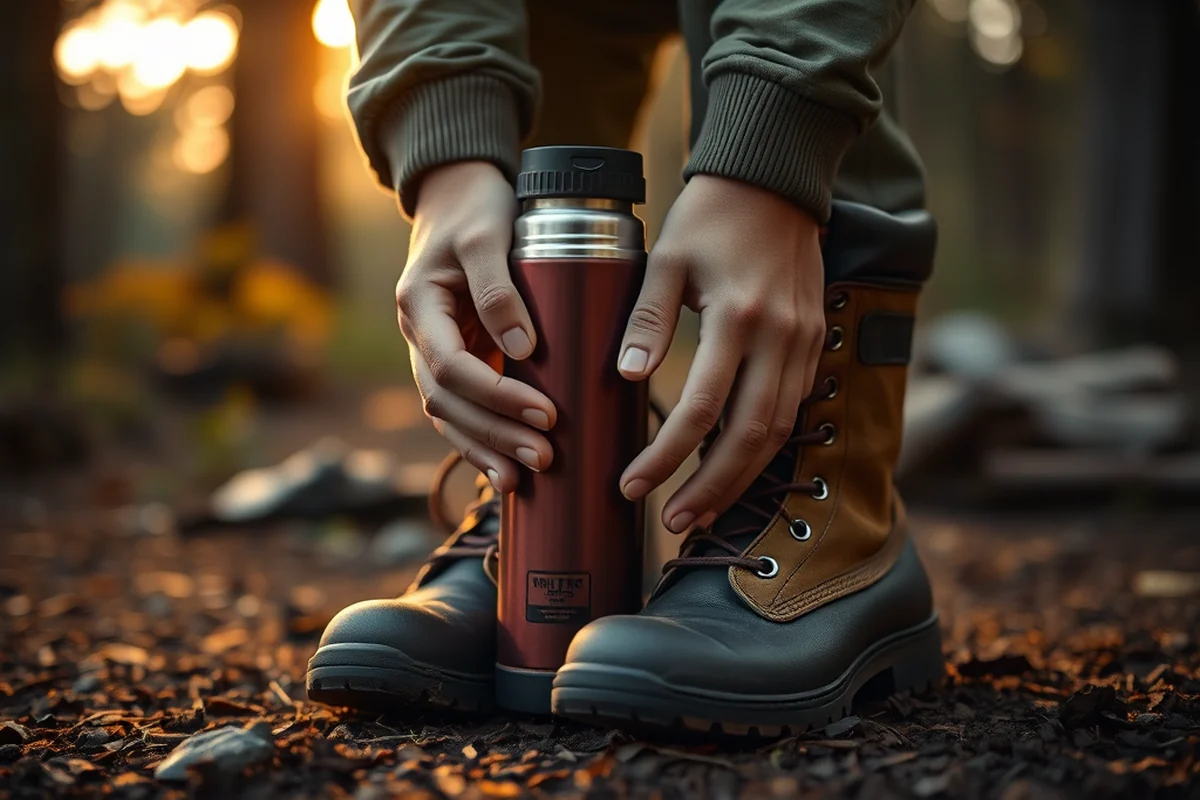
One of the biggest benefits of a forest camp is the deep sense of solitude it provides. With no roads, no cell service, and no distractions, you’re forced to slow down and really be present in the moment. I’ve found that this kind of environment is incredibly restorative — both mentally and physically.
Another benefit is the opportunity to engage with the natural world on a deeper level. Whether you’re hiking nearby trails, watching for wildlife, or simply sitting by a fire pit, you’re constantly reminded of your place in the ecosystem. I once spent an entire afternoon just listening to the wind rustling through the trees and watching a fox dart through the underbrush — it was a moment I’ll never forget.
Lastly, forest camps often emphasize sustainability. Many camps encourage practices like waste-free camping, composting, and using renewable energy sources. This makes them an excellent choice for travelers who want to minimize their environmental impact while still enjoying the beauty of the wilderness.
Forest camps are the perfect place to reset, realign, and reconnect with the world.
Related: Family camping trips seasonal timing guides step by step
What to Expect at a Forest Camp
At a forest camp, you can expect a rustic, no-frills environment that is designed to bring you closer to nature. Most camps have basic amenities — like compost toilets, fire pits, and sometimes even shared kitchens — but the focus is on the experience, not the comfort.
You’ll often find yourself walking on trails, foraging for wild edibles (if allowed), and sleeping in tents. Some camps even offer guided hikes or nature walks, giving you the chance to learn more about the local flora and fauna. I’ve found that these activities are a great way to connect with the land and deepen your appreciation for the wilderness.
What I love most about a forest camp is that it doesn’t try to ‘fix’ the natural world — it simply allows you to be a part of it. There are no fancy lodges or luxury amenities, just a simple, sustainable setup that lets you live in harmony with the environment.
Even in the best of seasons, the weather can be unpredictable in the forest. I always pack layers — from lightweight long sleeves to a warm jacket — and never leave home without a rain poncho or a waterproof sleeping bag cover.
“I still remember the first time I stepped into a forest camp, the crunch of leaves underfoot and the scent of pine mixing with the…”— Campandtots editors
Related: What is a geodesic dome tent
How to Prepare for a Forest Camp Stay

Before heading to a forest camp, it’s important to do your research and understand what kind of setup you’ll be dealing with. Some camps are more rustic than others, and it’s good to know whether you’ll have access to basic amenities like a shared kitchen or compost toilets.[1]
Packing the right gear is also essential. You’ll need a good tent, a sleeping bag, and a sleeping pad — and I recommend bringing a lightweight camp mat for extra comfort. I also always bring a small first-aid kit, a headlamp, and a portable water filter, just in case.[2]
Lastly, it’s a good idea to review the camp’s rules and expectations. Some camps have strict no-fire policies, while others allow campfires only in designated areas. I’ve learned the hard way that not following the rules can lead to a less enjoyable experience — so it’s always better to be prepared.
Related: Easy family camping trips seasonal timing guides
The Best Time to Visit a Forest Camp
Spring is often considered the best time to visit a forest camp — the days are getting longer, the temperatures are mild, and the forest is in full bloom. I remember one particular spring trip where I woke up to a carpet of wildflowers outside my tent and heard the sound of birds chirping all around me. It was a magical experience.
However, if you prefer solitude and don’t mind cooler temperatures, fall can also be a great time to visit. The leaves are changing colors, the air is crisp, and the forest is quiet. I’ve found that this is the perfect time to take long walks or sit by a fire pit and enjoy the peace and quiet.
Of course, if you’re an adventurous type and don’t mind the cold, winter can also be an amazing time to visit. The forest is covered in snow, the silence is almost overwhelming, and the stars are clearer than ever. It’s a different kind of experience, but one that can be incredibly rewarding.
Related: What is a 4 season tent
The Cost of a Forest Camp Stay
One of the biggest advantages of a forest camp is the cost. Most camps are designed to be accessible to a wide range of travelers, and the prices can vary depending on the location and the amenities provided. I’ve stayed in a few different camps, and the average cost for a 4-day stay is around $680 — which includes lodging, meals, and some guided activities.[3]
Keep in mind that the cost of a forest camp stay can also depend on the time of year you visit. Spring and fall tend to be the most expensive, while winter can be cheaper — especially if you’re willing to travel during the off-peak season. I’ve found that booking in advance can also help you save money, as some camps offer early-bird discounts.
Overall, a forest camp is a great value for the money — especially if you’re looking for a unique, immersive experience that doesn’t break the bank. It’s a great option for travelers who want to explore the wilderness without spending a fortune.
A forest camp stay is an investment in peace, connection, and adventure.
Related: What is in a campari spritz
The Impact of a Forest Camp on Mental Health
One of the most surprising benefits of a forest camp is its impact on mental health. I’ve noticed that after just a few days in the woods, I feel more focused, more centered, and more in tune with myself. The natural environment has a calming effect that can’t be replicated in the modern world.
Studies have shown that spending time in nature can reduce stress, lower blood pressure, and even improve mood. I’ve personally felt this effect — after a particularly stressful week at work, I went on a short forest camp trip and came back feeling like a new person. It was as if the forest had reset my mind and given me a fresh start.[4]
Another benefit is the opportunity for self-reflection and personal growth. Without the distractions of daily life, you’re forced to confront your thoughts, your fears, and your goals. I’ve found that this kind of introspection is incredibly valuable — and it’s something I don’t get to experience in the city.
🌲 Budget Forest Camp
A no-frills, cost-effective way to experience the forest with minimal expenses and maximum immersion.
🌅 Long Weekend Forest Camp
A short, immersive getaway that fits into a busy schedule with just a few days of solitude and reflection.
👨👩👧👦 Forest Camp with Kids
A family-friendly option that includes guided activities and safe, kid-friendly accommodations for an educational and fun experience.
❄️ Off-Season Forest Camp
A quieter, more affordable time to visit, with fewer crowds and a chance to explore the forest in a different season.
✨ Luxury Forest Camp
A high-end option with upgraded amenities, private lodges, and personalized experiences for the ultimate nature retreat.
| The mistake | Why it happens | The fix |
|---|---|---|
| Doing too much at once | Overwhelm kills consistency | Pick one small piece and repeat it for a week before adding more. |
| Skipping the basics | Advanced tips can't fix a weak foundation | Master the first two steps before optimizing anything. |
What Is A Forest Camp
Common Questions
Are forest camps safe to visit?
Do I need to bring my own food?
What kind of activities are available at a forest camp?
Can I use my phone at a forest camp?
References
- Oklahoma Forestry Youth Camp – ODAFF (ag.ok.gov)
- Camping & Venues - Delaware Department of Agriculture - State of ... (agriculture.delaware.gov)
- Bell County Forestry Camp - Department of Corrections (corrections.ky.gov)
- Primitive Camping - NYSDEC (dec.ny.gov)
Cite this guide
Campandtots (2026). What Is A Forest Camp. https://campandtots.com/what-is-a-forest-camp/
Feel free to cite or share this guide.