
What Is An Overland Camper

📖 Table of Contents
- What Exactly Is an Overland Camper?
- The Key Features of an Overland Camper
- The Advantages of Traveling in an Overland Camper
- The Cost of an Overland Camper Trip
- The Best Time of Year to Travel in an Overland Camper
- The Best Destinations for Overland Camper Travel
- How to Prepare for an Overland Camper Trip
- Make It Your Way
- Frequently Asked Questions
The first time I stepped into an overland camper, I felt like I’d unlocked a secret door to a world where travel and comfort coexist seamlessly. Unlike traditional campers, which often feel cramped and minimal, overland campers are built for adventure, durability, and full-time living. They are designed for those who want to explore remote trails, sleep under the stars. Wake up in a place where the only things you hear are the wind and the call of the wild.
Overland campers are not just a mode of travel—they’re a lifestyle. They come equipped with everything from fully functional kitchens to solar panels and water tanks, making them ideal for long-term trips where access to amenities is limited. I spent two weeks traveling through Patagonia in one, and it was the most liberating experience of my life. The freedom to stop anywhere, anytime, without worrying about where the next hotel will be, is something that changes how you see the world.
If you’ve ever dreamed of traveling without the constraints of hotels, airports, and rigid schedules, an overland camper might just be the answer. These vehicles are built to handle rough terrain, survive harsh weather, and provide a comfortable home on the move. Whether you're traveling solo or with a family, an overland camper can give you the flexibility, comfort, and adventure you’ve been looking for.
Why You'll Love This Adventure
- Unparalleled freedom to explore remote and off-grid locations.
- A comfortable, self-sustaining home on wheels that handles any terrain.
- The ability to live fully immersed in nature without sacrificing modern comforts.
- A lifestyle that allows you to travel for months or even years without the need for traditional accommodations.
What Exactly Is an Overland Camper?
As of November 2026, Overland campers are essentially mobile homes built on the chassis of a rugged vehicle, like a 4x4 truck or SUV. They are not just for short trips—they’re built for months on the road, often equipped with sleeping quarters, kitchens, bathrooms, and even solar panels. These vehicles are designed to handle rough terrain, extreme weather, and the unpredictable nature of long-term travel.
I’ve traveled through some of the most remote parts of the world in an overland camper, and one of the most impressive things about them is how well they balance comfort with functionality. Inside, you’ll find everything from a fully equipped kitchen to a sleeping area that can accommodate two or more people. It’s like having your own tiny, self-sufficient home on wheels.
Overland campers are not only comfortable but also incredibly versatile. Whether you’re traveling through the deserts of Africa, the forests of Southeast Asia, or the tundra of Alaska, these vehicles are built to handle it all. They are the ultimate tool for those who want to live life on their own terms, far from the hustle and bustle of cities.
If you're planning a long-term trip, look for a model with a larger sleeping area and more storage. For shorter trips, a smaller, more compact overland camper might be ideal.
Part of our Family camping trips guide.
The Key Features of an Overland Camper
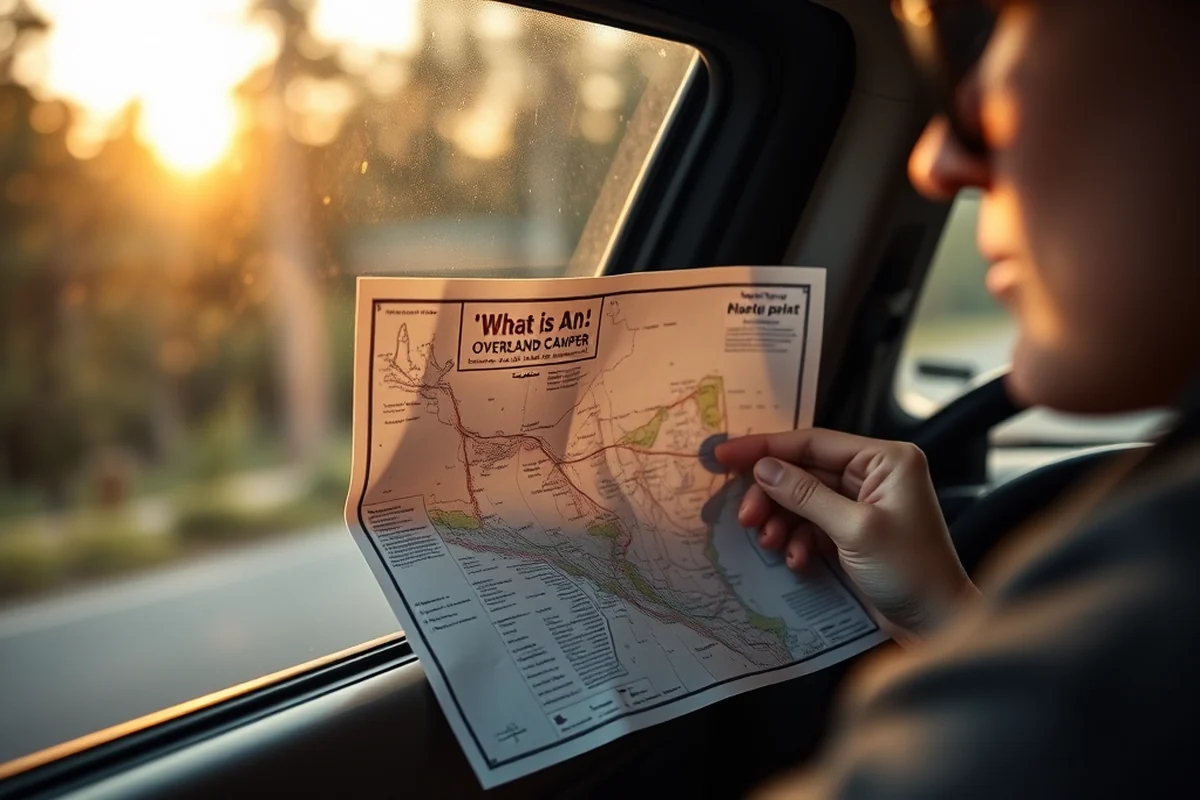
From fully functional kitchens to sleeping quarters, overland campers are designed to provide all the comforts of home while on the road. Many models come with built-in water tanks, solar panels, and even waste systems, making them completely self-sustaining for days at a time. This is especially important when you’re traveling through areas with no access to electricity or clean water.
I’ve found that the best overland campers are those with a good amount of storage space. Whether you’re traveling through the Andes or the Sahara, you’ll need to carry a lot of supplies, and having enough storage is essential. Some models even have built-in cupboards, shelves, and drawers that can be customized to fit your needs.
Another key feature of overland campers is their durability. These vehicles are built to last, with reinforced frames, thick tires, and high ground clearance that allow them to handle even the most challenging terrain. Whether you’re crossing deserts or navigating mountain passes, you can trust your overland camper to get you where you need to go.
An overland camper is a mobile home that never stops moving.
Related: Family camping trips for beginners explained
The Advantages of Traveling in an Overland Camper
One of the biggest advantages of an overland camper is the freedom it gives you. Unlike traditional accommodations, you’re not limited to hotels or hostels—you can stop anywhere, anytime. Whether you want to wake up beside a lake or sleep under the stars in a remote desert, an overland camper makes it possible.
Comfort is another major benefit. While traditional camping can be uncomfortable, overland campers provide a level of comfort that’s hard to find anywhere else. With proper sleeping arrangements, full kitchens, and even bathrooms, you can enjoy a level of comfort that rivals any hotel or resort.
Another advantage is the flexibility it offers. You can choose when and where you want to go, and you can stay as long as you want in any location. This is especially useful if you're traveling with a family or if you want to spend more time in a particular place.
If you’re traveling through rough terrain, choose a route that matches the capabilities of your overland camper. Not all roads are created equal, and some may be too challenging for even the most rugged vehicles.
“The first time I stepped into an overland camper, I felt like I’d unlocked a secret door to a world where travel and comfort coexist…”— Campandtots editors
Related: Natural family camping trips for beginners
The Cost of an Overland Camper Trip
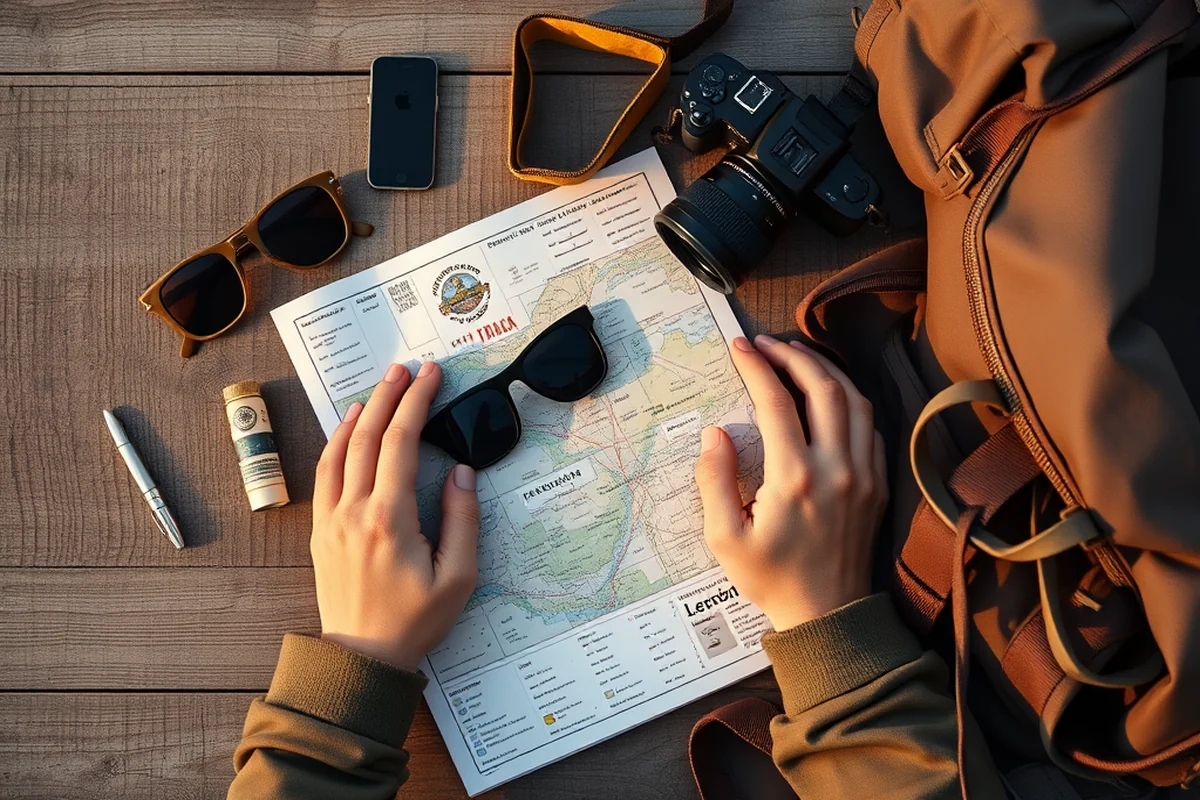
A typical overland camper trip can cost anywhere from $500 to $1,500 per person, depending on the duration and location. For a four-day trip with a group of two, I’ve found that a budget of around $680 is realistic, covering fuel, food, and lodging.[1]
Fuel is one of the biggest expenses on an overland camper trip. Depending on the distance you’re traveling, fuel costs can range from $100 to $300 per day. It’s important to plan your route carefully and consider the cost of fuel before you leave.[2]
Other costs include food, which can range from $50 to $100 per day per person, and any additional expenses like permits or camping fees. These costs can vary depending on the country you’re traveling in and the regulations in place.[3]
Related: Family camping trips tips mistakes
The Best Time of Year to Travel in an Overland Camper
Spring is generally considered the best time to travel in an overland camper, as the weather is mild and the landscapes are at their most beautiful. This is especially true in places like Patagonia, where the spring season brings blooming wildflowers and clear skies.
In some regions, like the Sahara Desert, the best time to travel is during the cooler months of the year, when temperatures are more manageable and the sand is less prone to shifting. However, in other places, like the Amazon Rainforest, the best time to travel is during the dry season.
It’s important to research the best time of year to travel in the region you’re interested in. Weather, road conditions, and local regulations can all affect the success of your trip.[4]
Related: Camping trips for families
The Best Destinations for Overland Camper Travel
Some of the best destinations for overland camper travel include Patagonia, the Sahara Desert, the Andes Mountains, and the Australian Outback. These locations offer a unique combination of natural beauty, adventure, and remote access that is perfect for overland camper travel.
In Patagonia, for example, you can travel through some of the most breathtaking landscapes on the planet, from the Torres del Paine National Park to the rugged Andean peaks. With an overland camper, you can explore these areas without the need for hotels or other accommodations.
Other popular destinations for overland camper travel include the Namib Desert in Africa, the Himalayas in Asia, and the Arctic Circle in Scandinavia. Each of these locations offers a different kind of adventure, from desert exploration to high-altitude hiking.
The world is full of places that can only be fully appreciated from within an overland camper.
Related: Best campgrounds for family camping
How to Prepare for an Overland Camper Trip
Before embarking on an overland camper trip, it’s important to research your destination and plan your route carefully. This includes considering the terrain, the availability of fuel and supplies, and the local regulations.
You should also prepare your overland camper for the journey. This includes checking the tires, the engine, and the electrical systems to ensure everything is in good working order. It’s also a good idea to carry spare parts and tools in case of emergencies.
Finally, you should pack appropriately for the trip, bringing enough food, water, and supplies to last the entire journey. It’s also a good idea to carry a first aid kit and any other emergency supplies you may need.
💰 Budget Overland Camper
A cost-effective option for first-time travelers who want to experience overland camping without breaking the bank.
🏕️ Long Weekend Adventure
Perfect for a short escape into the wilderness, this variation offers a quick but fulfilling overland camping experience.
👨👩👧👦 Family-Friendly Overland Camper
Designed with kids in mind, this option includes extra space, safety features, and entertainment for the whole family.
🍂 Off-Season Traveler
Ideal for those who want to explore during the off-season, when prices are lower and the crowds are fewer.
🛏️ Luxury Overland Camper
A high-end option for those who want to enjoy the best of overland camping with added comfort and convenience.
| The mistake | Why it happens | The fix |
|---|---|---|
| Not researching the terrain before the trip. | It’s important to know the terrain you’ll be traveling on, as some roads may be too rough for even the most rugged overland campers. | |
| Not packing enough supplies. | If you don’t pack enough food, water, and supplies, you may find yourself stranded in a remote area with no access to stores or services. | |
| Not checking the condition of the overland camper. | If the overland camper is not in good working condition, it may break down in a remote area, leaving you stranded and vulnerable. | |
| Not planning for the weather. | Weather can change quickly in remote areas, and it’s important to be prepared for any conditions you may encounter. | |
| Not telling anyone where you’re going. | If something goes wrong, it’s important to have someone who knows where you’re going and can help you if needed. |
What Is An Overland Camper
Common Questions
Can I travel with a group in an overland camper?
How long can I stay in an overland camper?
Are overland campers safe to travel in remote areas?
What kind of fuel do overland campers use?
References
- Inside the Cold War - A Cold Warrior's Reflections - Air University (airuniversity.af.edu)
- After 600 issues of Brief, Adam Overland is passing the torch (brief.umn.edu)
- Chapter 4 - Climate Change in Colorado Report (climatechange.colostate.edu)
- mesozoic through early tertiary sedimentational and tectonic ... (data.azgs.arizona.edu)
Cite this guide
Campandtots (2026). What Is An Overland Camper. https://campandtots.com/what-is-an-overland-camper/
Feel free to cite or share this guide.