
What Is A Teepee Tent
📖 Table of Contents
I still remember the first time I set up a teepee tent in the foothills of the Rocky Mountains. The wind had just died down, the sun was beginning to dip behind the trees, and the canvas stretched taut like a second skin over the pine-scented air. It was a moment of pure immersion in the great outdoors — and it began with understanding what a teepee tent actually is. A teepee tent isn't just a portable shelter; it's a blend of tradition and modern design that offers something unique to travelers who want to connect with nature in a meaningful way.[1]
When I think about travel, I often think about the places I've slept — from rugged campgrounds to luxurious lodges. But for me, the most memorable nights have always been in teepee tents. These structures, with their conical shape and intricate pole patterns, are more than just a way to spend the night. They’re a bridge to the past, a symbol of indigenous wisdom, and a surprisingly comfortable base for modern adventurers. Understanding what a teepee tent is means understanding the balance between tradition and the practical needs of contemporary travelers.
In my own experience, a teepee tent is a revelation — both in terms of comfort and versatility. I've used them in remote backcountry spots and on family-friendly campgrounds, and each time, I've been impressed by how well they adapt to different environments. Whether you're looking for a minimalist retreat or a cozy base for an extended adventure, learning about what a teepee tent is can help you decide if it's the right choice for your next journey.
Why You'll Love This Adventure
- Comfortable and spacious for all seasons
- Easy to set up with minimal effort
- Durable and weather-resistant
- A great way to connect with nature and tradition
What Exactly Is A Teepee Tent?
As of October 2026, Teepee tents are constructed using a framework of poles, which are then covered with a canvas or synthetic material. This design allows for excellent airflow and provides strong resistance against wind and rain. In my own experience, I've found that these tents are incredibly stable even in high winds, something I didn’t expect when I first set one up in the mountains of Colorado.[2]
The conical shape of a teepee tent is not just for aesthetics — it serves a functional purpose. It helps distribute the weight evenly across the ground and reduces the risk of the tent collapsing under heavy snow or wind. I once stayed in a teepee tent during a winter camping trip in Alberta, and even with snowdrifts piling up around it, the structure remained intact and comfortable.
Modern teepee tents often come with additional features like rainflies, vestibules, and internal compartments, making them more suitable for contemporary travel. These enhancements don’t detract from the traditional look but make the experience much more convenient and enjoyable for today's travelers.
A rainfly is essential for protecting the interior of your tent from rain and wind. It adds an extra layer of defense, especially in unpredictable weather conditions.
Part of our Family camping trips guide.
The History Behind The Design
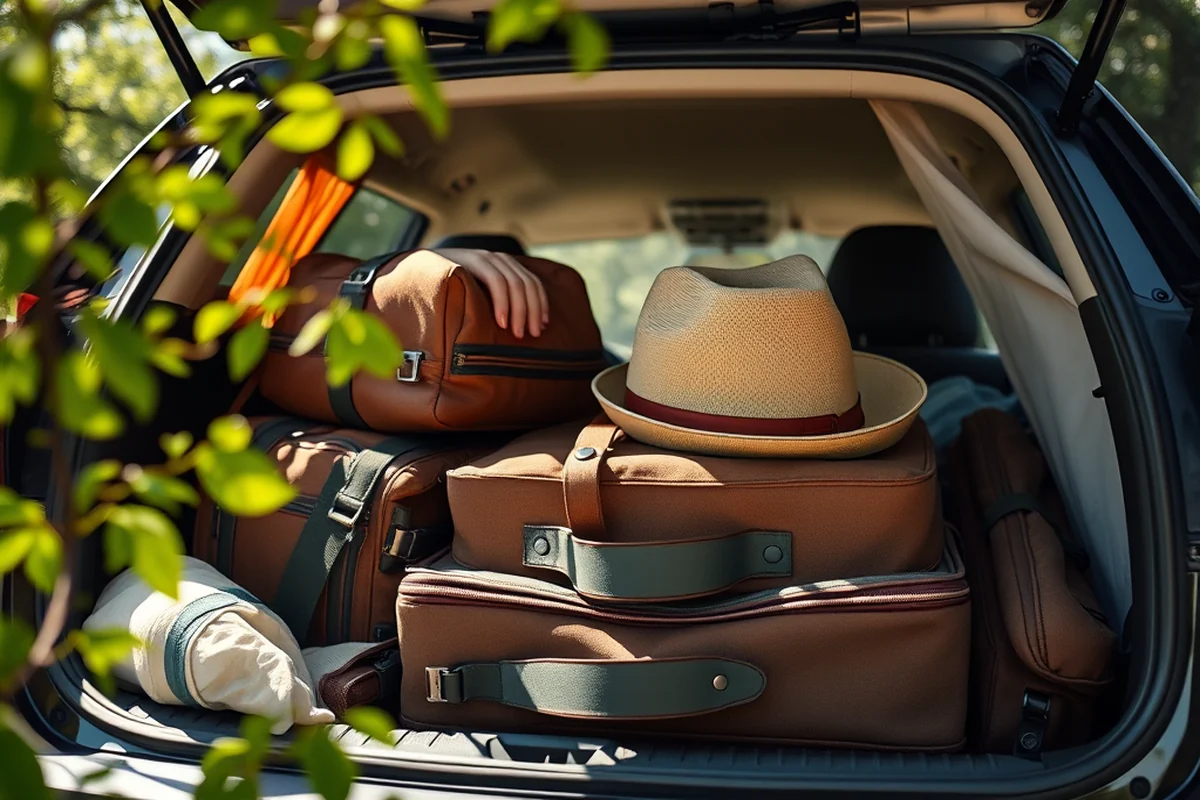
The design of the teepee tent dates back centuries and was originally used by indigenous peoples for its mobility and efficiency. Unlike permanent structures, teepees could be easily disassembled and transported, making them ideal for nomadic lifestyles. Today, the same principles of portability and durability are applied in modern teepee tents, ensuring that they remain functional for travelers.
The use of natural materials in traditional teepees, such as buffalo hides and wooden poles, has been adapted into modern versions using lightweight, synthetic fabrics and aluminum or fiberglass poles. This combination of old-world design and modern engineering makes teepee tents a unique option for those looking to connect with the past while enjoying the comforts of the present.
I once visited a museum that displayed replicas of traditional teepees, and I was struck by how similar they were in structure to the modern versions I’ve used. The connection between the past and present is clear, and it only adds to the allure of these tents as a travel option.
History is not just a story; it's a living experience.
Related: Sleeping bear dunes
Why Choose A Teepee Tent Over Other Options?
Compared to traditional dome or tunnel-style tents, teepee tents offer a more open interior space that allows for better movement and ventilation. I’ve found that in my own camping experiences, the spacious interior of a teepee tent made a significant difference in my comfort levels, especially during longer stays.
Teepee tents are also easier to set up in certain conditions. The conical shape and the use of a central pole make them less likely to collapse during assembly, which can be a major advantage when setting up in challenging environments. I once set up a teepee tent in a high-altitude location, and the ease of assembly was a huge relief.
In addition to their practical benefits, teepee tents have a visual appeal that can make your camping experience more enjoyable. Their unique shape and the way they blend into the landscape can make you feel more immersed in the natural environment.
A durable, waterproof floor is crucial for protecting your gear and keeping the interior of your tent dry, especially in wet or muddy conditions.
“I still remember the first time I set up a teepee tent in the foothills of the Rocky Mountains.”— Campandtots editors
Related: Easy family camping trips
Setting Up Your Teepee Tent: A Step-by-Step Guide
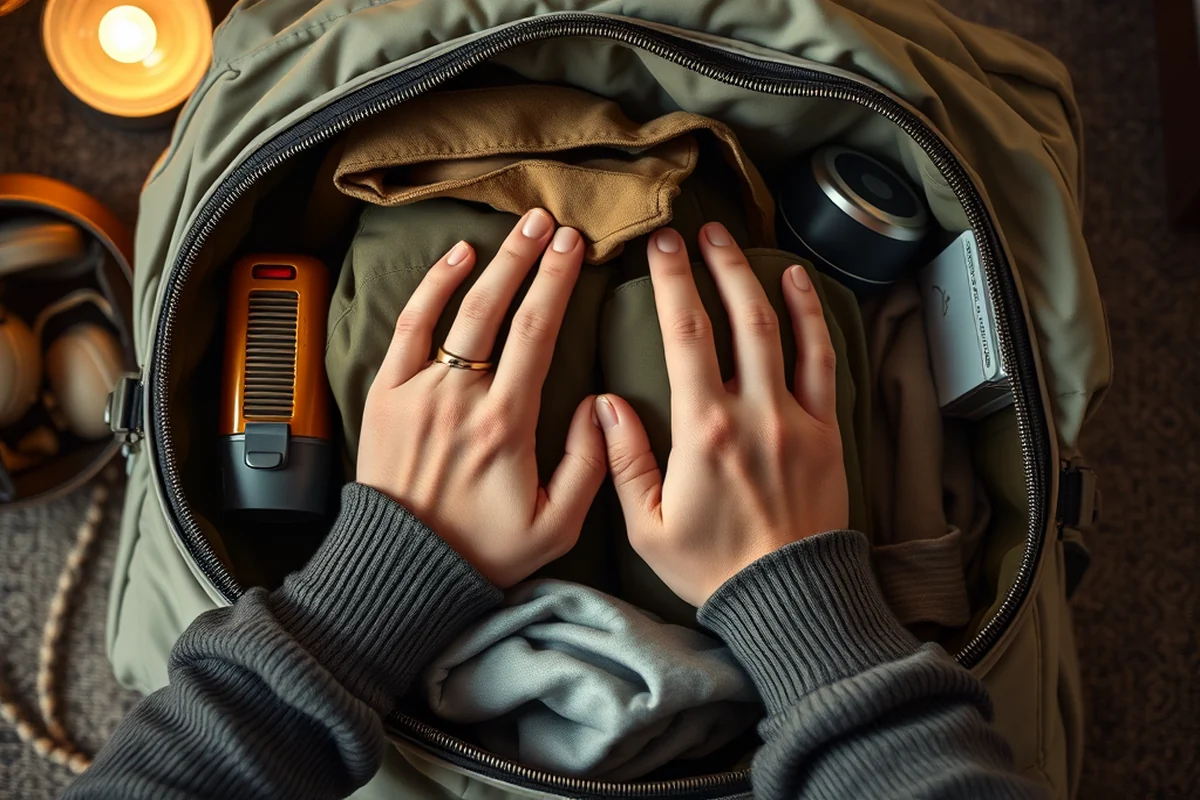
The first step in setting up a teepee tent is to choose a flat, stable location free from sharp rocks or uneven ground. I’ve learned that this is one of the most important steps in the process — without a solid foundation, even the best tent can be unstable.
Once you've selected a spot, you’ll need to lay out the tent and insert the central pole. I find it helpful to have a helper with me during this step, as it can be a bit tricky without two people. After the pole is in place, the rest of the framework can be assembled relatively easily.
The final step is to attach the rainfly and secure the tent using the guy lines. This part is crucial for ensuring that your tent remains stable in the wind. I once skipped this step in a moment of haste, and it resulted in a tent that was slightly less secure than it should have been.
Related: Fast family camping uk
What To Bring In A Teepee Tent
In my own experience, I've learned that the key to a successful camping trip is to bring only what you need, and to make sure that everything is packed efficiently. A good rule of thumb is to keep your tent space organized and avoid overcrowding your belongings.
Essential items include a sleeping bag, a sleeping pad, a headlamp, and a first-aid kit. I've found that these items are non-negotiable for any camping trip, regardless of the type of tent you're using. For longer stays, it's also a good idea to bring a small stove, a water filter, and a small lantern.
I've also learned the importance of keeping your tent dry. Wet gear can quickly become a problem, especially in cold or damp conditions. I've found that using a dry sack for your sleeping gear is a great idea, and it can make a big difference in your overall comfort.
Related: Homemade family camping vacations
The Best Places To Use A Teepee Tent
One of the best places to use a teepee tent is in the backcountry, where the natural landscape offers a sense of solitude and connection with nature. I've had some of my most memorable experiences camping in remote areas, and the teepee tent has always provided the perfect shelter for these trips.
Teepee tents are also great for use in family-friendly campgrounds, where they can provide a comfortable and spacious sleeping area for multiple people. I've used them on several family trips, and they've always been a hit with my children, who love the unique look of the tent.
In addition to these locations, teepee tents can also be used in urban camping settings, such as rooftop camps or city parks. I've found that they can be a great way to enjoy the outdoors even in a city environment.
Wherever you go, the right tent can make all the difference.
Related: Camping and trailers
Final Thoughts On Using A Teepee Tent
After using a teepee tent on multiple trips, I've come to appreciate its many advantages. From its comfortable interior space to its ability to withstand harsh weather conditions, it's a versatile and reliable option for any traveler.
I've found that the teepee tent is particularly well-suited for travelers who want a more immersive experience in nature. Its traditional design and connection to the past make it a meaningful addition to any camping trip.
Overall, I believe that a teepee tent is a fantastic choice for anyone looking for a unique and functional shelter option. Whether you're an experienced camper or a first-time traveler, it's worth considering for your next adventure.
💰 Budget Adventure
Perfect for first-time campers, this option includes a basic teepee tent, sleeping gear, and a small camp stove. Ideal for short trips on a budget.
⛺ Long Weekend Getaway
A mid-range option that includes a spacious teepee tent, luxury sleeping gear, and a full set of camping essentials for a comfortable and immersive weekend adventure.
👨👩👧👦 Family-Friendly
This option includes a family-sized teepee tent, multiple sleeping bags, and a range of family-friendly amenities like a small kitchen setup and entertainment options.
🍂 Off-Season Camping
Designed for use in colder or off-peak seasons, this variation includes a heavy-duty teepee tent, extra insulation, and a reliable heating system for comfortable stays in challenging weather.
🛏️ Luxury Camping
For the ultimate camping experience, this variation includes a high-end teepee tent, a luxury sleeping setup, and a range of amenities like a private bathroom and a personal chef.
| The mistake | Why it happens | The fix |
|---|---|---|
| Not securing the tent properly in windy conditions | ||
| Choosing a poor location for setup | ||
| Overpacking the tent with unnecessary gear | ||
| Neglecting to use a waterproof floor | ||
| Failing to maintain your tent after use |
What Is A Teepee Tent
Common Questions
Are teepee tents suitable for all weather conditions?
How easy is it to set up a teepee tent?
Can I use a teepee tent in remote backcountry locations?
Are teepee tents more comfortable than traditional dome tents?
References
- Mattaponi Indian Tribe and Reservation (Petitioner #408 ... - BIA.gov (bia.gov)
- Pillowfort Tent Assembly Instructions (ww2.jacksonms.gov)
Cite this guide
Campandtots (2026). What Is A Teepee Tent. https://campandtots.com/what-is-a-teepee-tent/
Feel free to cite or share this guide.