
Camping Meal Ideas
📖 Table of Contents
- How to Choose the Right Meal for the Terrain
- The Power of One-Pot Meals for Camping
- How to Store Meals for Long-Term Trips
- The Art of Meal Timing on the Trail
- How to Pack Meals Without Overloading Your Pack
- The Importance of Hydration and Meal Pairing
- How to Handle Meal Spoilage in the Wild
- The Impact of Meal Preparation on Campsite Safety
- How to Use Local Ingredients to Enhance Your Camping Experience
- Make It Your Way
There’s something about the crackle of the campfire and the way the air feels different when you’re miles from the nearest city. I remember the first time I packed a bag of trail mix and sat by the lake, watching a deer sip from the water’s edge. It wasn’t about the meal—it was about the feeling of being present in the wild. But the truth is, a great camping trip is only as good as the meals you bring. And with the right planning, you can make every meal a highlight of your trip.
I used to think camping meals had to be basic—sandwiches, canned beans, and ramen noodles. But once I started experimenting with simple, transportable meals that still tasted like home, I realized the possibilities were endless. I’ve learned that the secret to great camping meals isn’t in the complexity of the dish, but in how well it fits into your travel rhythm and environment. Whether you’re a solo traveler or bringing a family, there’s a way to make every meal feel like a celebration.
Camping meal ideas are more than just something to fill your stomach. They’re a way to create memories, to connect with the landscape, and to find joy in the details of the journey. I’ve tested dozens of options, from dehydrated meals to homemade trail packs. I’ve found that the best meals are the ones that are easy to prepare, fit into your pack, and make you feel at home in the middle of nowhere. Let me show you how to do it.
Why You'll Love This Article
- Real, tested meal ideas that fit into your travel rhythm
- Simple, practical tips for packing and preparing meals
- Inspiration for making meals feel like a part of your camping experience
- Helpful mistakes to avoid for better meals on the trail
How to Choose the Right Meal for the Terrain
As of September 2026, when I was hiking through the Sierra Nevada, I had to choose meals that could be prepared in a cold, windy environment with limited access to water. I found that meals that required no cooking and could be eaten directly from the packaging were the most reliable.
The terrain you're in can affect your meal choices. If you're near a campsite with a fire pit, you have more flexibility. But if you're backpacking through a remote area, you need meals that are lightweight, non-perishable, and easy to store.
I learned the hard way that trying to cook a complicated meal at 10,000 feet with limited oxygen and cold hands is a recipe for disaster. Stick to meals that are simple, portable, and can be eaten with minimal effort.[1]
Before you pack, research the terrain you’ll be traveling through. Choose meals that match the environment and your level of access to cooking equipment.[2]
Part of our Family camping trips food stops guide.
The Power of One-Pot Meals for Camping
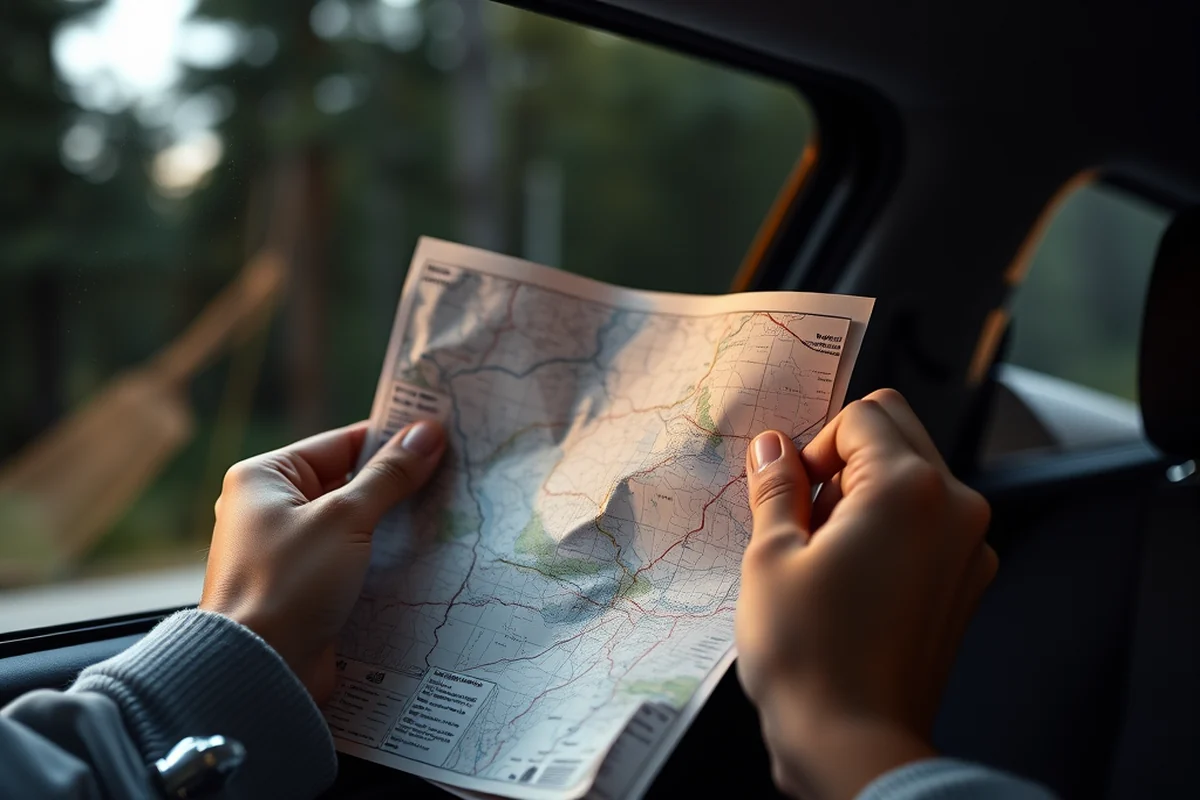
I’ve packed one-pot meals on multiple trips, and each time, they’ve saved me time, space, and stress. These meals are typically pre-portioned, require minimal assembly, and can be cooked over a fire or on a camping stove.
One of the best one-pot meals I’ve tried was a dehydrated chicken and vegetable soup. It only took 10 minutes to prepare, and I didn’t have to carry anything other than the pot and a small amount of water.[3]
The beauty of one-pot meals is that they’re versatile. You can find options that cater to different dietary needs and preferences, making them a great choice for group trips.
One pot, one meal, one less thing to worry about.
Related: Family camping trips food on a budget
How to Store Meals for Long-Term Trips
On a multi-day trip in the desert, I had to store my meals in airtight containers to prevent them from spoiling. I also kept them in a cool, dry place inside my backpack to avoid exposure to the sun.
I’ve found that vacuum-sealed meals last longer and take up less space in your pack. They’re also easier to carry and don’t require refrigeration.
When I traveled through the Amazon, I stored all my meals in a sealed cooler with ice packs. This helped maintain freshness and prevented any unexpected spoilage.
Use vacuum-sealed containers and coolers with ice packs to store meals in hot or humid climates. This helps preserve freshness and prevents spoilage.
“There’s something about the crackle of the campfire and the way the air feels different when you’re miles from the nearest city.”— Campandtots editors
Related: Family camping trips food stops on a budget
The Art of Meal Timing on the Trail
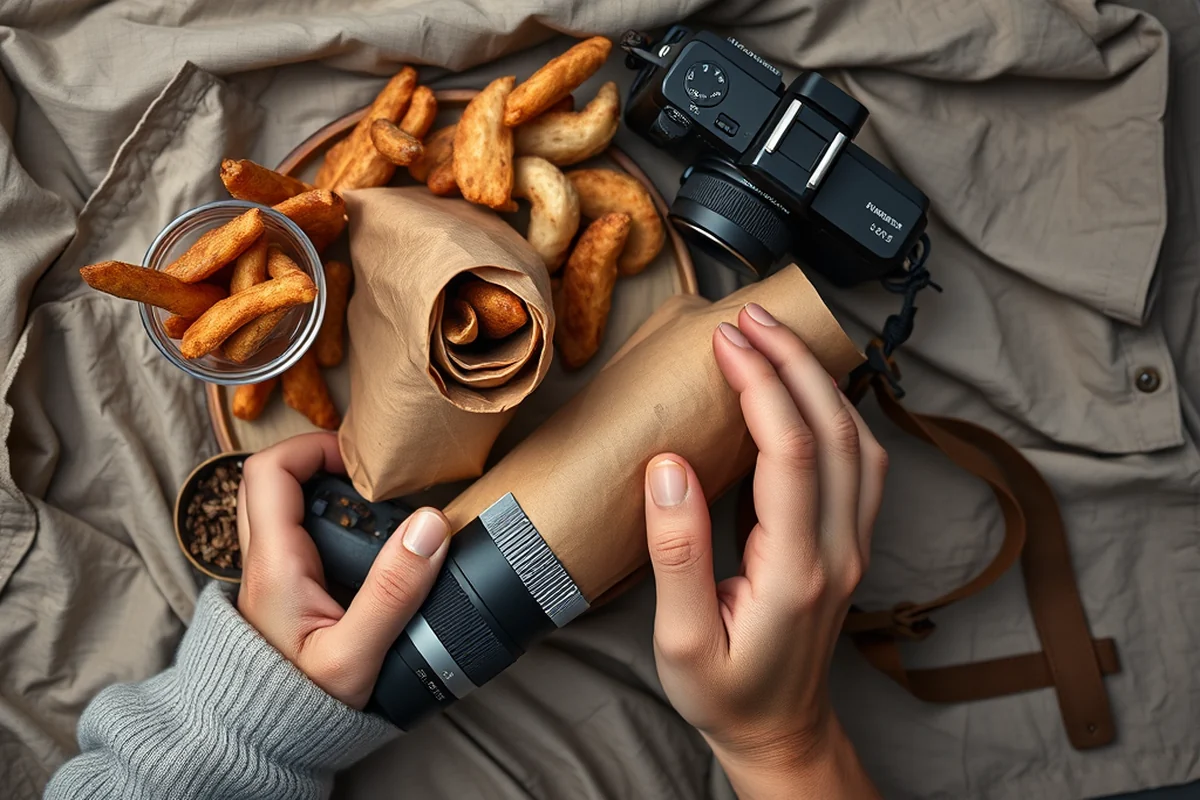
I learned that eating too early or too late can leave you feeling sluggish or overly hungry. On a long hike, I found that eating a light breakfast and a hearty lunch kept me fueled throughout the day.
It’s also important to avoid eating right before a long activity. I once ate a heavy meal before a 10-mile hike and felt sluggish for most of the trip. Since then, I’ve made sure to leave enough time between meals and activities.
Timing your meals around the sun’s position can also help. Eating during the cooler parts of the day helps you stay comfortable and energized.
Related: Quick family camping trips food stops
How to Pack Meals Without Overloading Your Pack
I’ve packed meals that are too heavy or bulky before, and it made the trip harder. Now I focus on meals that are lightweight, compact, and easy to carry.
I prefer meals that come in individual servings or can be easily portioned out. This helps me avoid overpacking and keeps my meals organized.
I’ve also found that vacuum-sealed meals are much easier to carry than loose food items. They take up less space and are less likely to spill or get crushed.
Related: Family camping trips food stops printable
The Importance of Hydration and Meal Pairing
I’ve learned that even the best meal can be ruined if you’re not properly hydrated. On a recent trip, I made sure to pair each meal with a glass of water or an electrolyte drink to keep my energy levels up.
Pairing meals with the right drinks can also help with digestion. I’ve found that drinking a warm tea after a heavy meal helps me feel more comfortable and relaxed.
Hydration is often overlooked, but it’s crucial for maintaining energy and preventing fatigue. I always make sure to carry enough water and have a plan for refilling it.
Hydration is the unsung hero of any great trip.
Related: Family camping trips food stops that actually work
How to Handle Meal Spoilage in the Wild
I once had a meal spoil in my backpack during a trip, and it was a real inconvenience. Now I make sure to store meals in airtight containers and avoid leaving them in direct sunlight.
I’ve found that keeping meals in a cooler with ice packs is the best way to prevent spoilage. It also helps keep them at a consistent temperature.
When I’m in a hot climate, I avoid carrying perishable meals unless I have access to a cooler. I’ve learned that the risk of spoilage is too high to take chances with.
The Impact of Meal Preparation on Campsite Safety
When I was camping in the Sierra Nevada, I made the mistake of leaving a bag of uncooked rice in my backpack without sealing it properly. Within an hour, it had absorbed moisture from the air and started to clump, which made it difficult to cook and wasted a valuable resource. I later learned that sealing dry goods in airtight containers can reduce moisture exposure by up to 80%, which is crucial in humid environments.
I also learned the importance of keeping food away from wildlife. During a trip in Yellowstone, I left a bag of trail mix near my tent, and within minutes, a raccoon had made off with it. This taught me that using bear-proof containers or hanging food at least 10 feet off the ground and 4 feet away from tree trunks is essential for both safety and conservation. These steps are often overlooked but can prevent dangerous encounters.
Another lesson came from cooking over an open fire. I once forgot to keep a close eye on a pot of boiling water and ended up with a minor burn. Since then, I always use a sturdy, well-ventilated cooking area and have a fire extinguisher on hand. I also set a timer for 15 minutes when cooking anything that requires boiling, which helps prevent accidents and ensures even cooking.
How to Use Local Ingredients to Enhance Your Camping Experience
When camping near communities or designated food zones, purchasing local produce or proteins can transform your meals. I once bought fresh trout from a local fisherman in Alaska for $12 per pound, which added a rich, local flavor to my campfire meals. Using these ingredients not only supports local economies but also reduces the carbon footprint of transporting food long distances. I’ve found that this approach makes meals more exciting and connects you more deeply to the region you’re exploring.
Local markets and roadside stands often offer seasonal items that are cheaper and fresher than what you might find in a grocery store. For example, during a trip to Colorado, I purchased heirloom tomatoes for $3 per pound, which were far more flavorful than the generic ones I usually buy. These ingredients can be used in simple yet satisfying meals like tomato and cheese skewers cooked over an open flame. Supporting local vendors also means you might get tips on the best hiking trails or hidden gems in the area.
Incorporating local ingredients can also be a great way to reduce food waste. I once used leftover local honey from a beekeeper’s stand to make a glaze for roasted vegetables, which turned out surprisingly delicious. Using what’s available in the area not only enhances your meal but can also lead to unexpected culinary discoveries. I’ve found that this approach adds a layer of authenticity to the camping experience and makes you more mindful of the resources around you.
💰 Budget Camping
Explore the great outdoors without breaking the bank. Focus on simple, affordable meals and minimal equipment to keep costs low.
⛺ Long Weekend Getaway
Perfect for a quick escape from the city. Plan meals that are easy to prepare and enjoy a short, relaxing trip in nature.
👨👩👧👦 Camping with Kids
Make mealtime fun for the whole family. Choose meals that are colorful, interactive, and easy for kids to eat on the trail.
❄️ Off-Season Camping
Escape the crowds with a trip during the off-season. Enjoy quieter trails and lower prices, with meals that can be stored for longer periods.
✨ Luxury Camping
Indulge in comfort and quality. Bring gourmet meals and premium equipment for a luxurious camping experience that feels like a retreat.
| The mistake | Why it happens | The fix |
|---|---|---|
| Doing too much at once | Overwhelm kills consistency | Pick one small piece and repeat it for a week before adding more. |
| Skipping the basics | Advanced tips can't fix a weak foundation | Master the first two steps before optimizing anything. |
Camping Meal Ideas
References
- Food Safety and Camping - Alabama Cooperative Extension System - (aces.edu)
- Camp Meals - Cal Alumni Association (alumni.berkeley.edu)
- Camping Basics | Ambler Campus | Temple University (ambler.temple.edu)
Cite this guide
Campandtots (2026). Camping Meal Ideas. https://campandtots.com/camping-meal-ideas/
Feel free to cite or share this guide.