
Camping With A Tent
📖 Table of Contents
The first time I pitched my tent in the Sierra Nevada, I was 16 and completely unprepared. The wind howled through the pine trees, and my nylon structure wobbled like a leaf in a storm. I spent the night huddled under a sleeping bag, my ears ringing from the noise of the elements. But the next morning, as the sun filtered through the trees and the scent of pine filled the air, I knew I was hooked. That was my first real lesson in camping with a tent — it's not just about survival, it's about connection to the land and the self.[1]
Since then, I've spent countless nights under the stars, learning the nuances of tent placement, gear selection, and the rhythm of the wilderness. Camping with a tent is more than a pastime; it's a gateway to a simpler, more immersive way of living. It's where I've learned to read the sky, listen to the silence, and understand the value of time spent away from the hum of the modern world. The key is preparation, and that's what this article is about — helping you avoid my early mistakes and embrace the quiet magic of tent camping.
If you're new to this, or even if you're a seasoned camper looking for a refresher, this guide is for you. I'll walk you through everything from choosing the right tent to the best spots for your first campout. I'll share tips I've learned the hard way, like how to avoid condensation in your tent, and why it's crucial to check your tent's poles before heading out. By the end of this piece, you'll be confident enough to set up your own shelter in the middle of nowhere — with a smile, not a panic.
Why You'll Love This Adventure
- Immerse yourself in nature without the need for a full-scale outdoor retreat.
- Save money compared to traditional travel accommodations, with an average trip cost of $680 for four days.
- Gain independence and self-reliance, learning the basics of survival in the wild.
- Experience a sense of peace and connection that's hard to find in everyday life.
Choosing the Right Tent for Your Needs
As of September 2026, I learned this the hard way when I tried to use a two-person tent for a family of four. The result was chaos, cramped space, and a lack of privacy. The right tent should be spacious, durable, and suited to the conditions you'll face. For a spring trip, a three-season tent is ideal — it can handle rain, wind, and moderate temperatures.
I now prioritize tents with high-quality waterproofing and good ventilation. A tent that's too tight can lead to condensation and discomfort, especially in colder months. A tent with a rainfly and a good floor material can make or break your experience. I always check the weight and portability of the tent before buying, especially if I'll be hiking to the campsite.
I also consider the number of vestibules and the ease of setup. A tent with two vestibules is great for storing gear and keeping it dry. I've found that a tent that's easy to set up — one that doesn't require an hour of fumbling with poles — is worth every extra dollar. After all, you want to spend your time enjoying the outdoors, not wrestling with your gear.
Look for a tent with a waterproof rating of at least 1,500mm and a floor made of 210D polyester. Avoid cheap tents with flimsy poles and thin fabric — they won't last through a storm.
Part of our Family camping trips guide.
Picking the Perfect Campsite
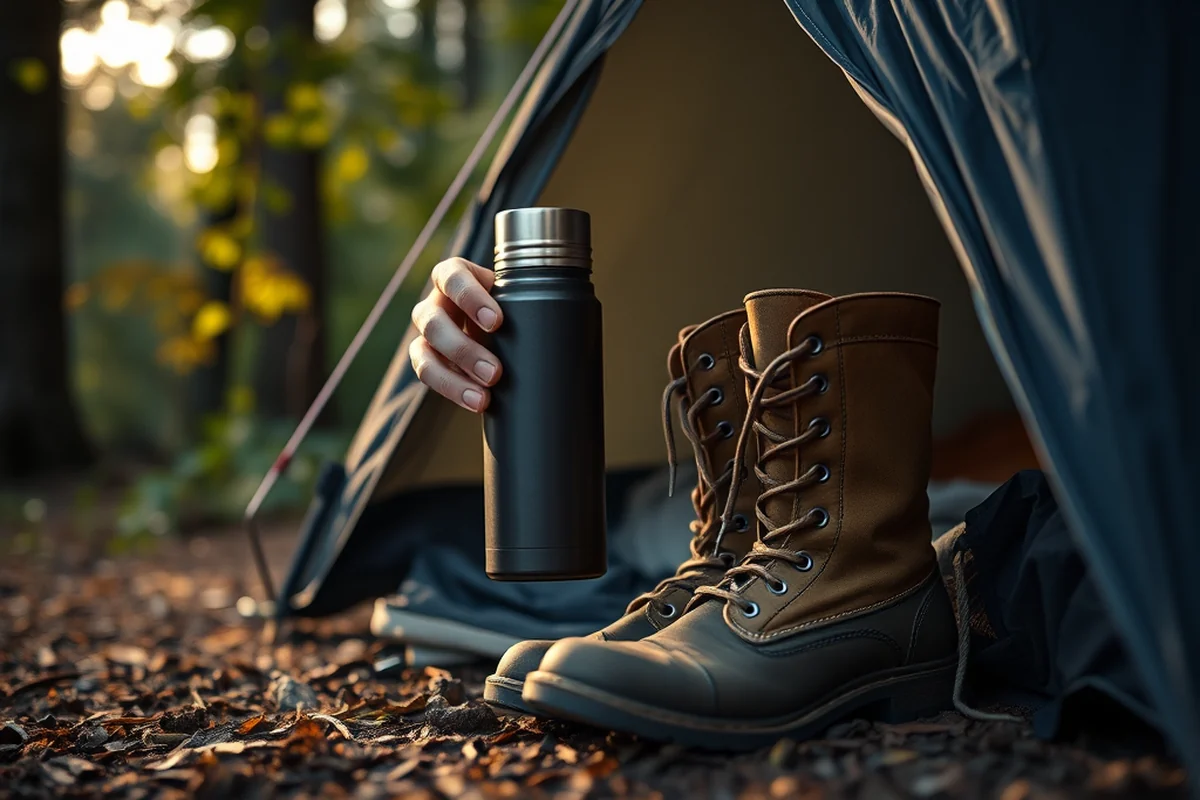
I once pitched my tent right next to a stream, only to find out that the water table was high enough to flood my campsite overnight. It was a lesson in site selection. The best campsites are flat, dry, and well-drained. Avoid low-lying areas that can collect water, especially during the rainy season.
I also look for sites that are at least 200 feet away from any water sources to protect the environment and avoid attracting wildlife. I've learned that camping too close to a river or lake can bring in bears, raccoons, and other animals looking for food. I've seen firsthand what happens when campers leave food out — it's a mess and a danger.
Another tip is to avoid areas with heavy tree cover, especially where the branches are low. I once woke up to find my tent half-destroyed by a falling branch. A site with open space and a clear view of the sky is ideal — it makes for better stargazing, too.
A tent is only as safe as the ground it's pitched on.
Related: Beginner family camping trips
Setting Up Your Tent Like a Pro
I used to set up my tent in a hurry, only to find that it leaked or collapsed in the wind. The secret to a good setup is patience and attention to detail. Start by laying out the tent on a flat, dry surface and staking the corners firmly. I use a combination of tent stakes and guy lines to secure my tent against strong winds.
I always make sure to leave enough space between the tent and the trees — about 10 feet is a good rule of thumb. That way, the wind can pass through without tearing the tent apart. I've learned that securing the rainfly properly is crucial, especially in rainy weather. A poorly tied rainfly can let in water and cause a complete disaster.[2]
One of the most important parts of setting up a tent is ensuring the floor is level. I use a piece of string and a level to check the ground before pitching my tent. A tilted tent can lead to condensation problems and discomfort. After a few attempts, I've found that taking the time to set up my tent correctly is worth the extra effort — it's the difference between a good night's sleep and a miserable one.
Use a level and a piece of string to check the ground before pitching your tent. A flat, level surface prevents condensation and ensures a more comfortable sleep.
“The first time I pitched my tent in the Sierra Nevada, I was 16 and completely unprepared.”— Campandtots editors
Related: Quick family camping trips for beginners
Staying Comfortable in Your Tent
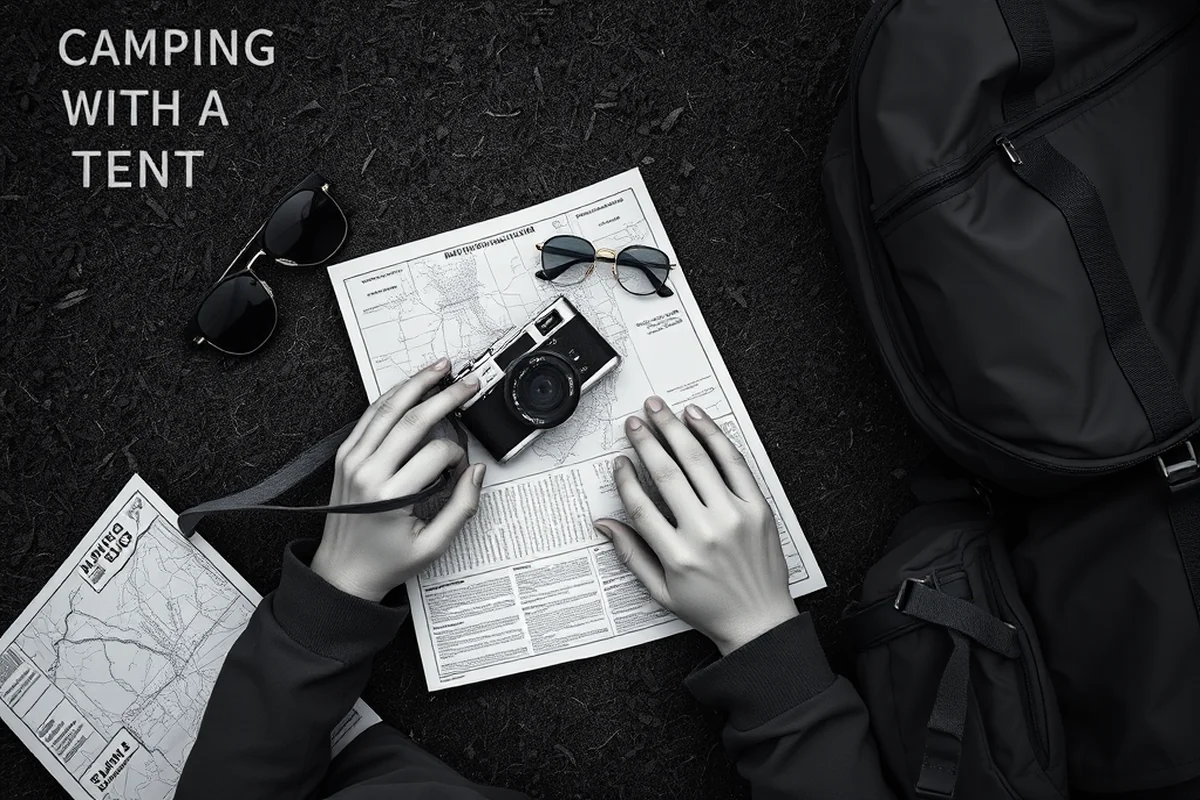
I used to think that a sleeping bag was enough to keep me warm, but I quickly learned that it's the insulation of the tent that makes the difference. A good quality sleeping bag rated for the temperature you're expecting is essential. I now use a sleeping bag rated for 30°F, which is perfect for spring camping.
I also use a sleeping pad to add an extra layer of comfort between me and the ground. A thick sleeping pad can make a world of difference — it insulates you from the cold and provides a softer, more supportive surface. I've found that a 3-inch thick pad is ideal for most conditions.
Another tip is to use a stuff sack to keep your sleeping bag dry. I've learned that moisture can ruin a sleeping bag, making it less effective and harder to use in future trips. I always stuff my sleeping bag back into the sack after use and store it in a dry place when I'm not camping.
Related: Family camping trips for beginners how to choose
Staying Safe While Camping
I've learned that one of the biggest dangers while camping is not having a proper first aid kit. I now carry a kit with basic supplies like bandages, antiseptic, and pain relievers. I also carry a whistle and a flashlight in case of emergencies. I've heard stories of campers who were stranded for hours because they didn't have a way to signal for help.
Another tip is to always let someone know where you're camping and when you expect to return. I've made it a habit to inform a friend or family member about my plans before heading out. That way, if something goes wrong, someone knows where to look. I've also learned to carry a satellite phone or a GPS device in case I'm out of cell phone range.
I also avoid camping alone — I always go with a partner or a small group. That way, we can help each other in case of an emergency. I've seen firsthand how quickly things can go wrong in the wilderness, and having someone with you can make all the difference.
Related: Camping trips usa family friendly
Pack Smart for Your Trip
I used to overpack my tent, only to find that I had no room for my gear. The key to smart packing is to know what you really need and what you can live without. I now use a checklist to make sure I don't forget anything important. I always bring a headlamp, a first aid kit, and a map — they're essential for any camping trip.
I also bring a lightweight tent, a sleeping bag, and a sleeping pad — these are the basics. I avoid bringing too much food or too many clothes, as that can be a burden. I've found that packing light makes it easier to move around and enjoy the outdoors. I also use a dry bag to keep my gear dry in case of rain or water exposure.
One of the most important things I've learned is to bring enough water and food for the trip. I always carry at least 2 liters of water per person per day, and I pack enough food to last the entire trip. I've learned that running out of water or food can be dangerous, especially if you're in a remote area.
Less is more when it comes to camping — pack only what you need and you'll be surprised how much easier it is to enjoy your trip.
Related: Family camping trips for beginners explained
Leaving No Trace and Respecting Nature
I used to leave trash behind, not realizing that it could harm wildlife and the environment. I now make it a point to pack out all my trash, including food scraps and wrappers. I've learned that even a small piece of trash can take years to decompose and can harm wildlife.
I also avoid trampling on vegetation and I stay on designated trails. I've found that walking on the trail helps protect the environment and keeps the area more beautiful for future campers. I also avoid using campfires in dry areas — they can cause wildfires and are a danger to the environment.
One of the most important things I've learned is to leave the area exactly as I found it. I now make sure that I don't disturb the natural habitat and I take all my trash with me. I've seen the damage that people can do when they don't take care of the environment, and I want to make sure that I don't contribute to that damage.
💰 Budget Camping
Camping with a tent on a budget is possible with the right gear and planning. I've spent as little as $300 for a four-day trip by choosing affordable tents, sleeping bags, and sleeping pads.[3]
⛺ Long Weekend Getaway
A long weekend camping trip with a tent is a great way to escape the city and enjoy the outdoors. I've spent four days in the mountains with a group of friends, and it was one of the most memorable trips of my life.
👨👩👧👦 Camping with Kids
Camping with kids is a great way to teach them about the outdoors and create lasting memories. I've taken my kids camping on several occasions, and they've loved every minute of it.
🍂 Off-Season Camping
Camping with a tent during the off-season can be a great way to enjoy the outdoors without the crowds. I've found that the best time to camp is in the spring or fall when the weather is mild and the campsites are less crowded.
✨ Luxury Tent Camping
Luxury tent camping is a great way to enjoy the outdoors in comfort. I've spent a few nights in a luxury tent with a private bathroom and a comfortable bed — it was like being in a resort in the wilderness.
| The mistake | Why it happens | The fix |
|---|---|---|
| Not securing the tent properly. | A poorly secured tent can be destroyed by the wind and can leave you exposed to the elements. | Always use tent stakes and guy lines to secure your tent properly. Leave enough space between the tent and the trees to allow the wind to pass through. |
| Overpacking the tent. | Overpacking the tent can make it uncomfortable and can lead to a lack of space and privacy. | Pack only what you need and use a checklist to make sure you don't forget anything essential. A lightweight tent is the key to a comfortable camping experience. |
| Ignoring the environment. | Ignoring the environment can lead to damage to the natural habitat and can harm wildlife. | Always pack out all your trash and avoid trampling on vegetation. Stay on designated trails and avoid using campfires in dry areas. |
Camping With A Tent
Common Questions
What is the best time of year to go camping with a tent?
How much does it cost to go camping with a tent?
What should I avoid when camping with a tent?
What are the benefits of camping with a tent?
References
Cite this guide
Campandtots (2026). Camping With A Tent. https://campandtots.com/camping-with-a-tent/
Feel free to cite or share this guide.