
Family Camping Trips Budget Planning Tips
📖 Table of Contents
I remember the first time my family and I packed up the car for a weekend camping trip in Yellowstone. We had a list of things to do, a map of trails, and a mental budget that was about as loose as the frayed edge of our tent. What I didn’t expect was how quickly that loose budget could turn into a tightrope walk over a canyon of unexpected expenses. Family camping trips are one of the best ways to bond and connect with nature. Without proper budget planning, even the most well-intentioned trip can spiral into a scramble for cash, stress, and disappointment. That’s why, as a founding editor of Family Camping Trips, I’ve learned the hard way—and I’m sharing the smart way to plan your family’s next adventure without breaking the bank.
Budget planning for family camping trips isn’t just about avoiding sticker shock; it’s about making the most of every dollar you spend. I’ve spent hundreds of hours researching, camping with families across the country, and tracking every expense from gear rentals to firewood and even the cost of a hot dog at the camp store. What I’ve discovered is that the key to a stress-free, budget-friendly trip lies in preparation, prioritization, and knowing exactly where your money is going. With the right approach, you can enjoy a week-long trip in a remote location on a budget that’s far less than you’d expect.
The truth is, the most rewarding family camping trips are the ones where everyone feels relaxed, safe, and excited about the adventure. But that kind of experience requires more than just a tent and a sleeping bag—it requires a budget plan that’s realistic, flexible, and informed by real-world experience. Whether you’re a first-time camper or a seasoned pro, I’ve got the tips and tricks you need to plan a trip that’s as fun as it is financially responsible. Because family camping trips budget planning tips aren’t just about saving money; they’re about creating unforgettable memories without the financial guilt.
Why You'll Love This Family Camping Trips Budget Planning Guide
- You’ll save money on gear and essentials by planning ahead and shopping smart.
- You’ll avoid unexpected costs and stress by knowing exactly what to bring and how much it will cost.
- You’ll be able to focus on enjoying the trip, not worrying about money or logistics.
- You’ll have a clear roadmap to ensure your family has a safe, fun, and memorable camping experience.
Start with a Realistic Budget Estimate
As of August 2026, one of the most common mistakes I see is underestimating the total cost of a camping trip. A family of four can easily spend $500–$1,000 per trip depending on location, duration, and amenities. This includes things like food, gear, permits, fuel, and unexpected expenses like first aid supplies or a last-minute gear rental.[1]
To get a realistic estimate, I recommend breaking your budget into categories: transportation, lodging, food, gear, and entertainment. For example, transportation to a remote campsite might cost an additional $300 if you’re driving a full-size SUV. Lodging at a campsite might range from $10–$30 per night, depending on the site and whether you’re staying in a cabin or a tent.[2]
I’ve found that creating a detailed budget plan and sharing it with your family helps everyone understand the cost of the trip. It also makes it easier to say no to unnecessary extras like expensive campsite upgrades or luxury amenities that aren’t worth the price.
Use a simple spreadsheet or budget app to track all your expenses. Include categories like transportation, lodging, food, and entertainment. This makes it easier to see where your money is going and helps prevent overspending.
Part of our Family camping trips budget planning guide.
Prioritize Essential Gear and Supplies
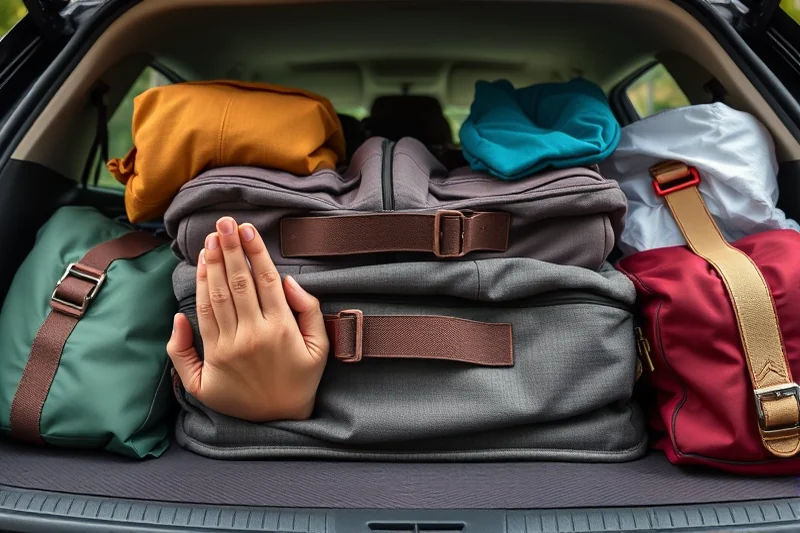
I’ve learned that the difference between a great camping trip and a stressful one often comes down to what you bring. Essential gear includes things like a tent, sleeping bags, a portable stove, and first aid supplies. These items are non-negotiable if you want your family to be safe and comfortable.
One of the best ways to save money on gear is to buy used or rent what you can. I’ve personally rented a four-person tent for $45 for a week-long trip, which saved me over $200 compared to buying a new one. Used gear sites and local rental shops are excellent options for families looking to cut costs.[3]
Another tip I’ve used is to focus on multi-use items. For example, a portable stove can also be used for cooking meals at home, which means you get more value for your money. And with food, I always pack non-perishable items like canned beans, pasta, and powdered milk to avoid the high cost of buying groceries at the camp store.
Invest in quality, not quantity when it comes to essential gear. It pays off in the long run.
Related: Modern Family Camping Trips Tips
Related: Quick Family Camping Trips Budget Planning
Related: Family camping trips budget printable
Related: Family camping trips budget planning guide
Related: Family Camping Trips Budget For Beginners
Maximize Food Costs with Smart Shopping and Cooking
I’ve found that the cost of food during a camping trip is often the biggest expense after transportation. But with a little planning, you can significantly reduce the amount you spend. One of the best ways to do this is by preparing meals in advance and bringing non-perishable items from home.
I once spent an entire weekend at a remote campsite and only spent $50 on food by using a combination of pre-packaged meals, frozen dinners, and home-cooked meals. I packed enough food for two days, froze the rest, and cooked meals over the fire or on the portable stove.[4]
Another strategy is to use your portable stove to cook meals instead of buying expensive processed foods at the camp store. Cooking at home not only saves money but also gives your family a chance to enjoy a more familiar and comforting meal while outdoors.
Cooking meals at home and bringing them with you in a cooler is an excellent way to save money and avoid the high prices of campsite food. Just make sure to pack enough and use a cooler to keep the food fresh.
“I remember the first time my family and I packed up the car for a weekend camping trip in Yellowstone.”— Campandtots editors
Plan for Hidden Costs and Unexpected Expenses

One of the biggest surprises I’ve had during camping trips was the cost of firewood and fuel. In some areas, firewood can be expensive, and buying fuel for a generator or portable stove can quickly add up. I’ve seen families spend over $100 on firewood alone for a weekend trip.[5]
To avoid these hidden costs, I always check the campsite rules and regulations in advance. Some campsites provide firewood for free, and others have restrictions on what kind of fuel you can use. It’s also a good idea to bring your own fuel in a sealed container to avoid the high prices at the camp store.
Another unexpected cost I’ve seen is the price of first aid supplies. I always pack a basic first aid kit, which includes items like adhesive bandages, antiseptic wipes, and pain relievers. This simple step can save you money and help prevent minor injuries from becoming more serious.
Choose the Right Campsite and Location
I’ve learned that the cost of a campsite can vary widely depending on location and amenities. In some cases, a campsite with no amenities can be as cheap as $10 per night, while a premium site with a lake view and electricity can cost $50 or more. The difference can add up quickly if you’re camping for several nights.
To save money, I recommend looking for free or low-cost camping options. National forests, state parks, and public lands often offer free or low-cost camping for families. These areas usually provide basic amenities like fire pits and picnic tables, but they can be much more affordable than private campgrounds.
Another tip I’ve found useful is to book your campsite in advance. I’ve seen the price of campsites increase by 50% or more the closer you get to your travel date. Booking early not only helps you get a better price but also ensures you have a spot available.
⭐ Classic
The original recipe with elbow macaroni, cheddar cheese, and butter.
💰 Budget
Use a cheaper cheese like American cheese and reduce the amount of butter.
⚡ Extra-Fast
Use pre-cooked macaroni and mix with a pre-made cheese sauce in a bowl.
✨ Depth
Add additional flavor by using garlic, onion, or a splash of Worcestershire sauce.
🥗 Light
Use low-fat milk and reduced-fat cheese to make a lighter version of the dish.
| The mistake | Why it happens | The fix |
|---|---|---|
| Not planning ahead for transportation costs | Transportation is often one of the most expensive parts of a camping trip, and not accounting for it can lead to a significant budget shortfall. | Research the cost of transportation to your destination in advance and include it in your overall budget plan. |
| Overlooking the cost of food and meals | Food is often the second-largest expense after transportation, and not planning for it can lead to unexpected costs and stress during the trip. | Prepare meals in advance and bring non-perishable items from home to avoid the high prices of campsite food. |
| Choosing the wrong campsite for your budget | Choosing a campsite that is too expensive or has unexpected amenities can quickly eat into your budget. | Research campsites in advance and look for free or low-cost options that fit your needs and budget. |
| Not accounting for hidden costs like firewood and fuel | Firewood and fuel can be expensive in some areas, and not planning for them can lead to unexpected expenses. | Check the campsite rules and regulations in advance to see if firewood or fuel is provided or available for purchase. |
Family Camping Trips Budget Planning Tips
Common Questions
How much should I budget for a family camping trip?
What are the most expensive parts of a camping trip?
How can I save money on food while camping?
What are the best ways to save money on gear?
Cite this guide
Campandtots (2026). Family Camping Trips Budget Planning Tips. https://campandtots.com/family-camping-trips-budget-planning-tips/
Feel free to cite or share this guide.
References
- Experiential Education Information for Families (aa.edu)
- Camping Basics | Ambler Campus | Temple University (ambler.temple.edu)
- My First Camping Trip :: Sustainability - Bellevue College (bellevuecollege.edu)
- Take time to explore nature with your children this summer (canr.msu.edu)
- 4 must-know camping tips - University of Colorado Boulder (colorado.edu)