
What Is A Tent Footprint

📖 Table of Contents
I still remember the first time I pitched a tent under the open sky, the thrill of it all tempered by the cold, damp ground that seeped through my sleeping bag. It was a lesson in the importance of a good tent footprint — a detail I had overlooked in my eagerness to explore. A tent footprint is more than just a piece of fabric; it's a critical component of your camping gear that can make or break your experience. It's the invisible layer between you and the earth, and yet, it's often the one thing I see overlooked by first-time campers.[2]
The first time I realized the value of a tent footprint was during a three-day backpacking trip in the Canadian Rockies. The ground was rocky and uneven, and without the protection of a footprint, my tent floor took a beating, and I ended up with a soaked, uncomfortable night. It was then that I understood that a tent footprint isn't just a convenience — it's a necessity. It's the difference between a dry, comfortable sleep and a sleepless, wet night that leaves you exhausted and disheartened.[3]
Since then, I've made it a point to always bring a tent footprint, and the difference it makes is undeniable. Whether you're camping on a sandy beach, a muddy forest floor, or a rocky mountain trail, a tent footprint is an investment that pays off in both comfort and longevity of your gear. It's a small piece of equipment that can transform your outdoor experience, and I'm here to tell you exactly what it is, why it matters, and how to use it effectively.[4]
Why You'll Love This Article
- Discover the real purpose of a tent footprint and its impact on your camping comfort.
- Learn how to choose the right footprint for your specific type of camping.
- Get practical tips on setting up your tent footprint correctly to avoid damage.
- Understand the long-term benefits of using a tent footprint on your gear.
What Exactly Is A Tent Footprint?
As of October 2026, at its core, a tent footprint is a simple yet essential piece of gear. It's a tarp-like material that sits directly on the ground, underneath your tent. This layer acts as a barrier, shielding your tent's floor from dirt, moisture, and sharp objects that might damage it. Footprints are typically made of materials like polyethylene, silicone, or waterproof nylon. They are designed to be slightly larger than your tent's footprint to ensure full coverage and proper drainage.[5]
I’ve used footprints on everything from grassy meadows to rocky trails, and in every case, they’ve made a noticeable difference. When I first started camping, I didn’t realize the extent of the damage that could be done to a tent floor by just one night on the ground. After using a footprint for the first time, I noticed that my tent floor was dry, clean, and free from punctures — a contrast to my previous experiences.
Manufacturers often recommend using a footprint with any tent, especially when camping in harsh environments. It's not just about comfort — it's also about preserving the life of your tent. A tent floor that's exposed to the elements can wear down quickly, but with a footprint, you can significantly extend the lifespan of your gear.[1]
Look for footprints made of durable, waterproof materials. Polyethylene is budget-friendly and easy to clean, while silicone offers better water resistance and longevity.
Part of our Family camping trips packing gear guide.
Why Your Tent Needs A Footprint
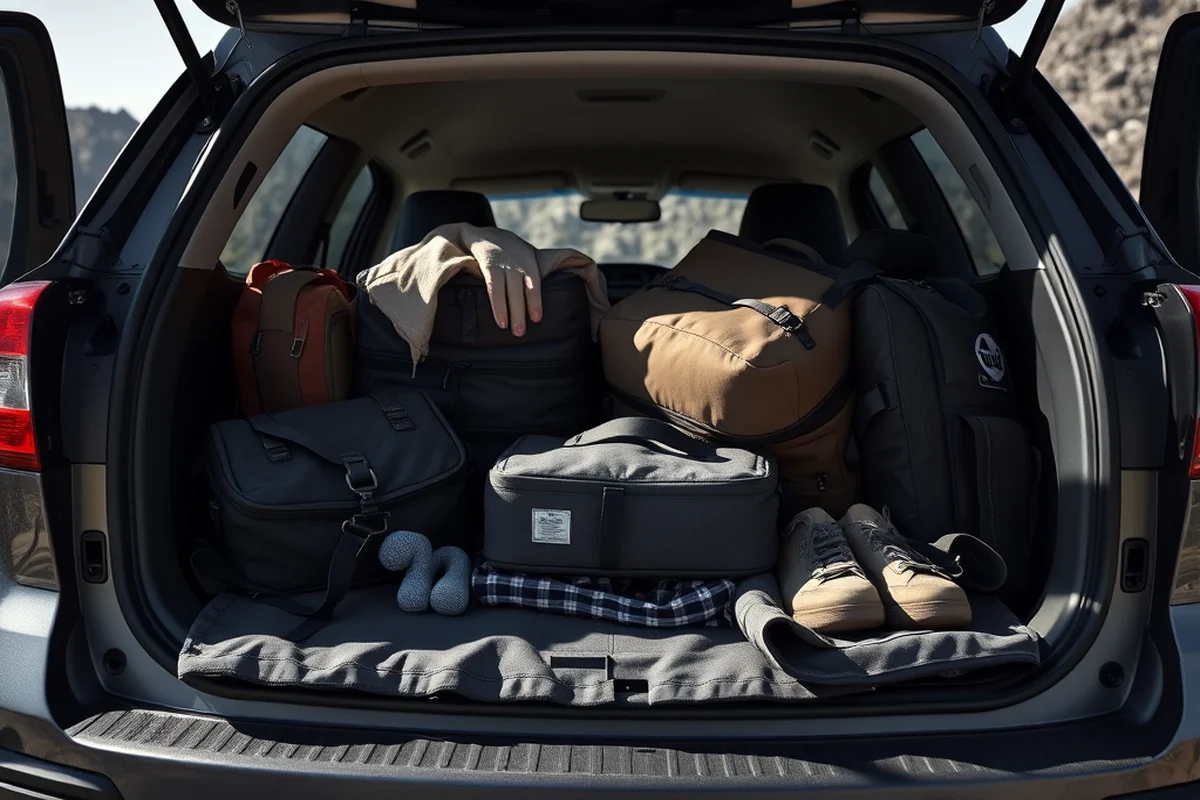
Think of your tent as the skin of your shelter — and your footprint as the protective layer underneath. Without a footprint, your tent is exposed to everything from sharp rocks to moisture that can seep through even the best tents. I've spent a lot of time in the wilderness, and I've seen firsthand how quickly a tent floor can get damaged without a footprint. A single night of camping on a rocky trail can leave punctures in your tent, which can then lead to leaks in rainy conditions.
In my experience, a footprint isn't just for protection — it's also about comfort. When I pitch my tent on a rocky or uneven surface, the footprint keeps me from feeling every bump and rock through the floor. It creates a more level surface that makes sleeping more comfortable, especially after a long day of hiking.
Also, footprints help in keeping your tent clean. I’ve found that even when I take the time to clean my campsite, the ground can still be dirty, and without a footprint, that dirt gets inside your tent. A footprint acts as a barrier that keeps that dirt outside, reducing the need for constant cleaning and extending the life of your tent.
A footprint is the unsung hero of your camping gear — don't overlook it.
Related: Budget family camping trips gear
Types Of Tent Footprints And How To Choose
There are several types of tent footprints, each designed for different environments and needs. For example, if you're camping in the desert, you might want a footprints made of thicker, more durable material that can withstand high temperatures and rough terrain. On the other hand, if you're camping in a forest with soft ground, a lighter, more flexible footprint might be better.
I've used both heavy-duty footprints for rock climbing trips and lighter ones for weekend camping trips. The difference in weight and durability was noticeable. The heavier ones were more robust, but they also added weight to my pack. It's important to find the right balance for your specific needs.
When choosing a footprint, I always check the dimensions to make sure it's the correct size for my tent. Most footprints come with a label that indicates which tents they're compatible with, but it's still a good idea to measure your tent's footprint to ensure a proper fit. A footprint that's too small won't provide full protection, while one that's too large may be difficult to manage.
Always check the dimensions of your tent's footprint before purchasing a new one. A mismatch can lead to inadequate protection and a less enjoyable camping experience.
“I still remember the first time I pitched a tent under the open sky, the thrill of it all tempered by the cold, damp ground…”— Campandtots editors
Related: Diy family camping trips packing
How To Set Up Your Tent Footprint
Setting up your tent footprint is a simple process, but it's important to do it correctly to ensure it works as intended. First, I always make sure the ground is as flat as possible. If I can't find a flat spot, I'll use rocks or a leveling tool to create a more even surface. This helps prevent the footprint from sagging and creating puddles of water.
Once I have a flat area, I lay the footprint out and secure it with stakes or rocks, making sure it's taut and not sagging in any areas. I then place the tent directly on top of the footprint, ensuring that the tent is centered and that the footprint extends slightly beyond the tent's edges. This ensures full protection and allows for proper drainage.
I've found that taking the time to set up the footprint properly makes a big difference in how well it protects my tent. If the footprint is not secured properly, it can shift during the night or be blown away by the wind. This can leave my tent exposed to damage and make the entire camping experience less enjoyable.
Related: How to family camping trips gear
The Benefits Of Using A Tent Footprint
One of the most noticeable benefits of using a tent footprint is the improvement in comfort. When I camp on a rocky or uneven surface, the footprint helps smooth out the ground, making it more comfortable to sleep on. I’ve noticed that without a footprint, my sleeping bag can feel cold and uncomfortable, especially if I’m on a ground that's not flat or level.
Another benefit is the protection it provides for your tent. Over time, I've noticed that my tent floor gets worn down faster when I don't use a footprint. This is because the ground can be rough, and the tent floor is exposed to direct contact with rocks, sticks, and other sharp objects. A footprint acts as a buffer, preventing these types of damage.
In addition, using a footprint helps keep your tent clean. I’ve found that even when I take the time to clean my campsite, the ground can still be dirty, and without a footprint, that dirt can get inside your tent. A footprint acts as a barrier that keeps that dirt outside, reducing the need for constant cleaning and extending the life of your tent.
Related: Simple family camping trips gear
Common Mistakes When Using Tent Footprints
One of the most common mistakes I see is not using a footprint at all. While it might seem like an unnecessary expense, I've found that it's one of the most cost-effective investments you can make. A tent floor that's exposed to the elements can wear down quickly, and without a footprint, you're not protecting your gear or your comfort.
Another mistake is using the wrong size or type of footprint. I've seen campers use footprints that are too small for their tent, which means they're not providing full protection. It's important to make sure your footprint is the correct size and made of the right material for your specific type of camping.
I've also seen people not secure their footprints properly. If a footprint isn't secured with stakes or rocks, it can shift during the night or be blown away by the wind. This can leave your tent exposed and make the entire camping experience less enjoyable.
A small investment in a tent footprint can lead to a much better camping experience.
Related: Best family camping trips packing
How To Care For Your Tent Footprint
Taking care of your tent footprint is just as important as using it correctly. After each camping trip, I make it a point to clean my footprint thoroughly. I use a gentle brush to remove any dirt or debris, and if it's particularly dirty, I'll rinse it with water. It's important to avoid using harsh chemicals, as they can damage the material over time.
I also make sure to dry my footprint completely before storing it. If left damp, it can develop mold or mildew, which can ruin the fabric and reduce its effectiveness. After cleaning, I'll spread it out in the sun to dry, which also helps disinfect it and keep it fresh for the next trip.
When not in use, I store my footprint in a dry, cool place. I avoid folding it too tightly, as this can create creases that are difficult to remove and can weaken the fabric over time. I also keep it away from direct sunlight, as prolonged exposure can cause the material to degrade.
🎒 Budget Backpacking
Lightweight and affordable footprints designed for short, low-cost trips with minimal gear.
⛺ Long Weekend Camping
Durable and reliable footprints perfect for weekend getaways in the woods or on the beach.
👨👧👦 Camping With Kids
Footprints made with reinforced edges to handle the wear and tear of kids' activities and play.
❄️ Off-Season Camping
Thicker, more insulating footprints designed for use in colder, harsher conditions.
✨ Luxury Camping
High-end footprints with additional features like reinforced corners and UV-resistant materials for premium comfort.
| The mistake | Why it happens | The fix |
|---|---|---|
| Using the wrong size footprint | A mismatched footprint may not provide full coverage, leaving your tent exposed to damage and discomfort. | Always check the dimensions of your tent before purchasing a footprint to ensure a proper fit. |
| Not securing the footprint properly | If a footprint isn't secured with stakes or rocks, it can shift or be blown away by the wind, leaving your tent vulnerable. | Make sure to stake or weigh down the edges of the footprint to keep it in place. |
| Ignoring the need for a footprint | Not using a footprint can lead to a shorter lifespan for your tent and a less comfortable camping experience. | Invest in a good quality footprint, no matter how small or short your trip might be. |
| Failing to clean the footprint regularly | A dirty footprint can harbor mold or mildew, which can damage the fabric and reduce its effectiveness over time. | Clean your footprint after each use, and dry it thoroughly before storing. |
What Is A Tent Footprint
Common Questions
Can I use any footprint with any tent?
How often should I replace my tent footprint?
Is a footprint necessary for tent camping?
Can I use a tarp as a tent footprint?
References
- 4 must-know camping tips - University of Colorado Boulder (colorado.edu)
- Survey and Clearance of Unexploded Submunitions Versus ... (commons.lib.jmu.edu)
- Micrometeorological measurements of CH 4 and CO 2 exchange ... (dash.harvard.edu)
- Defining the morphological quality of fossil footprints. Problems and ... (digitalcommons.unl.edu)
- Archaeology - University of Denver (du.edu)
Cite this guide
Campandtots (2026). What Is A Tent Footprint. https://campandtots.com/what-is-a-tent-footprint/
Feel free to cite or share this guide.