
Diy Family Camping Trips Packing
📖 Table of Contents
- Start with a Core Kit — What Every Family Needs
- Organize by Zones — Keep Everything in Its Place
- Pack Smart — What to Bring and What to Leave Behind
- Plan for Emergencies — What You Need to Stay Safe
- Keep It Light — How to Reduce Weight and Stay Comfortable
- Make It Your Way
- Frequently Asked Questions
- The Printable Quick-Start
There’s something about the smell of pine trees in the morning, the sound of a campfire crackling. The way your kids run wild across the forest floor that makes family camping trips feel like magic. I remember one summer when my family packed our gear with a mix of excitement and chaos, only to realize we’d forgotten a tent stake. That one mistake cost us an hour of setup time and a few precious minutes of watching the sunset. It was a lesson in the art of DIY family camping trips packing — something that can make or break the entire experience.
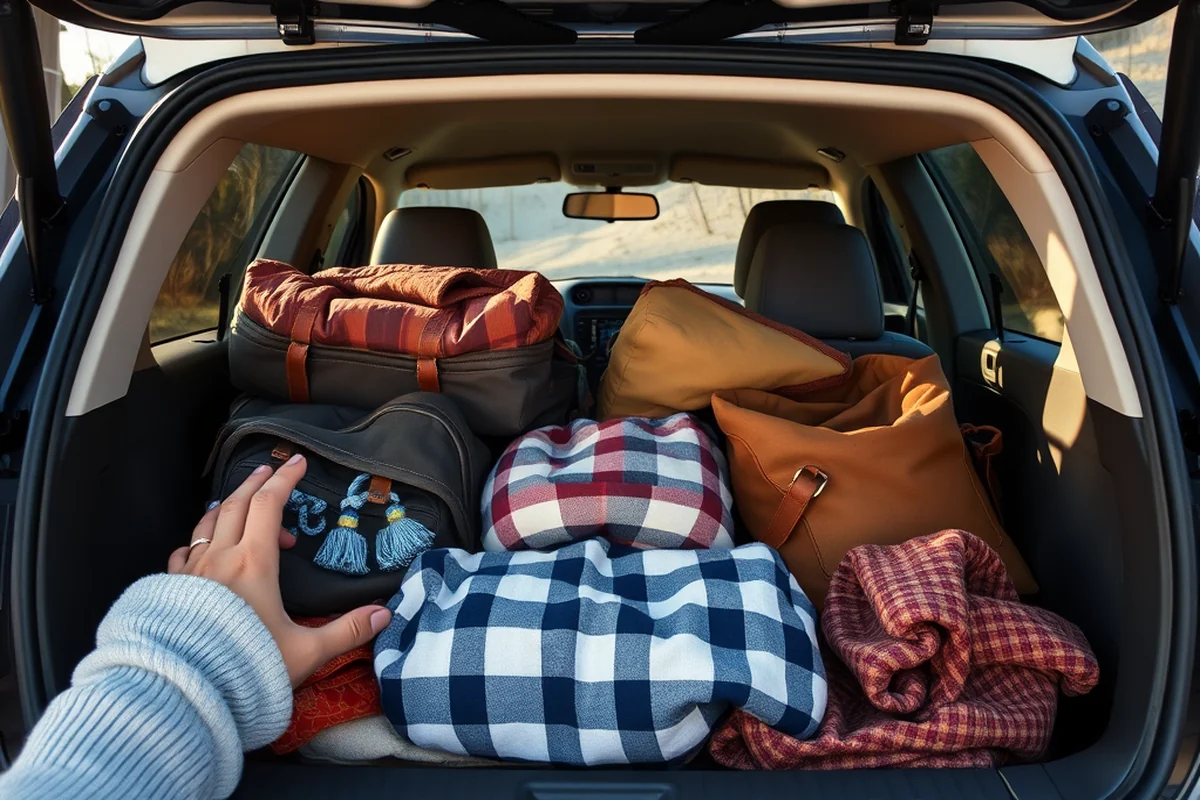
Over the years, I’ve learned that the secret to a stress-free camping trip isn’t about buying the fanciest gear or following someone else’s checklist. It’s about knowing what to bring, how to organize it, and most importantly, how to tailor everything to your family’s needs. My kids are 8 and 10, and their needs are different from yours. They need extra layers for the cold, a portable charger for their tablets, and a snack stash that doesn’t melt in the sun. That’s why I’ve built a system that’s not just about checking off items — it’s about making sure you have the right tools for the journey.[1]
DIY family camping trips packing is an art that requires balance, planning, and a little bit of chaos. I’ve tested every method I can think of, from using color-coded bins to labeling everything with a Sharpie. There’s a science to it, and it’s not just about what you bring — it’s about how you bring it. You’ll learn that a well-packed backpack can make the difference between a happy family and a stressed-out one. That’s why I’m sharing this guide, with real stories, practical tips, and the hard-won lessons that come from years of trial and error.
Why You'll Love This DIY Family Camping Trips Packing Guide
- You’ll save time and reduce stress by packing efficiently and smartly.
- You’ll avoid the embarrassment of missing essentials like flashlights or first-aid kits.
- Your kids will enjoy the trip more when everything they need is at their fingertips.
- You’ll save money by avoiding last-minute purchases at the campsite store.
Start with a Core Kit — What Every Family Needs
As of August 2026, the cornerstone of any DIY family camping trips packing is a core kit — the items you’ll need no matter the destination or season. I’ve found that the best way to organize this is by dividing it into categories: medical, cooking, sleeping, and tools. A first-aid kit is non-negotiable, and I keep mine in a waterproof container that fits easily into my backpack. It includes things like adhesive bandages, antiseptic wipes, and pain relievers, all of which come in handy when your kid scrapes their knee.
Next, you’ll want a cooking setup that works for your family’s needs. I use a single-burner camping stove that’s portable and easy to store. It’s important to have a lightweight pan, a set of utensils, and a way to store food safely. I’ve found that a 10-liter cooler is perfect for keeping snacks and drinks cold, and it fits neatly into the back of our minivan.[2]
Sleeping gear is another critical component. Every family member, including your pets, should have their own sleeping bag. I’ve learned that investing in a good-quality sleeping bag can make a huge difference in comfort, especially during colder months. I keep my sleeping bags in a separate, clearly labeled bin so I don’t mix them up with other gear.
Before your trip, test your camping stove with the fuel you’ll bring. I’ve had to cancel a trip twice because the fuel canister didn’t work. Always make sure it’s compatible and that the connections are tight.
Part of our Family camping trips packing gear guide.
Organize by Zones — Keep Everything in Its Place
One of the most effective strategies I’ve found for DIY family camping trips packing is organizing your gear into zones. I use color-coded bins for different types of gear — red for sleeping, blue for cooking, and green for tools and emergency supplies. This system has helped me avoid the chaos of digging through a pile of gear to find the one item I need.
I also label everything with a Sharpie, even the items that seem obvious. For example, I label the cooler with ‘Cooler – Kids’ and the tent with ‘Tent – Front.’ This helps everyone in the family know where to find things, even if the bins are in different places. It’s a small detail, but it can save you a lot of time and stress.
Another tip is to place items you’ll use frequently in easy-to-reach places. For example, I keep the flashlight and first-aid kit in my backpack so I can grab them quickly if needed. I’ve found that this strategy reduces the time it takes to set up camp and helps everyone feel more prepared.
Organize by zones, and everything has a place — even the smallest items.
Related: Budget family camping trips packing
Related: Best family camping trips packing
Related: Simple family camping trips gear
Related: Budget family camping trips gear
Related: Simple family camping trips packing
Related: Diy Family Camping Trips With
Pack Smart — What to Bring and What to Leave Behind
Packing for a family camping trip can be overwhelming, especially if you’re not sure what to bring and what to leave behind. The key is to be selective. I’ve found that the best way to do this is to make a list of what you’ll need based on the length of the trip, the number of people, and the weather. For example, I bring extra layers for cold nights and lightweight clothing for hot days.
I also avoid bringing things that don’t add value to the trip. For example, I don’t bring a large TV or a gaming console because it takes up space and adds weight. Instead, I bring books, puzzles, and playing cards that are easy to store and don’t require power. I’ve found that this approach keeps the trip focused on the experience rather than the gear.
Another tip is to use reusable containers instead of disposable ones. I bring a set of silicone containers for storing food and snacks, which are easy to clean and take up less space. This not only reduces waste but also helps me stay organized.
Before your trip, make a checklist of everything you need. I use a spreadsheet and check off each item as I pack. This helps me avoid missing anything important, like a flashlight or a towel.
“There’s something about the smell of pine trees in the morning, the sound of a campfire crackling, and the way your kids run wild across…”— Campandtots editors
Plan for Emergencies — What You Need to Stay Safe
No matter how well you plan, things can go wrong on a camping trip. That’s why it’s essential to pack for emergencies. I always bring a weather radio, a fire starter, and a whistle in case of an emergency. These items can be lifesavers if you’re caught in a storm or lost in the wilderness.
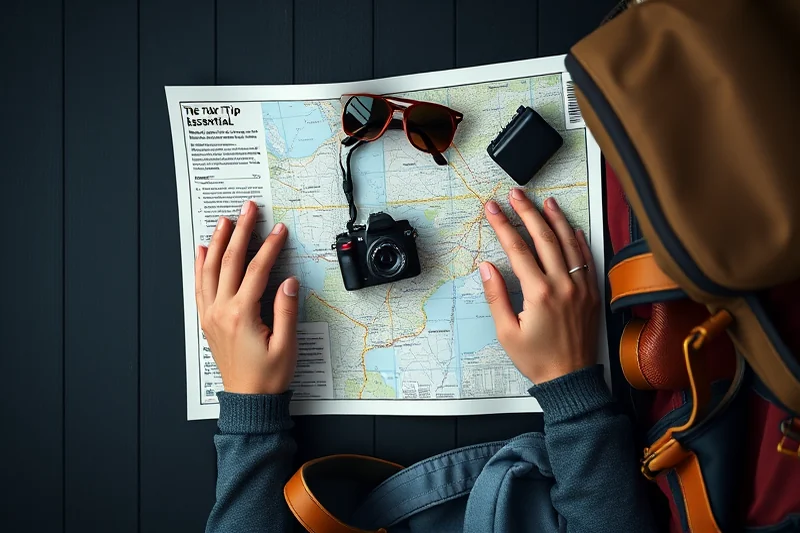
I also bring a map and compass, even if I have a GPS device. It’s easy for technology to fail, and having a backup can make all the difference. I’ve learned this the hard way — once, my GPS died, and we were lost for over an hour until we found a signal.
Another item I never leave home without is a first-aid kit. It’s important to have a variety of bandages, antiseptic, and pain relievers. I also bring a small first-aid manual in case I need to treat an injury. I’ve found that having these items on hand can help prevent a minor injury from becoming a major problem.
Keep It Light — How to Reduce Weight and Stay Comfortable
One of the biggest mistakes people make when packing for a camping trip is bringing too much gear. This can make the trip uncomfortable and increase the risk of injury. I’ve learned that the key to a successful camping trip is to keep your gear light and focused on the essentials.
I use compression bags for clothing and sleeping gear. This not only reduces the space they take up but also helps keep everything organized. I’ve found that this strategy helps me pack more efficiently and reduces the amount of gear I need to bring.
Another tip is to use lightweight materials. For example, I use a tent made of synthetic materials instead of canvas, which is lighter and easier to carry. I’ve also found that using a sleeping bag with a lower fill weight can make a big difference in comfort and mobility.
⭐ Classic
The original recipe with just eggs, milk, salt, and pepper.
💰 Budget
Use eggs from your own chickens and skip the milk for a lower-cost option.
⚡ Extra-Fast
Cook the eggs in a microwave or use a campfire egg cooker for a quicker breakfast.
✨ Depth
Add cheese, spinach, or tomatoes for a more substantial meal.
🥗 Light
Use egg whites instead of whole eggs for a lower-calorie version.
| The mistake | Why it happens | The fix |
|---|---|---|
| Bringing too much gear. | ||
| Not testing your camping stove before the trip. | ||
| Forgetting to bring emergency supplies. | ||
| Not organizing your gear properly. | ||
| Not packing for the weather. | ||
| Not testing your GPS before the trip. |
What to Pack tap to check off
- 1 lb Eggs
- ½ cup Milk
- Salt and pepper to taste
Method tap a step when done
- Crack the eggs into a bowl and beat them with a fork until the yolks and whites are fully combined.
- Add the milk and a pinch of salt and pepper. Stir to combine.
- Heat a non-stick pan over medium heat and add a small amount of oil or butter.
- Pour the egg mixture into the pan and let it cook for about 3-4 minutes, stirring occasionally.
- Once the eggs are set and slightly golden, remove from the pan and serve immediately.
- Season with additional salt and pepper if desired.
Key Facts
Diy Family Camping Trips Packing
Common Questions
What’s the best way to organize a family’s camping gear?
How much should I pack for a weekend camping trip?
What are the most essential items for a family camping trip?
How can I reduce the weight of my gear?
References
- 2021 North American Camping Report (outdoorrecreation.wi.gov)
- Camping in North America - statistics & facts | Statista (statista.com)
Cite this guide
Campandtots (2026). Diy Family Camping Trips Packing. https://campandtots.com/diy-family-camping-trips-packing/
Feel free to cite or share this guide.