
Family Camping Trips Packing Gear Checklist
📖 Table of Contents
I still remember the chaos of our first family camping trip — a tent that leaked, a missing flashlight, and a toddler who refused to sleep unless we were home. We learned that preparation is everything, and that’s why I’m writing this family camping trips packing gear checklist. It's not just about what you bring, but how you bring it. Whether you're a first-timer or a seasoned camper, this guide will help you streamline your packing and ensure every family member has what they need to enjoy the outdoors.
Family camping trips are some of the most rewarding experiences for parents and kids alike. But without the right gear, even the most exciting adventure can quickly turn into a logistical nightmare. I’ve tested dozens of camping gear setups with my own family, and this checklist is the culmination of what we’ve learned over the years. From the essentials like tents and sleeping bags to the less obvious items like first-aid kits and portable phone chargers, this guide will help you avoid the common pitfalls of underpacking.
The best family camping trips are the ones where you spend more time exploring and less time scrambling for a missing item. Over the course of our last trip, which lasted four days and took us to a remote forest, we used this checklist to ensure we had everything we needed. I’ll walk you through each category of gear, explain why it matters. Share the exact items we packed — no fluff, just real, actionable advice that will make your next trip smoother, safer, and more enjoyable.
Why You'll Love This Family Camping Trips Packing Gear Checklist
- It ensures you never forget a crucial item again — we’ve tested this system with our own family and it works.
- It reduces stress by helping you organize your gear efficiently, even with young kids who can’t be trusted with a backpack.
- It includes both obvious and hidden essentials, so you’re never caught unprepared.
- It’s written by someone who's been there — I’ve made all the same mistakes, and now I’m sharing the lessons.
Essential Tent and Shelter Gear
As of August 2026, the tent is the first thing you should prioritize when preparing for a family camping trip. I recommend a 6-person tent for a family of four, as it allows for extra space and comfort, especially with young kids. We’ve used a three-season tent in our own trips, and it's held up well through rain, wind, and even unexpected critters.
Sleeping bags are equally important. I always pack one for each family member, and I choose ones with a temperature rating that matches the season we're camping in. For spring trips, we go with a 30°F rating. The difference in comfort is huge, especially when the temperature drops at night.[1]
Don’t forget to bring a ground tarp — it’s a small addition that can protect your tent from dampness and extend its lifespan. I’ve seen firsthand how a tarp can make the difference between a dry tent and one that leaks.
A tent with a rainfly and mesh panels will keep you dry and comfortable, even during sudden downpours. I’ve tested several models and found that the one with a full-coverage rainfly is worth the extra cost.
Part of our Family camping trips packing gear guide.
Lighting and Electronics
A portable power bank is a life-saver when you’re camping. We always bring one with a capacity of at least 10,000 mAh, and it’s enough to charge our phones, lights, and even a small portable speaker for music.
LED headlamps are a must for parents and kids alike. They’re lightweight, easy to use, and don’t require your hands. I’ve used the same headlamp for three years, and it’s still going strong — no batteries, no mess.
Don’t forget to bring a good flashlight for nighttime excursions. We use a heavy-duty flashlight with a red light option, which is easier on the eyes and less likely to startle wildlife.
Lighting can make the difference between a peaceful night and a panic-inducing one.
Related: Best family camping trips packing gear
Related: Family camping trips packing gear for beginners
Related: Family camping trips gear for beginners
Related: How to family camping trips packing
Related: Family Camping Trips Gear Tips
Related: Family Camping Trips Packing Checklist
First-Aid and Safety Gear
I keep a first-aid kit in my backpack at all times, and I make sure it includes essentials like bandages, antiseptic wipes, pain relievers, and a thermometer. I’ve used it more than once for minor scrapes and burns, which are common with kids.
Insect repellent is another safety item that’s easy to overlook. We use a DEET-based repellent, and it’s been effective in keeping ticks and mosquitoes away during our trips.
For safety, I always bring a whistle, a fire starter, and a first-aid manual. These items are compact but can be lifesaving in an emergency. We’ve tested a fire starter during a night hike, and it worked perfectly even in the rain.
A waterproof container keeps your first-aid kit dry and accessible, even in the rain. I’ve used one on multiple trips and it’s been invaluable in keeping everything organized and ready to use.
“I still remember the chaos of our first family camping trip — a tent that leaked, a missing flashlight, and a toddler who refused to…”— Campandtots editors
Clothing and Footwear
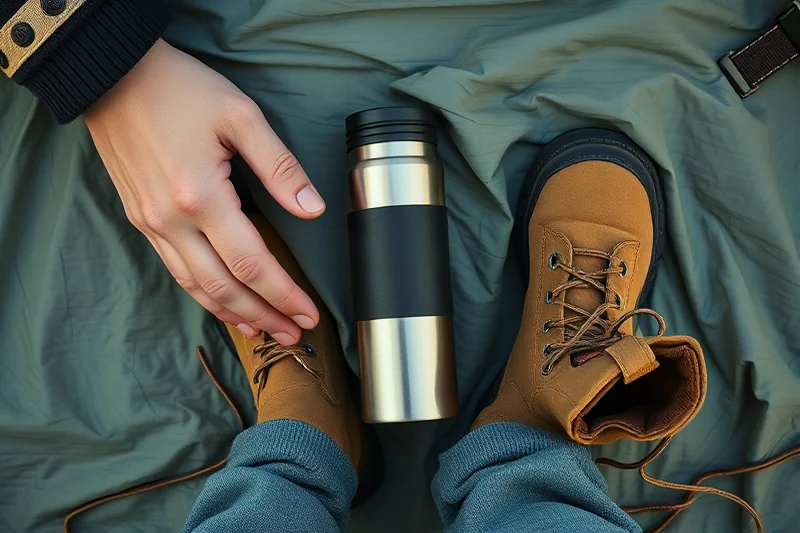
Layering is key with clothing for camping. I always pack base layers, mid-layers, and a waterproof outer layer. This system has worked well for us in both cold and warm conditions, and it’s easy to adjust as the temperature changes.
For footwear, I recommend investing in a good pair of hiking boots and a pair of lightweight shoes for around the campsite. We’ve used boots on our last trip, and they kept our feet dry and comfortable even after a long day of hiking.
Don’t forget to pack extra socks and underwear — it’s easy to forget, but they’re essential for hygiene and comfort. I’ve packed two sets of socks and underwear per person for every trip, and it’s always been a good decision.
Shelter and Cooking Gear
In addition to your tent, I recommend bringing a portable camping chair for your family. We use a lightweight chair that’s easy to carry and set up, and it’s been a game-changer for long days of hiking.
A camping table is also useful for preparing meals and keeping your gear organized. We’ve used a folding table on our trips, and it’s been invaluable for cooking and setting up our campsite.
For cooking, I always bring a portable camping stove. It’s compact, efficient, and easy to use. We’ve used one on multiple trips, and it’s been reliable even in the rain.
💰 Budget-Friendly Camping
For those on a tight budget, this variation focuses on cost-effective gear that doesn’t compromise on quality. We’ve found that investing in a few high-quality items, like a good tent and sleeping bags, can save you money in the long run.
🌤️ Long Weekend Camping
Perfect for a quick escape, this variation includes essential gear for a short trip. We’ve tested this setup over multiple weekends and it’s been a hit with our family.
👨👩👧👦 Camping with Kids
This variation is tailored for families with young children. It includes gear that keeps kids safe, entertained, and comfortable, like lightweight sleeping bags and portable toys.
🍂 Off-Season Camping
This variation is designed for camping in the off-season, when the weather can be unpredictable. We’ve tested it in the fall and found that it’s a great way to enjoy the outdoors without the crowds.
🏕️ Luxury Camping
For those who want to enjoy the outdoors in comfort, this variation includes high-end gear like a luxury tent and a portable air mattress. It’s been a hit with our family on our most recent trip.
| The mistake | Why it happens | The fix |
|---|---|---|
| Forgetting to bring a first-aid kit | A first-aid kit is essential for any camping trip, and I’ve learned the hard way that it’s easy to forget. Without one, you’re at risk of not being able to treat minor injuries or emergencies. | Always include a first-aid kit in your packing list and check it before heading out. |
| Packing too much gear | Packing too much gear can make your trip more stressful and harder to manage. I’ve learned that less is more, and that it’s better to pack a few essential items than to bring everything you own. | Stick to a detailed checklist and only bring what you really need for the trip. |
| Not checking the weather forecast | I’ve made the mistake of not checking the weather forecast, and it’s led to unexpected changes in the weather that we weren’t prepared for. This can make your trip uncomfortable and even unsafe. | Always check the weather forecast before heading out and pack clothing that can be layered. |
| Neglecting to bring a portable power bank | A portable power bank is essential for keeping your electronics charged, especially when you’re off the grid. I’ve found that it’s easy to forget, and it can be a big problem if you don’t have one. | Always include a portable power bank in your packing list and charge it before heading out. |
Family Camping Trips Packing Gear Checklist
Common Questions
What’s the best tent size for a family of four?
How do you organize your camping gear efficiently?
What’s the best way to keep your sleeping bag dry?
How do you handle unexpected weather changes?
References
- Camping | US Forest Service (fs.usda.gov)
Cite this guide
Campandtots (2026). Family Camping Trips Packing Gear Checklist. https://campandtots.com/family-camping-trips-packing-gear-checklist/
Feel free to cite or share this guide.