
What'S Car Camping
📖 Table of Contents
I still remember the first time I pulled into a pull-through site at a state park, the sun just beginning to set over the pine trees. My car was packed with a tent, sleeping bags, and a few essentials, and I had no idea what I was in for. What's car camping, you ask? It’s the perfect blend of adventure and comfort — a way to explore the great outdoors without having to rough it too much. For someone like me, who loves the idea of being in nature but also values a good night’s sleep, car camping is a revelation.
Unlike traditional backpacking or tent camping, car camping allows you to keep your gear, food, and even some creature comforts in your vehicle. It’s not about being fully immersed in the wilderness — it’s about finding a middle ground where you can enjoy the beauty of nature without sacrificing too much of your daily life. I’ve spent countless nights in my car at campgrounds, and each time, I’m reminded of how much more accessible and enjoyable outdoor experiences can be.
What's car camping is also about flexibility. You don’t have to plan for weeks, nor do you need specialized equipment. With a little bit of preparation, a car can transform into a temporary base for exploration. I’ve driven to remote spots, slept in my car, and walked miles each day — all while knowing I had a warm, dry place to return to each night. That’s the magic of car camping: it brings the outdoors to you, on your terms.
Why You'll Love This Adventure
- You can explore remote areas without the need for advanced gear or physical endurance.
- It’s a budget-friendly way to enjoy the outdoors, with minimal setup required.
- You can stay flexible with your itinerary, moving from spot to spot as you please.
- It's an excellent way to introduce the idea of camping to kids or first-time campers.
Getting Started: What You Need to Know
As of September 2026, before heading out, I recommend making a list of what you'll need: a sleeping bag, a sleeping pad, a camp stove, and a cooler. A tent isn't required, but it’s a good idea if you want more privacy or space. I've slept in my car during the colder months with a sleeping pad and a heavy blanket — it worked, though I wouldn’t recommend it for temperatures below freezing.
Choosing the right campsite is key. I look for places with pull-through sites, which make it easier to park and unload. I've stayed at several state parks and found that some offer basic amenities like restrooms, showers, and even campfires. It’s important to check the rules of the park — some don’t allow fires, while others have specific hours for them.
One of the best parts of car camping is the flexibility. I’ve driven from one location to another in a single day, moving between different parks or scenic spots. It's a great way to keep the experience dynamic and not too repetitive.
Look for pull-through sites and check park rules. This will save you time and hassle when you arrive.
The Benefits of Car Camping
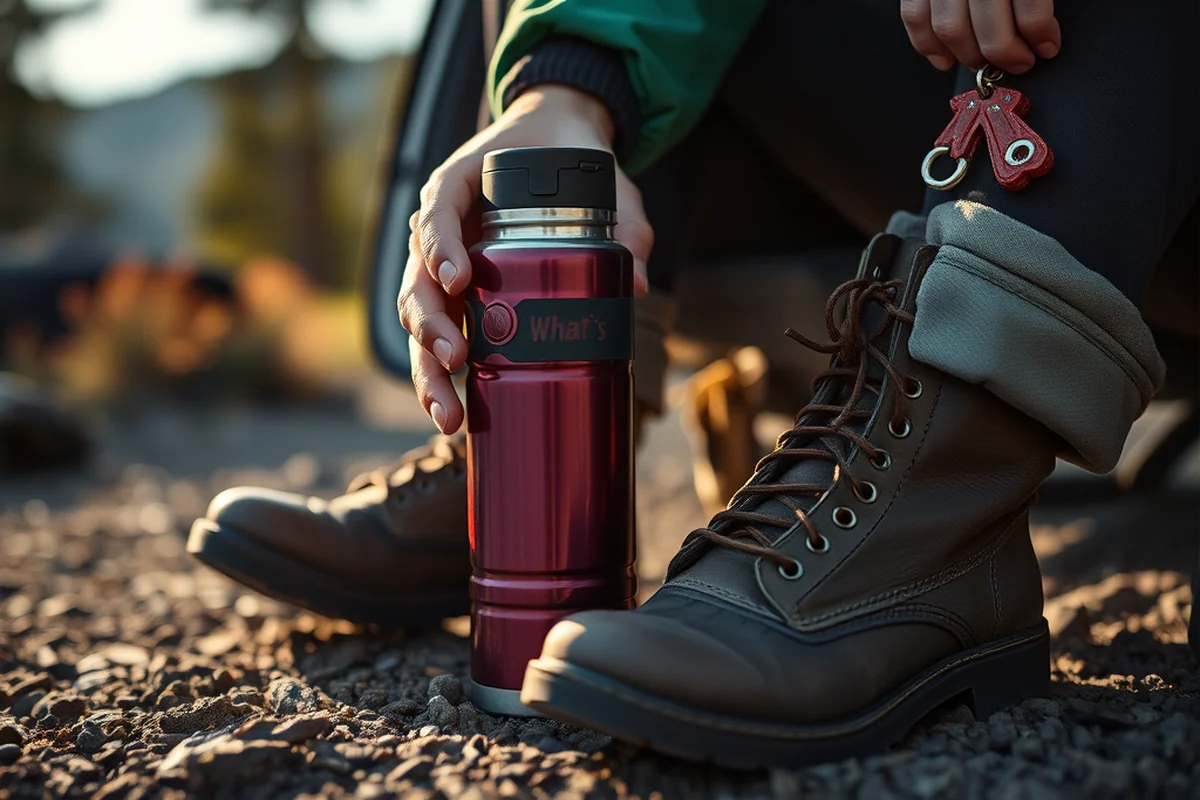
One of the biggest advantages of car camping is that you don’t have to carry all your gear on your back. I’ve hiked with a pack before, and while it’s a great workout, it’s not something I can do every day. With car camping, I can carry more, and I don’t have to worry about my physical limits.
Another benefit is that you can stay for longer periods without having to worry about resupplying. I've stayed for up to four days with just a few boxes of food and a small cooler. It’s not difficult to manage, and it’s a great way to test your ability to live simply.
I’ve also found that car camping is a great way to introduce the idea of camping to kids or people who are hesitant to try it. You can still have all the comforts of home, but with a bit of effort, you can immerse yourself in the outdoors.
Car camping is the best of both worlds — comfort and adventure.
Related: Best camper vans
Related: Portable power station camping
Related: What is the best inflatable tent
What to Pack: A Minimalist Guide
I usually pack a sleeping bag, sleeping pad, camp stove, cooler, and a few essentials like a flashlight, first-aid kit, and maps. I also bring a small tent if I'm planning to sleep in a different spot than my car. It’s important to keep your gear organized, so I use a small duffel bag to carry everything.
I recommend bringing a small camp stove for cooking. I've cooked simple meals like pasta, rice, and canned soups — they’re quick to prepare and don’t require much effort. I also bring a portable water filter, as it's important to have access to clean water.[1]
One thing I always pack is a first-aid kit and a flashlight. You never know when you might need them, and it’s better to be prepared. I also bring a small amount of cash in case the campsite doesn’t accept credit cards.
Avoid overpacking. Stick to essentials and keep your gear organized in a small duffel bag.
“I still remember the first time I pulled into a pull-through site at a state park, the sun just beginning to set over the pine…”— Campandtots editors
Related: Best small camper vans
Related: What to buy for a camper van
Choosing the Right Season for Car Camping
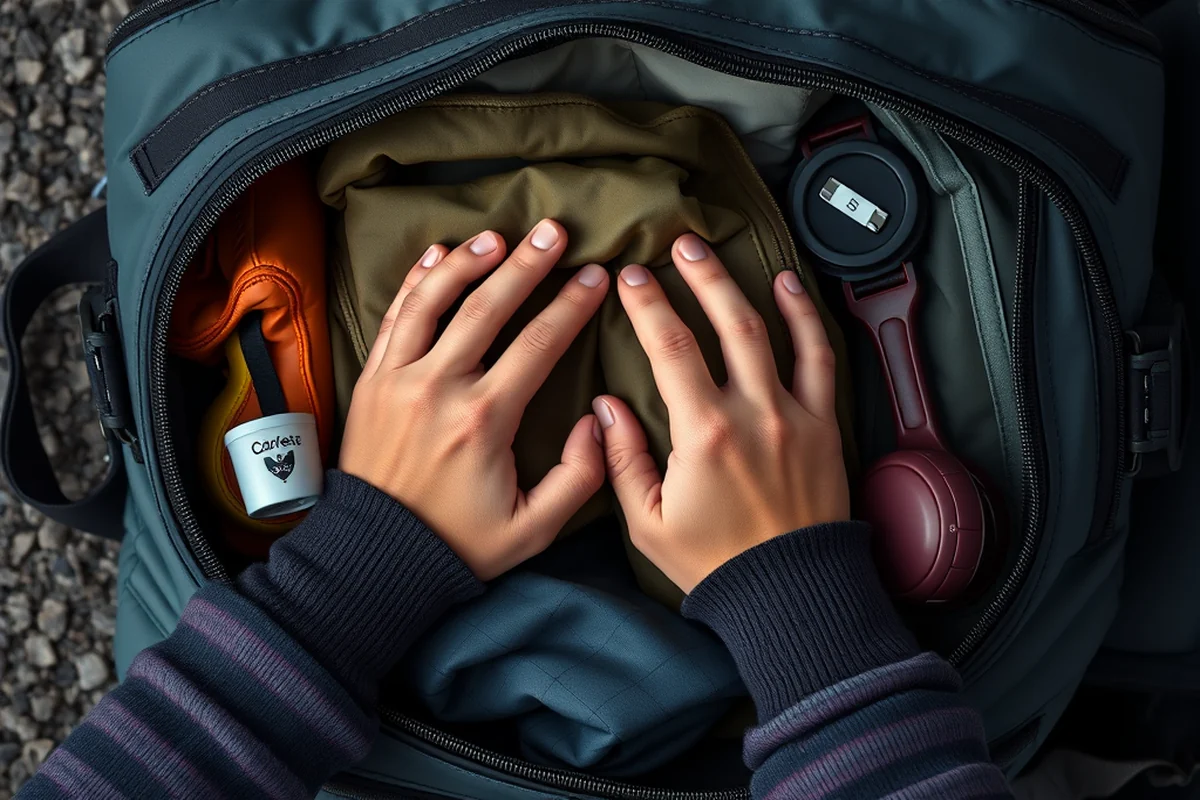
I’ve found that spring is one of the best times for car camping. The weather is mild, and the parks are often less crowded than in the summer. I’ve stayed at several state parks during the spring, and I’ve always been impressed by the beauty of the landscape during this time.
Summer is also a popular time for car camping, but it can be quite hot in some areas. I’ve had to deal with temperatures above 90°F in the Southwest, and it’s not comfortable. I recommend avoiding the hottest parts of the day and staying in shaded areas if possible.
Fall is another great time for car camping, as the temperatures are usually cooler and the colors of the leaves are at their peak. I’ve loved the experience of walking through a forest in the fall, with the leaves crunching underfoot and the air feeling crisp.
Finding the Perfect Campsite
I usually start by looking for state parks or private campgrounds that offer pull-through sites. These sites make it easier to park and unload your gear. I’ve also found that some national forests have designated areas for car camping, which can be a great option if you’re looking for more solitude.
I recommend checking the rules of the park before you go. Some parks don’t allow fires, while others have specific hours for them. I’ve had to deal with a situation where I was not allowed to have a fire, and I had to find an alternative way to cook.[2]
Another thing to consider is the location of the campsite. I prefer to stay near trails or scenic spots, so I can explore more easily. I’ve had some of my best experiences walking through the woods in the early morning, when the air is cool and the sun is just rising.
Staying Comfortable in Your Car
I’ve found that sleeping in your car is a bit different than sleeping in a tent. I recommend using a sleeping pad or a small air mattress to make it more comfortable. I’ve also found that using a sleeping bag helps to keep you warm, especially during the colder months.[3]
Another thing to consider is the temperature inside the car. I’ve had to deal with the car getting quite hot during the day, and it can be uncomfortable when you finally want to sleep. I recommend parking in a shaded area and using a sunshade if possible.
I also recommend bringing a small fan or a portable air conditioner if you’re planning to stay in the car for an extended period. I’ve used a small fan on several trips, and it’s helped to keep the air moving and make the experience more comfortable.
Comfort is key when sleeping in your car — bring a sleeping pad and sleeping bag.
Making the Most of Your Time in Nature
One of the best things about car camping is that you can explore the surrounding area without having to carry all your gear on your back. I’ve spent entire days hiking in the woods, knowing that I had a warm, dry place to return to each night.
I recommend planning your itinerary in advance. I’ve had some of my best experiences when I’ve planned out where I want to go each day. It helps to avoid getting lost and makes the experience more enjoyable.
Another thing to consider is the time of day. I’ve found that the best times to explore are in the early morning or late afternoon, when the sun is not as harsh. I’ve had some incredible experiences walking through the woods in the early morning, with the sun just rising and the air feeling fresh.
💰 Budget Car Camping
Car camping on a budget is possible with careful planning and the right gear. I’ve stayed for a week with just a sleeping pad, sleeping bag, and a small cooler — it cost me less than $300.
⛺ Long Weekend Adventure
A long weekend car camping trip is a great way to escape the hustle and bustle of daily life. I’ve spent three nights in a state park, hiking during the day and relaxing in the evening.
👨👧👦 Car Camping with Kids
Car camping is a great way to introduce kids to the outdoors. I’ve taken my daughter on several trips, and she’s loved the experience of sleeping in a car and exploring the woods.
🍂 Off-Season Car Camping
Car camping during the off-season can be a great way to enjoy the outdoors without the crowds. I’ve had some of my best experiences in the fall, when the temperatures are cooler and the scenery is at its peak.
🚗 Luxury Car Camping
Luxury car camping is all about comfort and convenience. I’ve stayed in a high-end RV for a few days, and it’s been a great way to enjoy the outdoors without sacrificing too much of my daily life.
| The mistake | Why it happens | The fix |
|---|---|---|
| Overpacking your car | Overpacking can make your car uncomfortable and difficult to move around in. It can also make it harder to find your gear when you need it. | Pack only what you need and keep your gear organized. Use a small duffel bag to carry your essentials. |
| Not checking the park rules | Some parks don’t allow fires, and others have specific hours for them. I’ve had to deal with a situation where I was not allowed to have a fire, and it was a bit inconvenient. | Check the rules of the park before you go. It will save you time and hassle when you arrive. |
| Not bringing enough food and water | Not having enough food and water can be a big problem, especially if you’re staying for multiple days. I’ve had to deal with the situation where I didn’t have enough food and had to find an alternative way to get it. | Bring enough food and water for your trip. I recommend bringing a small cooler and a portable water filter. |
| Not being prepared for the weather | Not being prepared for the weather can lead to discomfort and even danger. I’ve had to deal with the car getting quite hot during the day, and it was uncomfortable when I finally wanted to sleep. | Check the weather forecast before you go. Bring a small fan or a portable air conditioner if you’re planning to stay in the car for an extended period. |
What'S Car Camping
Common Questions
Do I need a tent for car camping?
What are the best places to car camp?
Can I cook while car camping?
What should I pack for a car camping trip?
References
- NEISS Coding Manual JULY 2023 (cpsc.gov)
- Camping Rules | Wisconsin State Park System (dnr.wisconsin.gov)
- Overnight Sleeping Information | Corvallis Oregon (corvallisoregon.gov)
Cite this guide
Campandtots (2026). What'S Car Camping. https://campandtots.com/what-s-car-camping/
Feel free to cite or share this guide.