
Camping Packing List
📖 Table of Contents
I remember the first time I packed for a camping trip. I thought I had it all figured out—tent, sleeping bag, flashlight. But by the end of the first day, I was sweating, my shoes were soaked, and I had forgotten my sunscreen. It wasn't until I made a detailed camping packing list that I realized how easy it is to overlook the small but essential things. A good list can be the difference between a blissful trip and a chaotic disaster.[1]
Creating a camping packing list is like writing a survival manual for your adventure. It’s not just about what you bring—it’s about what you bring in the right amounts, in the right places, and with the right mindset. I’ve been on trips where I forgot a lighter, or packed too much gear and got lost in the weight, or even forgot to bring a reusable water bottle. It’s in these moments that the value of a well-thought-out camping packing list becomes clear.[2]
Over the years, I've refined my list based on real experience—whether it's the 4-day trip to the mountains or the weekend getaway near the lake. The list isn’t static; it changes with the season, the terrain, and your personal needs. This article is my attempt to share that knowledge with you, in the hope that your trip will be as stress-free and enjoyable as possible.
Why You'll Love This Camping Packing List
- Prevents forgotten essentials like matches and toiletries.
- Saves time by organizing gear into categories.
- Ensures comfort with the right clothing for weather conditions.
- Helps you pack lighter by eliminating unnecessary items.
The Essentials You’ll Never Want to Forget
As of September 2026, every trip starts with the basics: a reliable tent, a sleeping bag rated for the weather, and a sleeping pad for comfort. These items are your shelter and sanctuary, so they need to be in good condition and properly packed. On my last 4-day trip, I brought a 0-degree sleeping bag and a foam pad, and it made all the difference when temperatures dropped unexpectedly.
Lighting and fire-starting tools are also essential. A headlamp is a game-changer—it frees your hands, and it’s much safer than using a flashlight. I always pack two lighters, a firestarter, and a small axe in case we need to build a fire. On one trip, I forgot the lighter, and we had to borrow from a nearby campsite, which was inconvenient.
Toiletries are another essential category. A small toothbrush, biodegradable soap, and a travel-sized towel are all you need. I make sure I pack a small first-aid kit too, which I’ve used to treat a minor scrape and insect bites. It’s not glamorous, but it’s lifesaving.
Always check your list before leaving home. Even if you think you have everything, a quick review can prevent forgotten essentials.
Part of our Family camping trips packing gear guide.
Clothing That Keeps You Comfortable
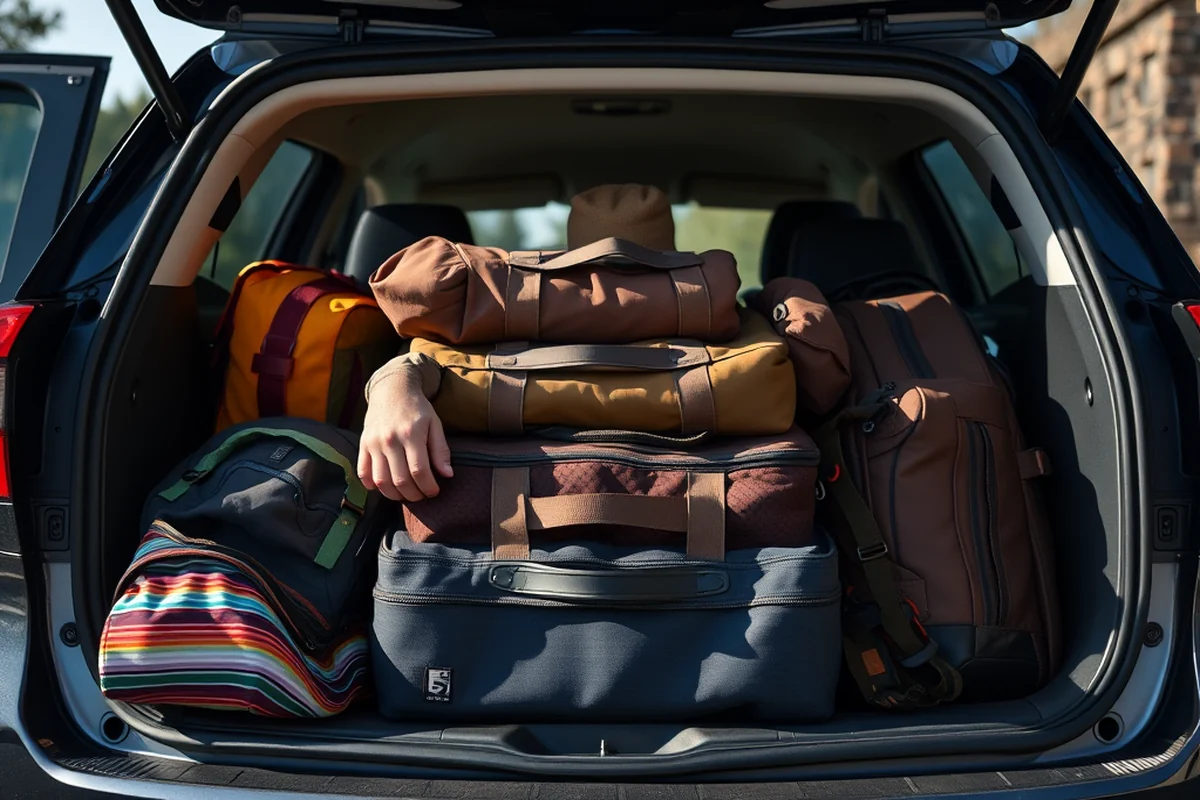
Layering is key when you’re camping. I always pack a base layer (like a long-sleeved shirt), a mid-layer (a fleece or down jacket), and an outer layer (a waterproof jacket). On a recent trip to the mountains, I wore this system and stayed warm even when the temperature dropped to 20 degrees Fahrenheit.[3]
Footwear is another important category. I bring a pair of sturdy hiking boots, a pair of sandals for camp, and a pair of wool socks. The boots are for hiking, the sandals for sitting around the fire, and the socks are for keeping my feet dry and warm. I’ve learned the hard way that not having the right socks can lead to blisters.
Don’t forget your hat and gloves. A wide-brimmed hat is essential for sun protection, and gloves can keep your hands warm in cold weather. I once forgot my gloves on a cold spring night and spent the rest of the trip with numb fingers.
Layering is the key to staying comfortable in any weather.
Related: Family camping trips packing gear ideas
Related: Family camping trips packing gear that actually work
Related: Best family camping trips packing
Related: Budget family camping trips gear
Electronics and Navigation Tools
A charged phone is one of the most important items on your camping packing list. I always bring a portable power bank, which I’ve used to stay connected in areas with no cell service. On one trip, I had to call for help when I twisted my ankle, and my phone and power bank were lifesavers.
Navigation tools are also essential. I bring a paper map, a compass, and a GPS app on my phone. Even if I have GPS, I always carry a paper map as a backup. I’ve learned that relying solely on a phone can be risky if the battery dies or the signal is lost.
A camera is another useful tool. I bring a lightweight, weatherproof camera to capture the beauty of the landscape. It’s not just for memories—it helps me document my trip and track my progress.
Always bring a power bank and a paper map. Electronics are great, but they’re not infallible.
“I remember the first time I packed for a camping trip.”— Campandtots editors
Related: Best family camping trips packing gear
Food and Water: Planning Ahead
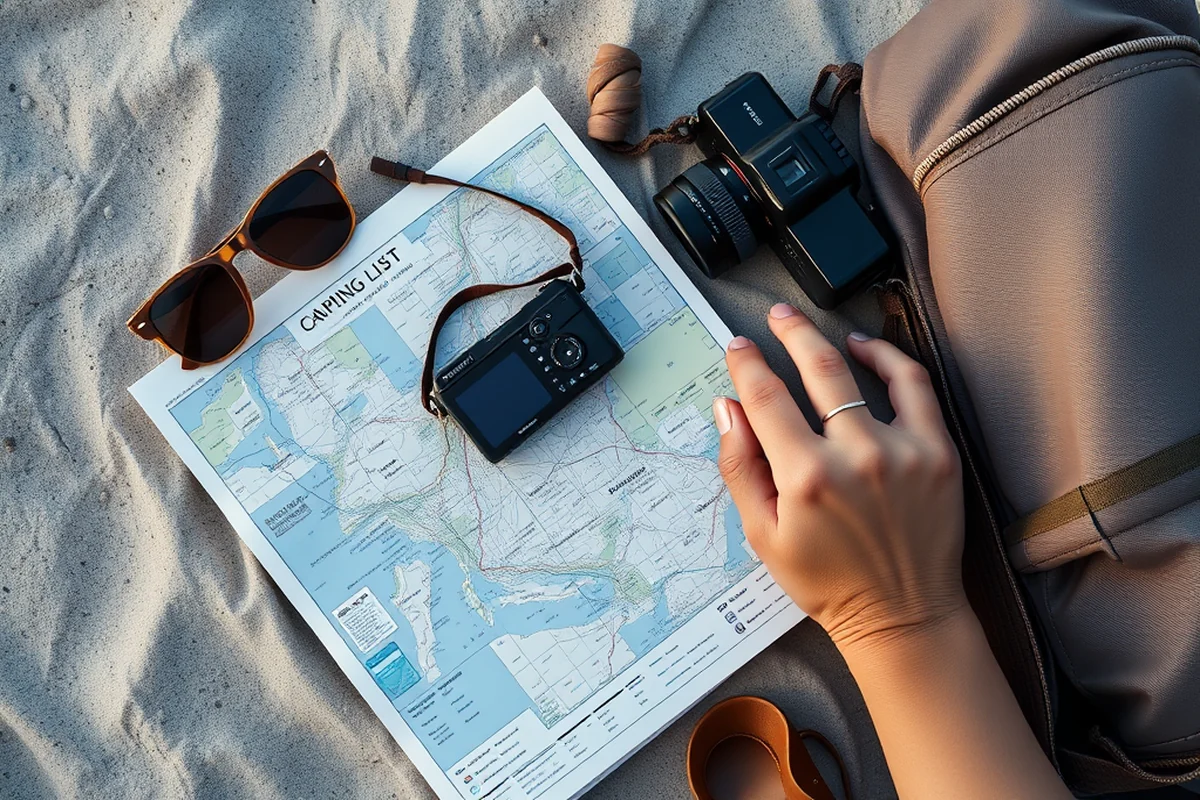
I pack a mix of dehydrated meals, energy bars, and fresh food. Dehydrated meals are easy to prepare, and energy bars are great for quick snacks. I always bring a reusable water bottle and a water filter, which can help save money and reduce plastic waste. On a recent trip, I used my water filter and saved over $30 in bottled water costs.
I make sure I have enough food for the entire trip, and I always bring extra. It’s easy to underestimate how much you’ll eat, and I’ve learned the hard way that going hungry is not fun. I also bring a small cooler with ice for perishable items.
I avoid packing too many perishable items, especially in warm weather. Spoiled food is not only unpleasant but can be a health risk. I’ve had to throw out a few meals due to improper storage, which is both wasteful and inconvenient.
Tools and Repair Kits
A basic tool kit is essential for any camping trip. I bring a multi-tool, a small knife, a sewing kit, and a repair kit for tents and sleeping bags. These items have come in handy more than once. I once used my multi-tool to fix a broken zipper, and I’ve used my sewing kit to mend a torn tent.
I also bring a small first-aid kit, which includes bandages, antiseptic wipes, and pain relievers. It’s not glamorous, but it’s necessary. I’ve used it to treat a minor cut and a bee sting, and it made all the difference.
A repair kit is also important. I have a small kit with patches, thread, and glue for fixing tents, sleeping bags, and backpacks. I’ve used it to patch a hole in my tent, and it saved me from getting wet during a sudden rainstorm.
Personal Care and Hygiene
I pack a small toiletry kit with biodegradable soap, a toothbrush, and a small towel. I also bring a small mirror and a comb. These items may seem small, but they can make a big difference in your comfort and confidence.
I bring a small bottle of hand sanitizer and a few wet wipes for cleaning up after meals or using the bathroom. I’ve found that keeping your hands clean is essential for preventing illness, especially in remote areas where access to clean water may be limited.
I also bring a small bottle of sunscreen and a hat for sun protection. I’ve learned that sunburn can ruin a trip, and even a small amount of protection can make a big difference.
A little bit of hygiene goes a long way in the wild.
Entertainment and Comfort
I always bring a book, a deck of cards, or a small game. These items can keep you entertained during the day or around the campfire at night. I’ve found that a good book can be the perfect way to unwind after a long day of hiking.
I also bring a small speaker for music, which can be a great way to keep the mood light and positive. I’ve used it to play music while cooking or sitting around the fire, and it’s been a hit with my friends.
A camp chair is also a great addition to your packing list. It’s not essential, but it can make a big difference in your comfort. I’ve used it to sit and read in the sun or to relax after a long day of hiking.
💰 Budget Camping
Travel light and spend less with a camping trip that prioritizes simplicity and affordability.
📅 Long Weekend Getaway
Pack for a short but fulfilling trip with just enough gear to enjoy the outdoors without overcomplicating things.
👨👩👧👦 With Kids
Tailor your camping packing list to keep kids entertained and safe on the trail.
❄️ Off-Season Adventure
Adjust your list for colder or wetter conditions, and don’t forget the extra layers and gear.
🏨 Luxury Camping
Elevate your trip with comfort items like a luxury sleeping bag, a camp chair, and a portable heater.
| The mistake | Why it happens | The fix |
|---|---|---|
| Forgetting a headlamp or flashlight. | Without lighting, it's hard to navigate at night or find your way back to camp. | Always pack a headlamp and keep it charged. It’s a small item but essential for safety. |
| Packing too much and getting lost in the weight. | Too much gear can be overwhelming and make it hard to move freely. | Only pack what you need and use lightweight, compact items to reduce your load. |
| Not bringing enough layers for the weather. | Not being prepared for sudden temperature changes can lead to discomfort and illness. | Always pack layers and check the weather forecast before your trip. |
Camping Packing List
Common Questions
How do I stay organized with my camping gear?
What should I pack for a cold-weather trip?
How much food should I bring for a 4-day trip?
What are some essential items I should never forget?
References
- Mother–Child Joint Conversational Exchanges During Events - PMC (pmc.ncbi.nlm.nih.gov)
- How to Prepare for a Camping Trip – The Bookshelf - Cornell blogs (blogs.cornell.edu)
- Adirondack Backcountry - Department of Environmental Conservation (dec.ny.gov)
Cite this guide
Campandtots (2026). Camping Packing List. https://campandtots.com/camping-packing-list/
Feel free to cite or share this guide.