
What Is A Roof Top Tent
📖 Table of Contents
I remember the first time I lugged a rooftop tent onto my truck, my arms shaking with the weight and my mind buzzing with questions. What was I supposed to do with it? How would it fit? What even was a rooftop tent? It wasn’t until I unzipped it on a clear spring evening, standing with my feet on the gravel of a remote campsite, that I finally understood. A rooftop tent isn’t just a sleeping spot—it’s a portal to a different kind of travel, one where the sky feels closer and the ground beneath you is more alive than ever before. And I’ve never looked back.[4]
Rooftop tents are not for the faint of heart. They demand a certain kind of traveler—someone who craves adventure, who doesn’t mind a few extra kilograms in the truck bed. Who’s willing to brave the elements with a sleeping bag and a headlamp. But if you’re that kind of person, you’ll quickly learn that a rooftop tent is more than just a luxury. It’s a game-changer. It’s the difference between setting up camp in a cramped, awkward tent on the ground and waking up in a space that’s elevated, secure. Almost like a tiny home above the earth.[5]
There’s something oddly comforting about sleeping above the ground, where the world feels both distant and intimately close. I’ve spent weeks on the road with my rooftop tent, and I’ve learned that it’s not just about convenience—it’s about freedom. Freedom from the bugs, freedom from the rain, freedom from the worry of a tent collapsing in the wind. And it’s about the view. I remember one night, watching the sun dip below the horizon in a valley that seemed to stretch forever. That’s when I realized: a rooftop tent isn’t just a piece of gear. It’s a way of life.
Why You'll Love This Adventure
- Experience the world from a unique vantage point, high above the ground.
- Enjoy a more stable and secure sleeping arrangement in unpredictable weather.
- Say goodbye to ground-level discomfort like insects, moisture, and uneven terrain.
- Create a personal space that feels more like a cabin than a traditional tent.
What Exactly Is a Rooftop Tent?
As of September 2026, a rooftop tent is like a small cabin on wheels, designed to be attached to the roof of your vehicle. Unlike traditional tents, which are pitched on the ground, rooftop tents are mounted directly on the roof of your car or truck, providing a more stable and elevated sleeping experience. These tents are typically made of durable materials like UV-resistant fabric, aluminum frames, and high-density foam for insulation. When you open the door, you’re greeted with a small but functional interior that includes a sleeping area, storage compartments, and sometimes even a small kitchenette.
I remember the first time I set mine up. It took about 15 minutes, and I was amazed at how quickly it transformed from a compact box into a fully functional sleeping space. The difference between a rooftop tent and a regular tent is night and day. With a rooftop tent, you don’t have to worry about flooding, wind, or bugs. You’re safe and secure, no matter what the weather throws at you.[1]
The best part? You can sleep soundly without the fear of your tent being damaged by a passing animal or a sudden gust of wind. And when you wake up, you’re elevated above the ground, with a view that feels like the whole world is yours.
Before buying a rooftop tent, measure your vehicle’s roof dimensions. Some tents are designed for specific truck models, and a mismatch can cause issues with stability and weight distribution.
The Benefits of a Rooftop Tent
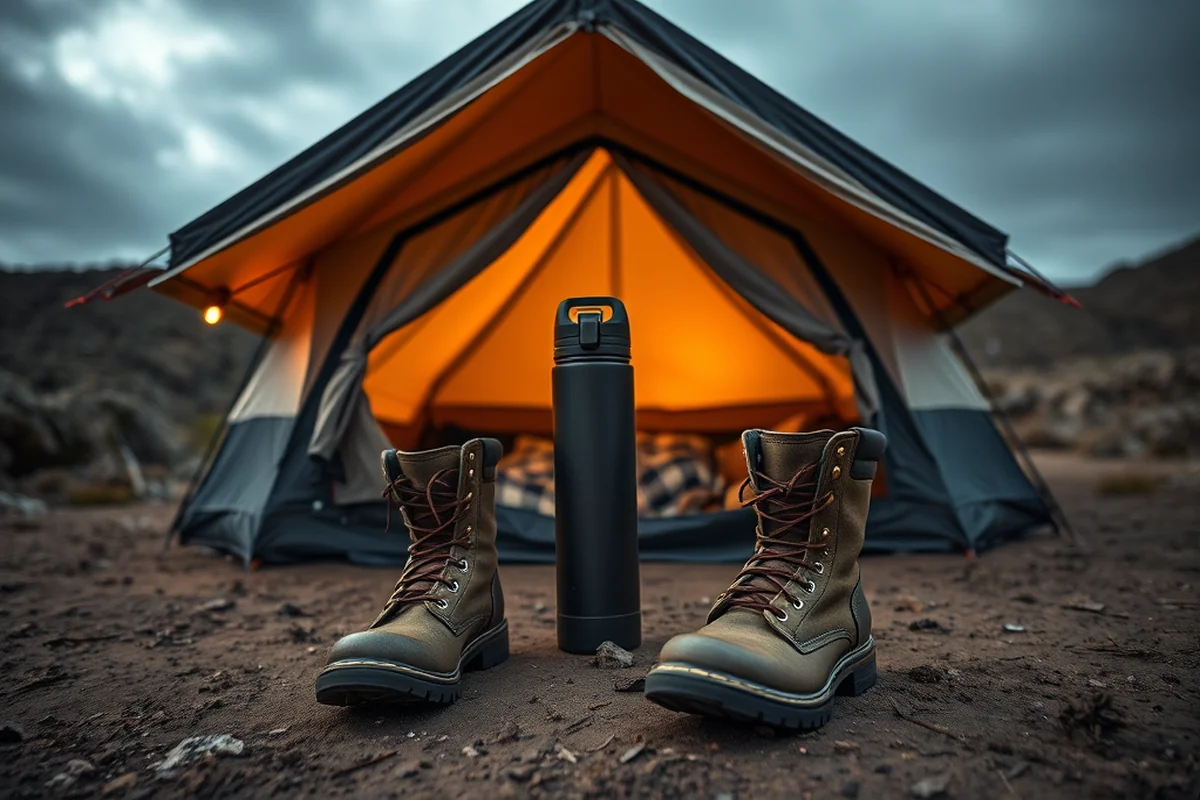
One of the biggest advantages of a rooftop tent is the sense of security and privacy it provides. With a rooftop tent, you’re elevated above the ground, which means you’re safe from ground-level dangers like snakes, insects, and flooding. You also have more privacy, as your sleeping area is above the rest of your campsite, and you’re not as visible to passersby.
I’ve found that sleeping in a rooftop tent is much more comfortable than traditional camping. The tent is elevated, so you’re not lying on the cold ground, and the materials used are often more insulated, which keeps you warmer during the night. Plus, you can actually enjoy the view from your tent—whether it’s a mountain range, a desert, or the ocean, the experience is unforgettable.
In my opinion, one of the best things about a rooftop tent is that it allows you to sleep in a way that feels more like a real bed. The sleeping area is often padded, and the tent is designed to be more spacious than a regular tent. It’s like having a tiny cabin on your roof.
Sleep like a king, even when the world is wild.
Related: What s car camping
How to Set Up a Rooftop Tent
Setting up a rooftop tent is easier than you might think. First, you’ll need to make sure your vehicle is parked on a flat, stable surface. Next, attach the tent to the roof using the provided mounting brackets. Once it’s securely fastened, you can open the tent, unfold the frame, and lock it into place. Finally, you can unroll the tent floor and set up any additional accessories like a sleeping pad or a small table.
I’ve set up my rooftop tent on multiple occasions, and each time, the process took around 15-20 minutes. It’s not a complicated task, and once you’ve done it a few times, it becomes second nature. The key is to follow the manufacturer’s instructions carefully and make sure all the components are properly secured.[2]
One tip I learned the hard way is to always make sure the tent is fully locked and secured before driving. I once forgot to lock my tent, and it came loose during a bumpy drive, which was a real nightmare to fix. Always double-check your setup before hitting the road.
Even the smallest oversight can lead to a dangerous situation. Always ensure your tent is fully locked and secured before driving. This is a crucial step that should never be rushed.
“I remember the first time I lugged a rooftop tent onto my truck, my arms shaking with the weight and my mind buzzing with questions.”— Campandtots editors
Related: What is best camper van
Choosing the Right Rooftop Tent for You

When choosing a rooftop tent, it’s important to consider the size of your vehicle and the type of adventure you’re planning. If you’re going on a long trip with multiple people, you’ll want a larger tent that can accommodate more people. If you’re just planning a short weekend getaway, a smaller, more compact tent might be the way to go.
I’ve found that the right rooftop tent can make or break your camping experience. A tent that’s too small can be uncomfortable, while a tent that’s too large can be difficult to set up and store. It’s also important to consider the weight and durability of the tent. A heavier tent might be more stable, but it could also affect your vehicle’s fuel efficiency.
Another factor to consider is the materials used in the tent. Look for a tent that’s made of high-quality, UV-resistant fabric and has a sturdy frame. These materials will ensure that your tent lasts for years and can withstand harsh weather conditions.
Related: Best camper vans
The Cost of a Rooftop Tent
The cost of a rooftop tent can vary widely depending on the brand, size, and materials used. On average, a basic rooftop tent can cost anywhere from $1,000 to $3,000, while more advanced models with additional features like built-in sleeping pads or integrated kitchens can cost upwards of $5,000.[3]
I’ve spent a lot of time researching different rooftop tents, and I’ve found that the price is often tied to the quality and durability of the tent. A more expensive tent might be worth the investment if you’re planning to use it frequently or for long trips. However, if you’re just planning a few weekend getaways, a more affordable tent might be a better option.
In my experience, the most expensive rooftop tents are often the ones with the most features. These include things like built-in storage compartments, solar panels, and even small kitchens. If you’re planning to travel for extended periods, these features can be a game-changer.
Related: Best small camper vans
Rooftop Tents vs. Traditional Tents
One of the main differences between a rooftop tent and a traditional tent is the level of security and comfort they provide. A rooftop tent is mounted on your vehicle, so you’re not at risk of it being stolen or damaged by the elements. A traditional tent, on the other hand, is pitched on the ground and is more vulnerable to wind, rain, and even animals.
I’ve had the experience of pitching a traditional tent in the rain, and it was a nightmare. The rain would pour in, and I was constantly getting up to check on the tent. With a rooftop tent, I’ve never had to worry about that. The tent is protected from the elements, and I can sleep soundly without the fear of being woken up by a sudden storm.
In terms of comfort, a rooftop tent is often more spacious and has better insulation than a traditional tent. The elevated position means you’re not lying on the cold ground, and the materials used in the tent are often more durable and comfortable.
A rooftop tent is the difference between a nightmare and a dream.
Related: Best small travel trailers
The Best Time to Use a Rooftop Tent
The best time to use a rooftop tent depends on the season and the type of adventure you’re planning. Spring and fall are often considered the best times for camping, as the weather is milder and the chances of extreme weather are lower. In the summer, you can enjoy the warmth of the sun, but you’ll need to be prepared for the heat. In the winter, rooftop tents can still be used, but you’ll need to ensure that the tent is properly insulated and that you have the right gear.
I’ve found that the best time to use a rooftop tent is during the spring or fall. The weather is more predictable, and the temperatures are comfortable. I’ve also used my rooftop tent in the summer, and while it was warm, I was able to stay comfortable by using a sleeping pad and a good-quality sleeping bag.
In the winter, I’ve used my rooftop tent as well, but I had to make sure that it was properly insulated. I also had to be careful about the snow load, as too much snow on the tent could be dangerous. Overall, a rooftop tent can be used year-round, but you’ll need to be prepared for the different weather conditions.
🏕️ Budget Adventure
A minimalist camping experience, perfect for those who want to explore without breaking the bank.
🌲 Long Weekend Escape
A quick but immersive getaway, ideal for those who want to disconnect from daily life and reconnect with nature.
👨👩👧👦 Family Fun
A spacious and secure camping option, perfect for families with kids who want to explore the outdoors together.
🍂 Off-Season Adventure
A unique way to explore the world during the off-peak season, when prices are lower and the crowds are fewer.
🏰 Luxury Escape
A high-end camping experience with all the comforts of home, perfect for those who want to travel in style.
| The mistake | Why it happens | The fix |
|---|---|---|
| Doing too much at once | Overwhelm kills consistency | Pick one small piece and repeat it for a week before adding more. |
| Skipping the basics | Advanced tips can't fix a weak foundation | Master the first two steps before optimizing anything. |
What Is A Roof Top Tent
Common Questions
What is the weight limit for a rooftop tent?
Can I use a rooftop tent on a van or truck?
Are rooftop tents weatherproof?
How long does it take to set up a rooftop tent?
References
- Clear creek RV Park Rules - City of Golden, Colorado (cityofgolden.gov)
- Creating More “Places to Pause” on Campus (cmu.edu)
- TENT, CANOPY, AND MEMBRANE STRUCTURE SUBMITTAL ... (corinthtx.gov)
- Everything you need to know about James River's Rooftop Tent Rally (dcr.virginia.gov)
- A car tent is the must-have accessory for your next micro-adventure (desis.osu.edu)
Cite this guide
Campandtots (2026). What Is A Roof Top Tent. https://campandtots.com/what-is-a-roof-top-tent/
Feel free to cite or share this guide.