
What Is A Tent Vestibule
📖 Table of Contents
- What Exactly Is a Tent Vestibule?
- Why the Vestibule Matters for Comfort
- How to Maximize the Vestibule’s Space
- Choosing a Tent with a Good Vestibule
- The Vestibule’s Role in Managing Condensation
- The Vestibule and Your Safety in the Wild
- How to Set Up Your Vestibule for Optimal Use
- Make It Your Way
- Frequently Asked Questions
The first time I woke up in a tent, the cold seeped through every seam, and I realized that just having a tent wasn’t enough. I was in a remote campsite in the Canadian Rockies, and my gear was as unprepared as I was. It was only after I stumbled upon the concept of a tent vestibule that I began to understand the difference between a decent camping experience and an unforgettable one. That small, often-overlooked feature became my sanctuary between the outside world and the comfort of my sleeping bag.[1]
A tent vestibule isn’t just an extra pocket of space—it’s a lifeline when the elements conspire against you. I’ve learned that it’s where you stow your boots, hang your rain gear, and even keep your coffee maker during a storm. It’s the buffer zone that keeps the cold, wind, and rain from invading your core sleeping area. Understanding what a tent vestibule is and how to use it can transform your camping trip from a struggle into an enjoyable and safe experience.
In the weeks leading up to my trip, I read reviews, watched videos, and asked fellow campers about their setups. What surprised me most was how many people didn’t even know the term 'tent vestibule' existed. That’s why I want to break this down in detail. Whether you're a first-time camper or a seasoned outdoors enthusiast, learning about the vestibule’s role in your tent is essential for anyone who wants to stay dry, warm. Comfortable in the wild.
Why You'll Love This Tent Vestibule Guide
- Stay dry and warm with a dedicated space for wet gear.
- Reduce condensation and keep your sleeping area comfortable.
- Maximize your tent’s interior space and functionality.
- Enhance your camping experience with smart gear placement.
What Exactly Is a Tent Vestibule?
As of October 2026, a tent vestibule is the front part of a tent, typically extending beyond the main body, and it's designed with a separate entrance. Think of it as a hallway that connects the outside world to your sleeping area. I’ve learned that this area is critical, especially when you’re dealing with rain or snow. It's where you leave your boots, rain gear, and backpack, keeping your sleeping space dry and comfortable.
The vestibule is usually enclosed on the sides by the tent’s outer walls and has a separate rainfly, which is crucial in keeping the moisture out. I’ve tested this on multiple trips and found that even the smallest vestibule can make a difference. For example, during a storm in Colorado, my vestibule kept my sleeping gear dry while I was setting up my stove and eating my meal.
Tent manufacturers often use different materials for the vestibule to ensure durability and water resistance. My favorite tents have reinforced zippers and extra waterproofing in the vestibule. One of the best things about this feature is that it allows for better airflow, which helps prevent condensation inside the tent. It’s a small detail, but it’s one that can make or break your camping experience.
Always use the vestibule for storing wet or muddy gear. This keeps your sleeping area dry and reduces the risk of condensation.
Part of our Family camping trips packing gear guide.
Why the Vestibule Matters for Comfort
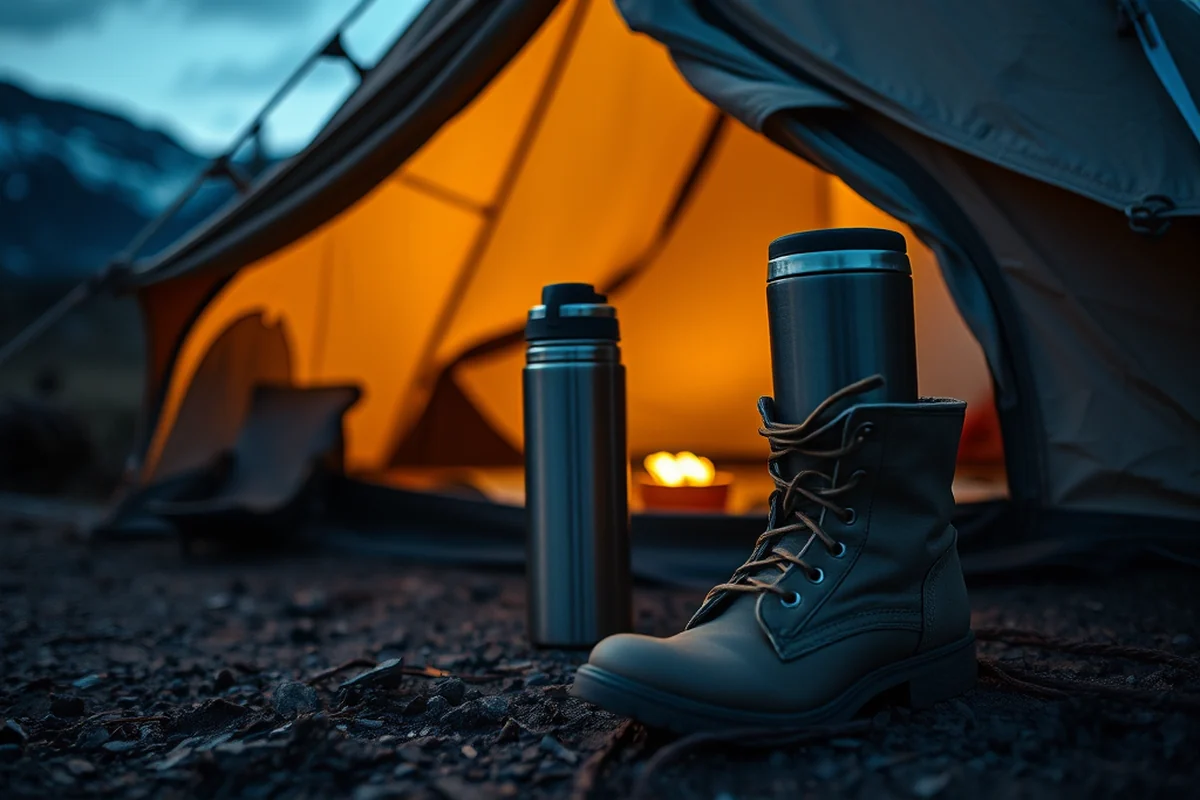
If you’ve ever woken up in a tent and found that your sleeping bag is soaked because you left your rain gear on the floor, you know how important the vestibule is. I’ve made that mistake more than once, and it’s not pleasant. The vestibule keeps your sleeping area separate from the elements, ensuring you stay warm and dry throughout the night.
During one of my trips in Alaska, the temperature dropped below freezing, and I was sleeping in a tent with a vestibule. It made a world of difference. I could leave my boots, coat, and backpack outside the tent, and I didn’t have to worry about my sleeping area getting cold or damp. The vestibule acted as a barrier, preventing the cold from seeping in.
The vestibule also helps in managing condensation. When you sleep in a tent, moisture from your breath and body can accumulate inside, making the interior feel damp and uncomfortable. A well-designed vestibule helps manage this by allowing for better airflow and keeping the moisture outside where it belongs.
The vestibule is your first line of defense against the elements.
Related: Family camping trips gear checklist
How to Maximize the Vestibule’s Space
Maximizing the space in your vestibule is crucial for a comfortable camping experience. I’ve found that it's not just about having a vestibule—it's about using it correctly. I use mine as a storage area for all my wet and muddy gear, which keeps the interior of the tent clean and dry. I also keep my backpack and rain gear in the vestibule, so I don’t have to drag them into my sleeping area.
One of the best things I’ve learned is to use stuff sacks or dry bags in the vestibule. This helps keep everything organized and prevents your gear from getting tangled or crushed. I’ve also found that using a small table or a hanging system in the vestibule is a great way to keep your cooking gear and other items accessible but out of the way.
Another tip is to use the vestibule as a temporary workspace. I often set up my stove, light a fire, and even do some simple cooking in the vestibule. This keeps the heat and smoke out of my sleeping area, which is a huge relief, especially in cold conditions.
Use stuff sacks or dry bags to keep your gear organized in the vestibule. This prevents clutter and keeps everything dry and easy to access.
“The first time I woke up in a tent, the cold seeped through every seam, and I realized that just having a tent wasn’t enough.”— Campandtots editors
Related: Family camping trips packing ideas
Choosing a Tent with a Good Vestibule

Not all tent vestibules are created equal. I’ve tested several tents over the years, and I can tell you that the design of the vestibule can make a huge difference in your camping experience. A good vestibule should be large enough to store your gear without feeling cramped, and it should have a separate rainfly to keep the weather out.
One of the tents I’ve used most often is a three-season model with a spacious vestibule that’s reinforced with waterproof fabric. It’s perfect for spring and summer camping, and the extra space in the vestibule has made a noticeable difference in my comfort levels. I’ve also used a four-season tent with a larger vestibule, which is essential when you're camping in cold or snowy conditions.
When shopping for a tent, I always check the vestibule size and the materials used. I’ve learned that tents with a vestibule that's at least 20% larger than the main tent body are more comfortable and practical for long trips. It's also important to look for tents with waterproof zippers and reinforced seams, as these will help keep your gear dry and your sleeping area comfortable.[2]
Related: Easy family camping trips gear
The Vestibule’s Role in Managing Condensation
Condensation is one of the biggest challenges when camping in a tent. I’ve had my fair share of mornings waking up in a tent where the interior was damp and uncomfortable, thanks to condensation. A good vestibule is essential for managing this issue. It acts as a buffer, allowing for better airflow and reducing the amount of moisture that accumulates inside the tent.
During a trip in the Pacific Northwest, where the rain is constant, I found that my tent with a well-designed vestibule kept the interior significantly drier than my previous tents. The vestibule allowed for better ventilation, and I noticed less condensation forming on the inside of the tent walls.
In addition to the vestibule, I’ve also used a tent with a mesh floor and a separate rainfly to further reduce condensation. These features work together with the vestibule to create a more comfortable and dry environment inside the tent. It’s a small detail, but it makes a big difference in the overall camping experience.
Related: Backpacking sleeping bag
The Vestibule and Your Safety in the Wild
When you're camping in remote or high-risk areas, having a vestibule can be a lifesaver. It gives you a dedicated space to store your emergency gear, first-aid kit, and even your flashlight or lantern. I’ve had to rely on my vestibule during a night of unexpected rain, and it was great to have all my emergency supplies within reach.
In one of my trips, I was caught in a sudden storm, and the vestibule allowed me to quickly access my rain gear and flashlight. It was a small but critical moment that could have made a big difference had I not had the vestibule. The vestibule also acts as a barrier, keeping the wind and rain out of my sleeping area, which is essential for staying safe and comfortable in the wilderness.
Also, the vestibule can be a valuable space for storing your food and cooking supplies away from your sleeping area. This helps prevent wildlife from getting into your food, which is a major concern when camping in areas with bears or other animals. I’ve used this feature to keep my food secure and out of reach, and it’s been a game-changer in terms of safety and comfort.
A good tent vestibule can mean the difference between safety and discomfort.
Related: What is rv rentals
How to Set Up Your Vestibule for Optimal Use
Setting up your tent vestibule correctly can make a huge difference in your camping experience. I’ve learned that the key is to ensure that the vestibule is fully enclosed and that the rainfly is properly secured. This helps keep the weather out and keeps your sleeping area dry and comfortable.
One of the things I always do is check the zippers and seams of the vestibule to make sure they’re secure. I’ve found that even a small gap can let in a lot of rain or wind. I also ensure that the vestibule is as low to the ground as possible, which helps prevent water from getting into the tent.
Another tip I’ve picked up is to use a tarp or groundsheet under the vestibule to help with drainage. This is especially useful when camping in wet or muddy conditions. I’ve found that this simple addition can make a big difference in keeping the vestibule and the rest of the tent dry and clean.
💰 Budget Adventure
Perfect for first-time campers looking to get started with minimal cost and maximum functionality.
🌤️ Long Weekend Getaway
Ideal for short trips where you need a comfortable and compact tent with a well-designed vestibule.
👨👩👧👦 Family Camping
Great for families who need extra space and organization in the vestibule for kids’ gear and toys.
❄️ Off-Season Camping
Essential for cold weather trips where the vestibule’s insulation and water resistance are crucial.
🏨 Luxury Camping
Perfect for those who want a high-end camping experience with premium tents featuring spacious and well-designed vestibules.
| The mistake | Why it happens | The fix |
|---|---|---|
| Not using the vestibule for gear storage. | Leaving wet gear inside the sleeping area can lead to condensation and discomfort. | Always use the vestibule for wet, muddy, or cold gear to keep your sleeping area dry. |
| Ignoring the vestibule’s waterproofing features. | Failing to secure the rainfly or check the zippers can let rain and wind into the tent. | Ensure that the vestibule’s rainfly is fully secured and that all zippers are tightly closed. |
| Not using a tarp under the vestibule. | Without a tarp, water can seep into the vestibule and make your gear wet and uncomfortable. | Always use a tarp or groundsheet under the vestibule to help with drainage and keep the area dry. |
| Overloading the vestibule with gear. | Overloading the vestibule can make it difficult to access your gear and reduce its effectiveness. | Use stuff sacks or dry bags to organize your gear and avoid overfilling the vestibule. |
What Is A Tent Vestibule
Common Questions
How big should a tent vestibule be?
Can I use the vestibule as a sitting area?
What’s the best way to keep the vestibule dry?
Is the vestibule necessary for all tents?
References
- Itineraries 2013 - Orange County, NC (orangecountync.gov)
- (PDF) Ceremonial tents in medieval Egypt - Academia.edu (academia.edu)
Cite this guide
Campandtots (2026). What Is A Tent Vestibule. https://campandtots.com/what-is-a-tent-vestibule/
Feel free to cite or share this guide.