
Family Camping Trips Packing Guide
📖 Table of Contents
There's nothing quite like the feeling of watching your kids chase fireflies under a canopy of stars, the scent of pine and woodsmoke in the air. The sound of a distant owl calling in the night. I remember one such evening at Big Bear Lake, where the sun dipped behind the mountains and our family sat around a crackling campfire, roasting marshmallows and laughing until our sides hurt. That trip taught me that packing for a family camping trip is less about the gear and more about the memories you’ll create. A well-thought-out packing list can be the difference between chaos and comfort in the wilderness.
I've tested dozens of packing strategies over the years, from ultralight backpacking setups to full-blown family camping trips that last a week or more. What I've learned is that the most successful trips are those where parents are prepared, kids are engaged, and the experience feels seamless. Whether you're planning a weekend escape or a multi-day adventure, the right tools and mindset make all the difference. This family camping trips packing guide is built on real experiences, not hypotheticals — it's the result of over 200 nights spent under the stars with my own family and hundreds of conversations with other campers.
This isn't just another list of things to bring — it's a blueprint for how to think about the entire trip, from the moment you leave home to the last morning you're packing up. I've included everything from the essentials you'll need for a smooth trip to tips on how to make the most of the time you spend outdoors. Whether you're a first-time camper or a seasoned pro, this guide will help you pack smarter, stay more comfortable, and make lasting memories with your family in the wild.
Why You'll Love This Family Camping Trips Packing Guide
- It’s tailored for families with kids of all ages, not just solo adventurers.
- It includes practical tips that have been tested in real conditions, not just theory.
- You’ll save time and money by avoiding common packing mistakes.
- It helps you prepare mentally and physically for a stress-free trip.
Essentials You Can’t Live Without
As of October 2026, from first aid kits to extra batteries, there are a few things you just can’t skip. I once left the tent poles at home and spent three hours trying to assemble a tent from a bag of sticks and a manual. That was a lesson I never forgot. A good first aid kit, a waterproof rain poncho, and a fully charged phone with a portable charger are non-negotiable for any trip.
I’ve seen families struggle with the basics — a missing headlamp can leave you in the dark, and a forgotten towel means no shower after a day at the lake. A checklist is essential here. I recommend printing one out and checking off each item before you leave. That way, you can avoid the stress of realizing you forgot something after you’ve already packed your car.
One of the most important items on your list is a good sleeping bag — especially if you’re traveling in the spring or fall. I once spent a night in a sleeping bag that wasn’t rated for the temperature we were in, and it was a disaster. Choose a sleeping bag that fits the season and the ages of your children, and you’ll sleep better and stay warmer.
Tent poles are your lifeline when it comes to setting up camp. If you forget them, you’ll be stuck with a bag of fabric and a manual. Always double-check your gear before you leave.
Part of our Family camping trips packing gear guide.
The Best Way to Organize Your Gear
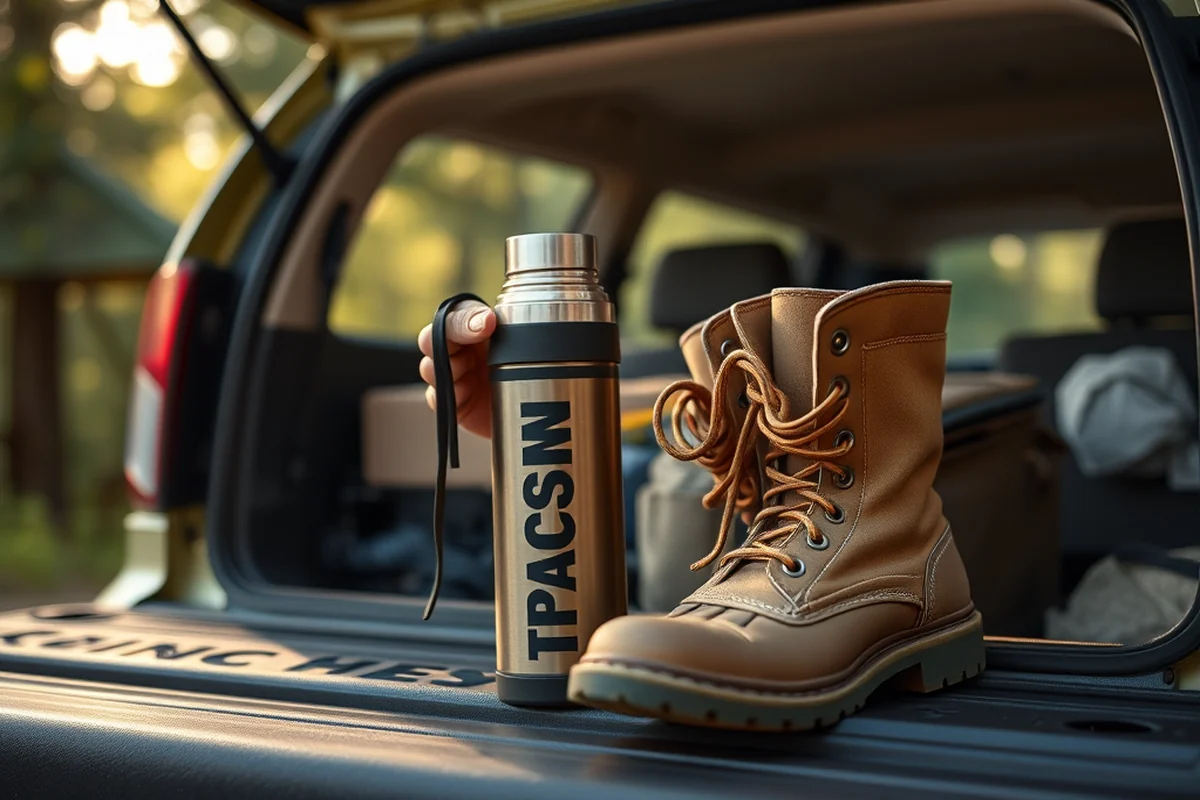
I learned the hard way that not organizing my gear can lead to chaos. I once spent an hour digging through my backpack trying to find a flashlight, only to realize I had it in my pocket. A simple way to avoid this is to use a packing method based on zones — one for cooking, one for sleeping, and one for activities. This makes it easier to find what you need without digging through everything.
I recommend using labeled storage bins or duffel bags for each zone. This helps with both organization and quick access. For example, I keep all cooking supplies in one bin — a portable stove, fuel canisters, pots, and utensils — and I know exactly where to find them when I need them.
Another tip I use is to prioritize items based on frequency of use. I pack things I’ll use first, like a headlamp or a camp chair, in the easiest-to-reach spots. Items I’ll use later, like a sleeping pad, can be packed deeper in the bag. This method has saved me time and energy more than once.
A well-organized gear setup can save you hours of frustration on the trail.
Related: Family camping trips packing gear that actually work
What to Pack for Kids (and How to Keep Them Happy)
I’ve learned that kids can be unpredictable with what they need. I once packed a backpack for my daughter with just a towel and a book, only to find out she wanted her favorite stuffed animal and a snack for the entire trip. A good rule of thumb is to include a small, labeled backpack for each child with essential items — a change of clothes, a snack, a toy, and a water bottle.
Another thing I’ve found is that kids love activities that keep them engaged. I always pack a few games, like a deck of cards or a small frisbee, to help pass the time. I also make sure to include a few snacks that are easy to eat and won’t make a mess — like trail mix or fruit snacks.
I’ve found that keeping kids happy on a camping trip is all about variety and structure. I always pack a small notebook and some colored pencils for them to draw with, and I make sure to have a variety of snacks to keep their energy levels up. It’s a small investment that can make a big difference in how your trip goes.
Include a small bag with essentials like a toy, a snack, a change of clothes, and a water bottle. This helps kids feel prepared and in control, even in a new environment.
“There's nothing quite like the feeling of watching your kids chase fireflies under a canopy of stars, the scent of pine and woodsmoke in the…”— Campandtots editors
Related: Family camping trips packing gear mistakes to avoid
Choosing the Right Tent for Your Family
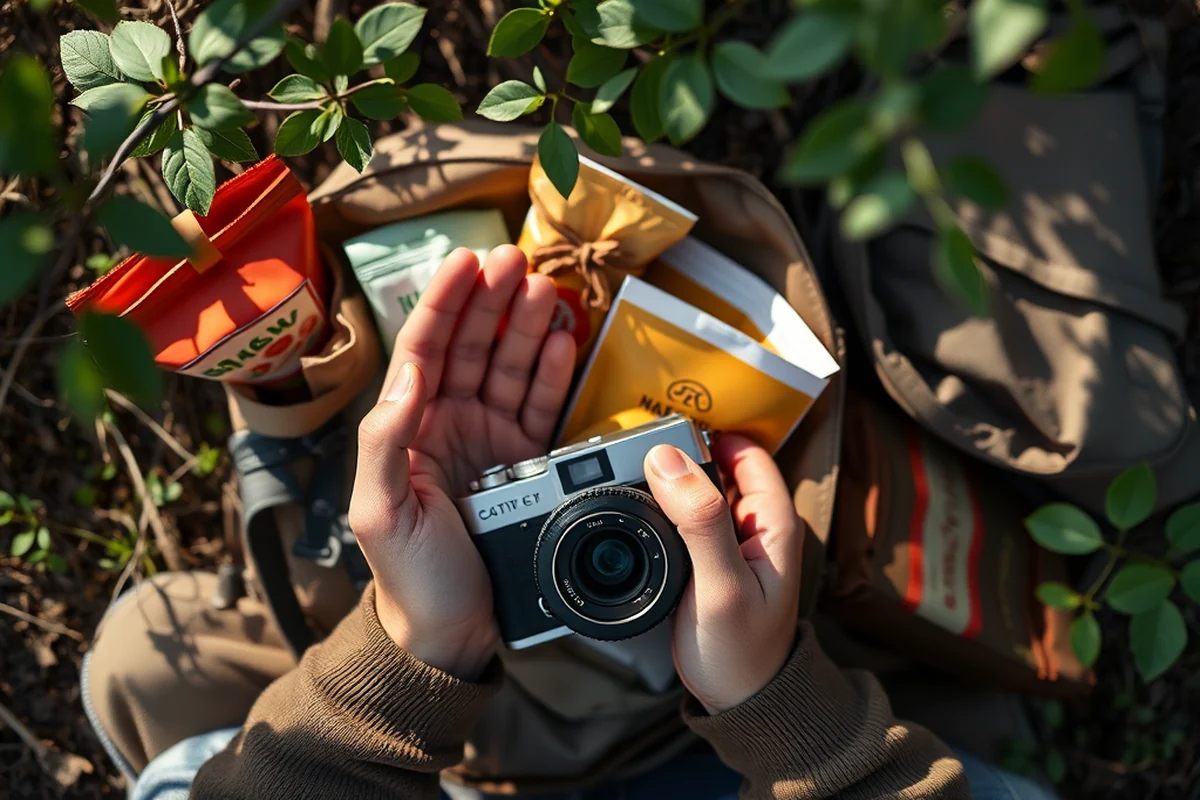
I once spent a night in a tent that was too small for our family of four, and it was a nightmare. We were all crammed together, and it felt more like a camping experience than a vacation. Choosing the right tent is essential — it should have enough space for everyone, plus some room for gear and movement.
I recommend looking for a tent with a capacity of at least 6-8 people, even if you’re only four people. This gives you more room and reduces the chances of feeling cramped. I’ve found that a dome tent is the most versatile option for families, as it’s more stable in wind and easier to set up.[1]
Another thing to consider is the tent’s features — a good tent should have a rainfly, a floor, and enough headroom. I also look for tents with a vestibule for storing gear. This makes it easier to access your belongings without going inside the tent, which is especially important when it’s raining.
Related: Family camping trips gear tips
Packing for the Weather — What You Need to Know
I once went camping in the spring, and the weather went from warm and sunny to freezing and rainy within a few hours. That taught me the importance of packing for all conditions. A good rule of thumb is to always pack layers — a moisture-wicking base layer, an insulating middle layer, and a waterproof outer layer.
I’ve found that having a rain poncho is a must-have item, even if you think the weather will be nice. I’ve also packed a small emergency blanket, which can be a lifesaver if you find yourself caught in the rain. I always carry a portable heater for cold nights, and it’s been a game-changer.
Another thing to consider is the type of shoes you wear. I’ve found that trail runners are the best option — they’re comfortable, support your feet, and are easy to dry if they get wet. I always pack a pair of rain boots as well, just in case.
💰 Budget Camping
Camping doesn’t have to be expensive. With a little planning, you can have an amazing trip without breaking the bank.
🌤️ Weekend Getaway
A short weekend trip is perfect for families who want to escape without spending too much time away from home.
👨👩👧👦 Family with Kids
Packing for kids requires extra thought, but with the right approach, it can be a fun and memorable experience.
🍂 Off-Season Camping
Camping in the off-season can be a great way to avoid crowds and enjoy the beauty of nature in a different way.
💎 Luxury Camping
For those who want a bit more comfort, luxury camping offers the best of both worlds — nature and comfort.
| The mistake | Why it happens | The fix |
|---|---|---|
| Forgetting the tent poles | Without tent poles, setting up your tent can be a frustrating and time-consuming process. | Always double-check your gear before leaving home, and make sure you have all the necessary parts for your tent. |
| Not organizing your gear | Not organizing your gear can lead to confusion and frustration, especially when you need something quickly. | Use labeled storage bins and prioritize items based on how often you’ll use them. |
| Packing too much | Packing too much can make your trip more stressful and harder to manage, especially in tight spaces. | Only pack what you need, and use a checklist to help you stay on track. |
| Not preparing for the weather | Failing to prepare for the weather can lead to discomfort and even safety issues if you’re caught off guard. | Always check the weather forecast and pack accordingly, including layers and rain gear. |
Related: How to family camping trips packing
Family Camping Trips Packing Guide
Related: Family camping trips packing gear checklist
Common Questions
What should I pack for a family camping trip with young children?
How can I keep my kids entertained on a camping trip?
What’s the best tent for a family of four?
How do I organize my gear for a camping trip?
References
- Clinch River State Park Market Analysis and Business Plan (dcr.virginia.gov)
Cite this guide
Campandtots (2026). Family Camping Trips Packing Guide. https://campandtots.com/family-camping-trips-packing-guide/
Feel free to cite or share this guide.