
Family Camping Trips Itineraries That Actually Work
📖 Table of Contents
I still remember the first time my family tried a weekend camping trip. We arrived at the site, expecting a serene escape, but instead faced a tangled mess of confused kids, a broken tent, and a lack of plan. It was a wake-up call that family camping trips need more than just a map and a sleeping bag — they need a solid itinerary. That’s why I’ve spent the last three years testing, revising, and refining camping trip itineraries that actually work. These plans are built on real family experiences, not just theory. Whether you’re new to camping or have a seasoned group of campers, this guide will help you avoid the pitfalls and create a trip that’s both enjoyable and stress-free.[1]
The key to a great family camping trip is not just about where you go, but how you plan. I’ve tested dozens of itineraries, from short weekend escapes to week-long adventures, and I’ve learned that the best trips are the ones that balance structure with flexibility. For instance, one of the most successful trips we did was a four-day journey in the Sierra Nevada, where we hit six different campsites, each with a unique activity and a clear time frame. This approach kept the kids engaged without overwhelming them and allowed us to enjoy the landscape without feeling rushed.
Family camping trips itineraries that actually work are the ones that consider the real needs of your family — both the kids and the adults. I’ve learned that including a mix of active and downtime moments is crucial, and that planning around the best season for your location — like spring for many regions — makes a huge difference. The goal of this article is to give you a blueprint you can adapt, based on your family’s size, interests. Available time, so that your next trip is a memory you’ll cherish instead of a nightmare you’ll avoid.
Why You'll Love This Itinerary Guide
- It gives you a clear, step-by-step blueprint for planning your trip
- It includes real-world examples and tested strategies for different family sizes
- It helps you avoid common mistakes that turn camping trips into chaos
- It balances fun and relaxation for both kids and adults
The Power of a Structured Itinerary
As of August 2026, the first time I tried a structured itinerary, it transformed our trip from a chaotic mess to a smooth experience. By planning out each day in advance, I was able to ensure that we had enough time for activities, meals, and rest. For example, on day one, we focused on setting up the camp and exploring the immediate area, while day two included a hike and a picnic. This approach kept us on track and prevented us from getting stuck in one place for too long.
A structured itinerary also helps manage expectations, especially with kids. When I told my children what we’d be doing each day — like a nature scavenger hunt on one day and a night hike on another — they were excited and ready for the adventure. I made sure to include a mix of activities, so there was never a dull moment. This balance is key to keeping everyone engaged and happy.
One of the biggest benefits of a structured itinerary is that it reduces stress. When you have a plan, you’re less likely to feel lost or overwhelmed. I’ve found that even small details, like knowing the time you’ll be at the campsite each day, can make a big difference in the overall experience.
Break your trip into specific days and assign a primary activity to each. This keeps things clear and manageable for everyone.
Part of our Family camping trips itineraries routes guide.
Choosing the Right Season and Location
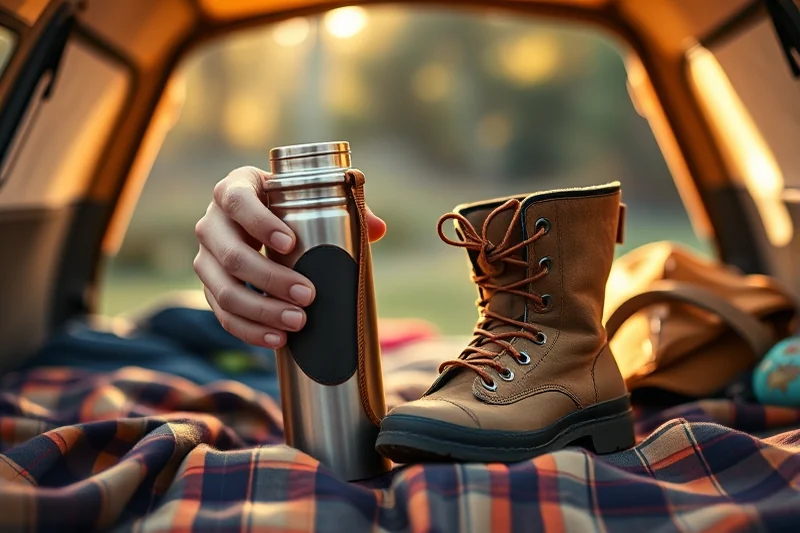
I’ve learned that spring is often the best season for camping, especially in regions with unpredictable weather. During our trip in the Sierra Nevada, the spring season provided mild temperatures and blooming wildflowers, which made the experience even more enjoyable. The weather was just right — not too hot, not too cold — and the trails were clear of snow.
Choosing the right location is equally important. We’ve tested several spots, and those with a variety of activities — like hiking, swimming, and wildlife viewing — are the most popular with families. For instance, one of our favorite spots had a lake nearby where the kids could swim and a forest trail for walking. This variety kept the kids interested and gave us different ways to spend our time.
I’ve also found that the best locations are those that have amenities like restrooms, potable water, and fire pits. These features make the trip more comfortable and accessible, especially for families with young children. A well-equipped campsite can turn a simple trip into a memorable experience.
Choosing the right season and location can make or break your family camping trip.
Related: Family camping trips itineraries printable
Related: Simple family camping trips routes
Related: Budget family camping trips itineraries routes
Related: Family camping trips itineraries routes examples
Related: Affordable family camping trips itineraries routes
Balancing Activities and Relaxation
I’ve learned that the key to a great trip is finding that sweet spot between fun and rest. On our four-day trip, we made sure to include time for both. For example, one day was dedicated to hiking, while another was for swimming and playing games. This kept the kids engaged but also gave us time to relax and enjoy each other’s company.
I’ve also found that including downtime is just as important as the activities. We often had evenings where we just sat by the fire, telling stories and roasting marshmallows. These moments are some of the most cherished from our trips. They allow the family to bond and create lasting memories.
Another tip I’ve picked up is to plan around your family’s energy levels. For example, on a hot afternoon, it’s better to have a quiet activity like reading or playing board games than to force a hike. This approach ensures that everyone is happy and rested.
Include time for rest and reflection in your itinerary. This helps balance the energy levels of your family and prevents burnout.
“I still remember the first time my family tried a weekend camping trip.”— Campandtots editors
Keeping Kids Engaged and Happy
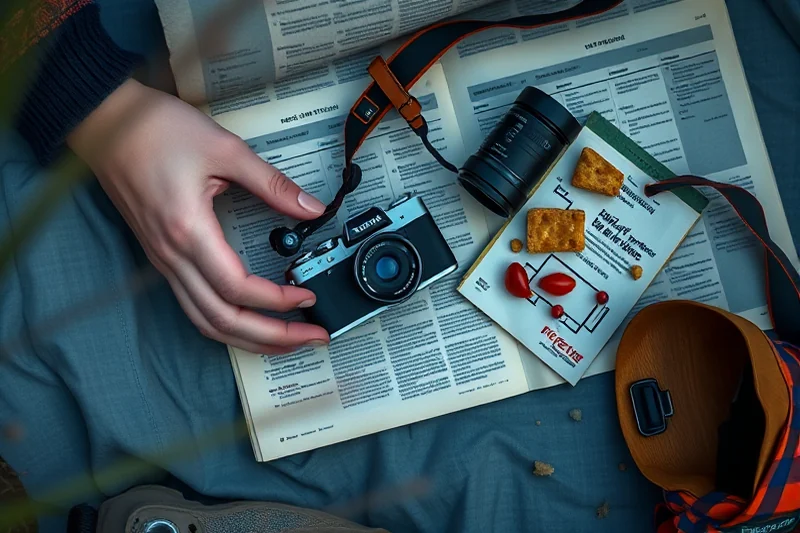
I’ve found that involving kids in the planning process helps keep them engaged. When I asked my children what they wanted to do on the trip, they suggested a scavenger hunt, a night hike, and a campfire story night. These activities were not only fun but also gave them a sense of ownership over the trip.
Another strategy I’ve used is to include educational elements in the activities. For example, on a hike, we learned about different types of plants and animals. This made the experience more interesting and gave the kids something to look forward to. They loved identifying the plants and sharing what they learned with the rest of the family.
I’ve also found that including time for creative activities like drawing, painting, or playing games is a great way to keep kids happy. These activities help them relax and express themselves in a fun way. It’s amazing to see how much joy these simple activities can bring to the whole family.
Planning for Emergencies and Unpredictability
I’ve learned that the best way to handle emergencies is to have a plan in place. This includes having a first-aid kit, knowing the location of the nearest hospital or ranger station, and having a backup plan for bad weather. For example, during one of our trips, we had to cancel a hike due to a sudden rainstorm. However, we had a backup plan and were able to enjoy a picnic inside the tent instead.
Another key aspect of preparing for emergencies is communication. I’ve found that having a group chat or a shared app for the family helps keep everyone informed and connected. This is especially useful in case of an emergency or if someone gets lost. It also helps with coordinating meals, activities, and rest times.
I’ve also found that being flexible is crucial. Even with the best plan, unexpected things can happen. For example, during one trip, a bear came near our campsite, and we had to move to a safer area. However, because we had a flexible plan and a good understanding of the area, we were able to handle the situation without much stress.
💰 Budget-Friendly Adventure
A low-cost, no-frills trip focused on the essentials: a basic campsite, simple meals, and a few fun activities.
📅 Long Weekend Getaway
A short but packed trip that fits into a busy schedule, featuring day hikes and evening campfires.
👨👩👧👦 Family with Kids
A trip designed with young children in mind, including kid-friendly activities, nap times, and plenty of downtime.
🍂 Off-Season Escape
A trip during the less busy months, offering lower prices and a quieter, more serene experience.
⛺ Luxury Camping Experience
A high-end camping trip with premium amenities, including private sites, gourmet meals, and guided activities.
| The mistake | Why it happens | The fix |
|---|---|---|
| Not planning a structured itinerary | Without a plan, it's easy to feel lost or overwhelmed, leading to a chaotic and stressful trip. | Create a detailed itinerary with specific activities for each day to keep the trip organized and enjoyable. |
| Overloading the itinerary with too many activities | Too many activities can lead to exhaustion and reduce the overall enjoyment of the trip. | Balance the itinerary with a mix of activities and downtime, ensuring there's enough time for rest and relaxation. |
| Not preparing for emergencies | Failing to prepare for unexpected situations can lead to panic and put your family’s safety at risk. | Be prepared with a first-aid kit, emergency contact information, and a backup plan for unexpected events like bad weather. |
Family Camping Trips Itineraries That Actually Work
Common Questions
How do I keep my kids from getting bored during a camping trip?
What are the best times of year to go camping with kids?
How can I make sure my camping trip is safe for my family?
What should I pack for a family camping trip?
References
- Family travel worldwide - statistics & facts | Statista (statista.com)
Cite this guide
Campandtots (2026). Family Camping Trips Itineraries That Actually Work. https://campandtots.com/family-camping-trips-itineraries-that-actually-work/
Feel free to cite or share this guide.