
Simple Family Camping Trips Food
📖 Table of Contents
There's something uniquely satisfying about waking up in a tent, the air still slightly cool from the night before, the scent of pine and soil mixing with the first light of dawn. On my first family camping trip, we packed what we thought was enough food for the weekend, only to find ourselves scrambling for snacks by the third day. That moment taught me the value of planning ahead and keeping things simple — especially with food for simple family camping trips. It's not about gourmet feasts or elaborate spreads; it's about making sure everyone gets enough, stays full, and still has the energy to hike, play, and laugh.
The beauty of simple family camping trips food lies in its practicality. It’s not about turning your backcountry tent into a restaurant, but rather about packing meals that are easy to prepare, easy to clean up, and most importantly, easy to enjoy. I’ve learned that the best meals are the ones that don’t require a recipe, don’t require hours in the kitchen. Don’t require the kind of cleanup that makes you dread going home. It’s about simplicity, efficiency, and a little bit of ingenuity — and for families, that’s often the key to a successful trip.[1]
Over the years, I've tested different approaches, from prepping meals at home and freezing them in portioned containers, to carrying lightweight dehydrated meals that only need hot water. I’ve learned that the most successful meals are the ones that can be cooked on a camp stove, eaten with fingers or hands, and don’t require any special equipment. I’ve also learned that involving the kids in the meal planning and prep can turn a basic meal into a fun activity, making the whole experience more memorable — and less stressful.
Why You'll Love This Approach to Family Camping Food
- Less stress, more joy — no need for complicated recipes or last-minute grocery runs.
- Easier cleanup — meals that don’t require plates, utensils, or deep dish pans.
- More time for adventure — no time wasted cooking or cleaning.
- Kids will help — they can prep, serve, and even taste-test your meals.
What to Eat on a Simple Family Camping Trip
As of August 2026, when planning food for a simple family camping trip, the focus should be on meals that are prepped at home, packed in easy-to-carry containers, and require minimal effort to reassemble. I’ve found that meals like grilled cheese sandwiches, peanut butter and jelly, hard-boiled eggs, and trail mix are all excellent options. These items don’t need to be cooked on-site, are easy to store, and are rarely a disappointment.
I once packed a variety of hard-boiled eggs, and by the end of the trip, I had to stop myself from eating them all. They’re a great source of protein, they last well in a cooler, and they’re easy to eat on the go. Similarly, I’ve packed sandwiches that can be assembled at home, wrapped in foil, and cooked over a campfire — a fun activity that involves the whole family and doesn’t require any special skills.
I’ve also learned that having a few simple, high-energy snacks on hand is essential. Trail mix, dried fruit, and energy bars can be life savers when you’re on the move and need something quick and easy. I once had a trip where I packed too many heavy meals and not enough snacks, and by the second day, I was feeling sluggish and my kids were grumpy. It was a lesson in balance.
When selecting food, think about how it will be used. Meals that can be eaten cold are great for early mornings, while meals that require heat are better saved for dinner or when you’re near a fire pit.
Part of our Family camping trips food stops guide.
How to Store and Transport Food
When transporting food for a simple family camping trip, it’s crucial to use containers that are airtight, waterproof, and easy to clean. I’ve used mason jars for storing trail mix, and they work perfectly — no spills, no mess. I also use vacuum-sealed bags for items like dried fruit and nuts, which not only save space but also help maintain freshness.
I’ve found that using a cooler for perishable items is essential. I once went camping without one, and the result was a few meals that were either too warm or too cold. A cooler with ice packs can keep food fresh for up to 48 hours, even in warm weather. I’ve also used insulated bags for non-perishables, which have kept my meals from getting crushed or damaged in the back of my car.
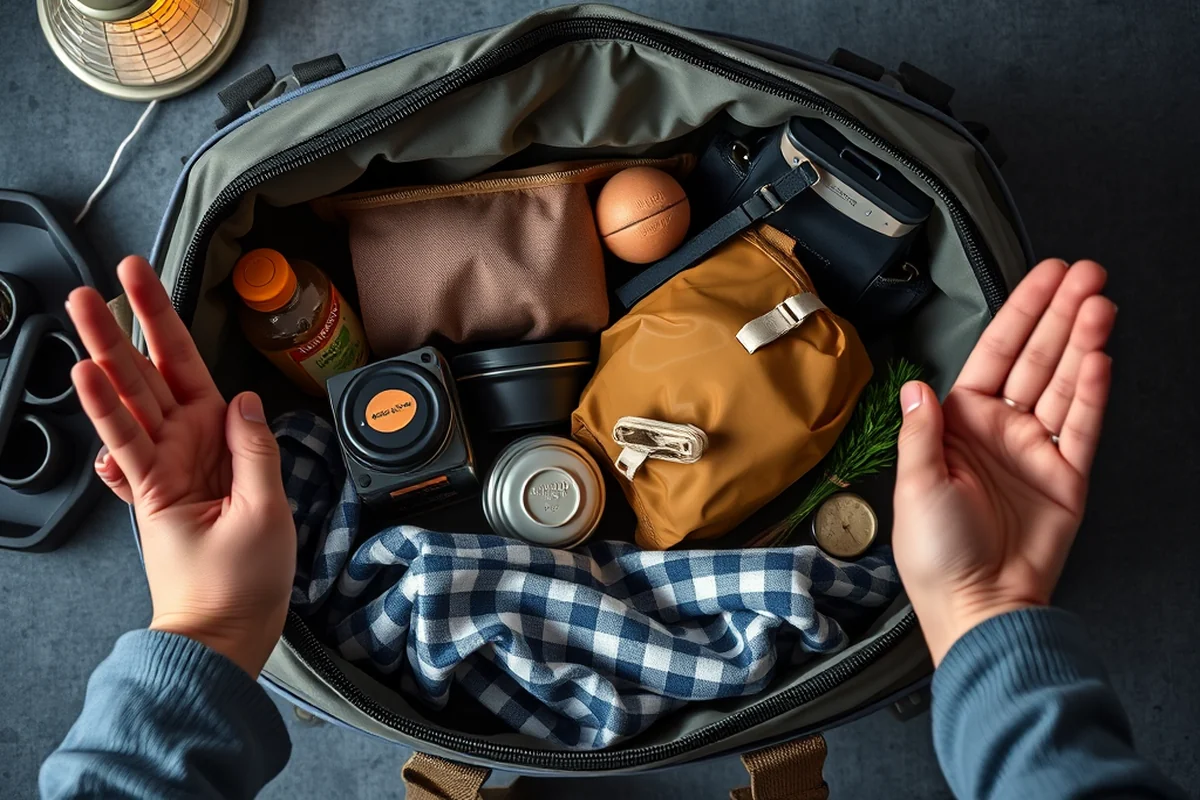
One tip I’ve learned is to keep your meals compartmentalized. I use a large duffel bag with smaller sections for different meals and snacks. This way, I can easily find what I need without rummaging through a mess. It also helps with keeping things organized and prevents cross-contamination between different types of food.
Pack smart, and you’ll find yourself with more time for the things that matter most.
Related: Best family camping trips stops
Related: Simple family camping trips stops
Related: Best family camping trips food
Related: Family camping trips stops for beginners
Related: Easy family camping trips food stops
How to Involve Kids in Meal Prep
Including kids in the meal prep process doesn’t just make them more invested in the trip — it also helps reduce the workload for the adults. I’ve found that even the youngest children can help with simple tasks like packing trail mix or wrapping sandwiches in foil. It’s a great way to teach them about meal planning and the importance of packing enough food for the entire trip.
I once had a 5-year-old who was responsible for putting together a small bag of snacks each morning. She loved being in charge, and it kept the rest of us from having to think about it. I’ve also had older kids who helped with cooking meals over a campfire — they loved the challenge and the sense of accomplishment that came with it.
Involving kids in meal prep also helps them develop a sense of responsibility and independence. When they’re involved in the process, they’re more likely to eat what’s prepared, and they’re more likely to respect the effort that goes into making a meal. It’s a win-win for everyone involved.
Use games or challenges to make meal prep more engaging for kids. For example, you can set a time limit for packing snacks or let them choose the order of the meals.
“There's something uniquely satisfying about waking up in a tent, the air still slightly cool from the night before, the scent of pine and soil…”— Campandtots editors
Staying Hydrated on the Go
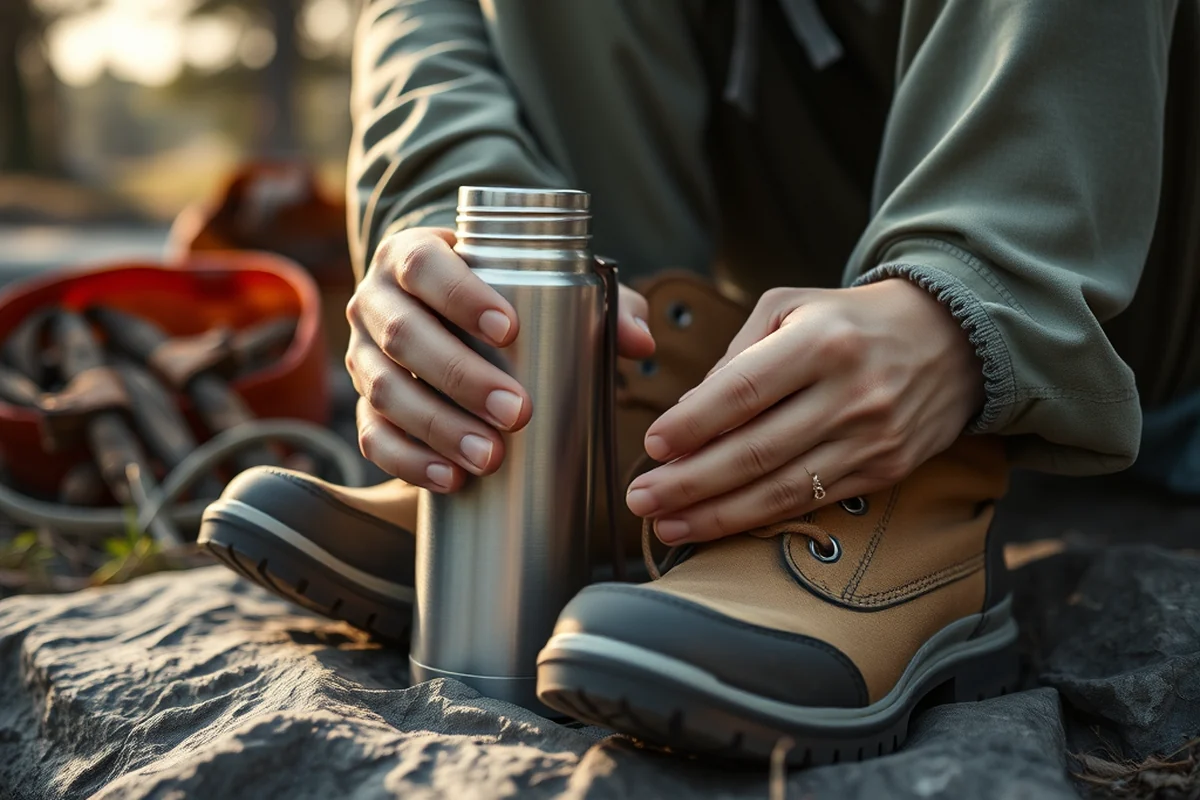
Staying hydrated is crucial during any camping trip, especially when you're out in the sun for extended periods. I’ve learned that packing enough water is essential — and not just for drinking. I’ve also used water to cook meals, clean up, and even to cool things down when it’s hot.
I’ve had trips where I underestimated how much water we would need, and by the end of the day, I was exhausted and my kids were irritable. It was a wake-up call. I now make sure to bring at least one gallon of water per person per day, and I also bring a collapsible water bottle for each person. This helps with drinking, cooking, and even washing up after a long day.
I’ve also discovered that using a water filter or purification tablets can be a life-saver when you're in remote areas. I’ve used a portable water filter on a few trips, and it’s been a game-changer. It allows me to refill my bottles from streams or lakes, which not only saves money but also reduces the weight of the gear I’m carrying.
What to Avoid When Planning Simple Camping Meals
One of the biggest mistakes I’ve made is packing too many meals that require refrigeration. It’s easy to forget that not all meals will stay fresh without a cooler, and this can lead to a lot of wasted food and unnecessary stress. I’ve learned to focus on meals that don’t need to be kept cold, and to use a cooler only for the perishables.
Another mistake is not considering the cooking equipment available. I once packed a meal that required a microwave, only to find out that I didn’t have one at the campsite. It was a big letdown. I now make sure to check what kind of cooking equipment will be available and to plan meals around that.
I’ve also made the mistake of not accounting for the time it takes to prepare meals. I once planned on cooking a complex meal over a campfire, only to realize that I hadn’t brought the right tools. It turned into a disaster, and we ended up eating cold sandwiches for dinner. Now, I plan meals that are quick and easy to prepare, even with limited equipment.
💰 Budget Camping
A no-frills trip focused on simplicity, affordability, and minimal waste. Ideal for first-time campers or those on a tight budget.
⛺ Long Weekend Getaway
Perfect for a short but fulfilling trip, with meals that are easy to prepare and pack. Great for families with limited time.
👨👩👧👦 Camping with Kids
Tailored for families with young children, with meals that are fun, easy to eat, and involve the whole family.
🍂 Off-Season Camping
A great way to enjoy the outdoors without the crowds. Meals that are hearty and warming, perfect for cooler weather.
🛏️ Luxury Camping
A more upscale camping experience, with meals that are still simple but offer a touch of comfort and indulgence.
| The mistake | Why it happens | The fix |
|---|---|---|
| Packing too many meals that require refrigeration. | This can lead to wasted food and unnecessary stress, especially if you don’t have a cooler. | Focus on meals that don’t need to be kept cold, and use a cooler only for perishables. |
| Not bringing enough water or not staying hydrated. | This can lead to exhaustion, irritability, and even health issues, especially in hot weather. | Bring at least one gallon of water per person per day, and consider using a water filter for added convenience. |
Simple Family Camping Trips Food
Common Questions
How do I make sure my food stays safe while camping?
What are some good meals to bring for a simple family camping trip?
Can I involve my kids in meal planning and prep?
What are some tips for keeping meals organized during a camping trip?
References
Cite this guide
Campandtots (2026). Simple Family Camping Trips Food. https://campandtots.com/simple-family-camping-trips-food/
Feel free to cite or share this guide.