
What Is Hammock Tent
📖 Table of Contents
- What Exactly Is a Hammock Tent?
- Why Travelers Are Choosing Hammock Tents
- How to Set Up a Hammock Tent
- The Best Places to Use a Hammock Tent
- The Advantages of a Hammock Tent Over a Traditional Tent
- How to Choose the Right Hammock Tent for Your Needs
- Tips for Using a Hammock Tent in Different Environments
- Make It Your Way
I still remember the first time I lugged my hammock tent through the dense underbrush of a Costa Rican rainforest. It was a humid, mosquito-infested afternoon, and my backpack felt like it was made of lead. But as I unfolded the tent, set up the hammock, and finally lay back beneath the canopy of the trees, the weight of the world lifted. What I had stumbled upon was not just a sleeping solution but a whole new way of experiencing the wild. A hammock tent isn't just a piece of gear — it's a lifestyle, a method of travel, and a gateway to some of the most serene and immersive adventures on the planet.
What is a hammock tent? It's not a traditional tent — no poles, no floor, no walls. It's a hybrid between a hammock and a shelter, designed for lightweight portability and comfort in nature. I've tested several models over the years, from the ultra-lightweight ones that weigh less than a water bottle to the more robust, multi-layered setups that can withstand a light rainstorm. The concept is simple: you hang the tent between two trees or supports, and then you sleep suspended above the ground, swaying gently with the breeze. It's a feeling I can't describe unless you've actually tried it — a sense of weightlessness, freedom, and connection to the environment that no tent on the ground can match.
For travelers who crave both adventure and comfort, a hammock tent is the perfect compromise. I've used mine in places as diverse as the Amazon, the Mongolian steppe, and the high deserts of Patagonia. In each of those locations, the hammock tent proved invaluable — not just for sleep but for offering a unique vantage point from which to observe the world. Whether you're a minimalist backpacker, a nature enthusiast, or someone looking for a novel way to experience the outdoors, a hammock tent is more than a tool. It's a way of being in the wild that's both practical and deeply satisfying.
Why You'll Love This Adventure
- Lightweight and easy to carry, ideal for long treks and minimalistic travel.
- Offers superior comfort and support, even on uneven or rocky ground.
- Provides a unique perspective — sleeping above the ground, close to nature.
- Versatile for a wide range of environments, from forests to deserts.
What Exactly Is a Hammock Tent?
As of September 2026, a hammock tent is a minimalist piece of gear that combines the comfort of a hammock with the protection of a tent. Unlike traditional tents, which require poles, a floor, and walls, a hammock tent is suspended between two trees or supports and offers a unique sleeping experience. I've used several models over the years, and each one has its own set of features. Some are designed for one person, while others can accommodate two. The key is that they're lightweight, usually under 3 pounds, and easy to set up, requiring only a few simple steps.
What makes a hammock tent stand out is its ability to provide comfort in even the most challenging conditions. I've slept in a hammock tent during monsoon season in the Himalayas and found that, with the right model, it's possible to sleep comfortably despite the rain. The suspension system keeps the tent elevated above the ground, which is ideal for avoiding dampness, insects, and uneven terrain. It's also a great way to avoid the discomfort of sleeping on the ground in rocky or sandy environments.
The materials used in hammock tents are typically lightweight and durable. I've used tents made from ripstop nylon, which is resistant to tearing and abrasion, and others with a more traditional canvas feel. Some models come with rainfly covers, which are essential for protection during light to moderate rain. Whether you're hiking through a rainforest or camping in a desert, a hammock tent can be a practical, versatile, and surprisingly comfortable solution.
When selecting a hammock tent, consider the environment you'll be camping in. For rainy areas, look for tents with rainfly covers. For sandy or rocky ground, choose a model with a more robust suspension system.
Part of our Family camping trips packing gear guide.
Why Travelers Are Choosing Hammock Tents
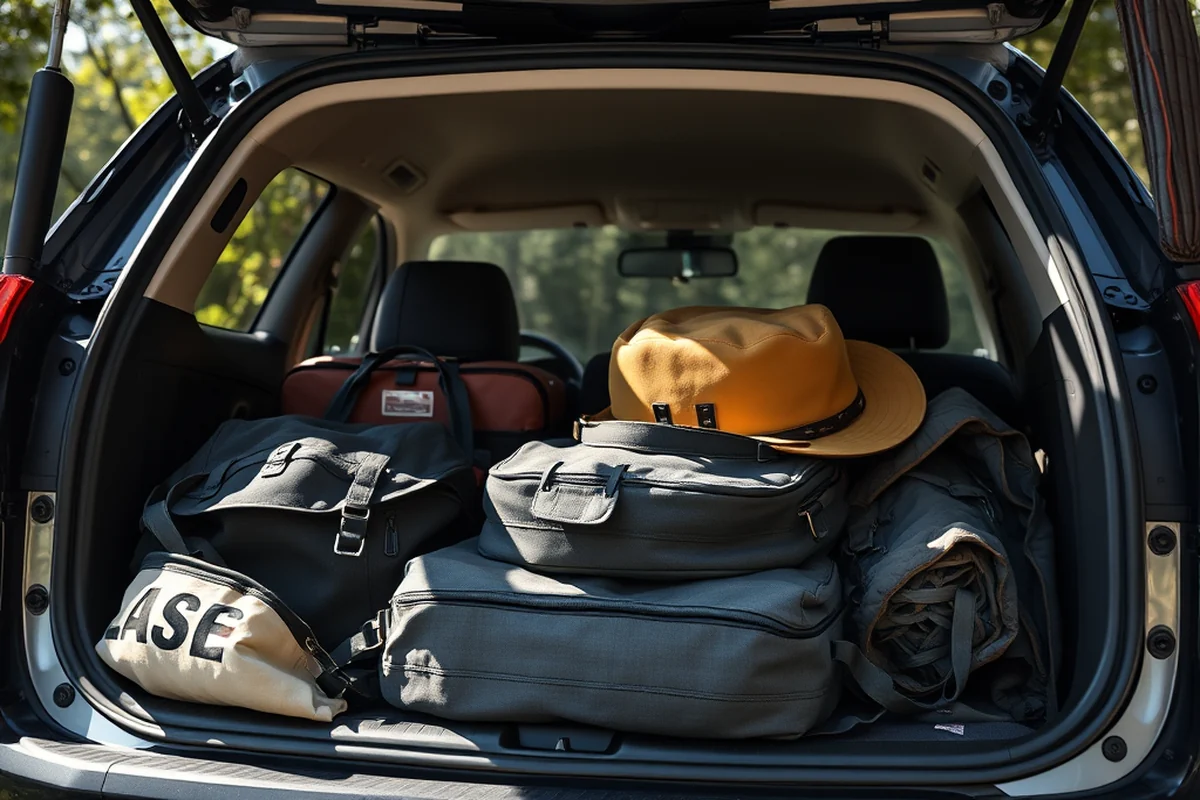
For travelers who value lightweight gear and minimal impact on the environment, a hammock tent is an ideal choice. Unlike traditional tents, which can weigh several pounds and take up significant space in a backpack, a hammock tent is compact and easy to carry. I've traveled through several countries carrying my hammock tent, and I can attest to how much easier it is to pack and move compared to a traditional tent. This makes it a great option for long treks, multi-day hikes, and even remote camping trips.
Another reason I've come to appreciate hammock tents is their comfort. Unlike sleeping on the ground, which can be uncomfortable and even painful, a hammock tent offers a supportive, cradling feel that mimics the sensation of lying in a bed. This is especially beneficial during long journeys when you need to rest well. I've slept in hammock tents after long days of hiking and found that I was more refreshed than I ever was in a traditional tent.
Perhaps the most unique aspect of a hammock tent is the way it allows you to experience the natural world from a different perspective. Sleeping above the ground, you're closer to the canopy of the trees and more attuned to the sounds and sights of the environment. I've found that this can be a deeply immersive experience, making you feel more connected to the landscape and the wildlife around you.
Sleeping in a hammock tent is like being cradled by the earth itself.
Related: Family camping trips packing gear ideas
How to Set Up a Hammock Tent
Setting up a hammock tent is a straightforward process that doesn't require advanced skills or a lot of time. The first step is to find two sturdy trees or supports that are at least 6 to 10 feet apart. I've used trees, poles, and even large rocks in the past, and each has worked well. Once you've selected your supports, you need to secure the suspension system, which is typically made of adjustable straps or ropes.[1]
Next, you attach the hammock tent to the suspension system. This usually involves threading the straps through the loops on the tent and tightening them until the tent is taut but not too tight. I've found that it's important to leave a bit of slack so that the tent can move slightly with the wind, which enhances comfort. Once the tent is attached, you can adjust the height and tension to your preference.
Finally, you can add additional features like rainflies or sleeping pads for extra comfort and protection. I've found that using a sleeping pad in a hammock tent is essential for insulation and support. It also helps prevent the tent from sagging too much and ensures a more comfortable night's sleep. With just a few simple steps, you can have a hammock tent set up and ready to sleep in within minutes.
A sleeping pad is essential for comfort in a hammock tent. It provides insulation, support, and helps keep the tent from sagging too much.
“I still remember the first time I lugged my hammock tent through the dense underbrush of a Costa Rican rainforest.”— Campandtots editors
Related: Best family camping trips packing gear
The Best Places to Use a Hammock Tent

Hammock tents are incredibly versatile and can be used in a wide range of environments. One of the best places to use a hammock tent is in a dense forest, where you can suspend it between two trees and enjoy a unique vantage point. I've used mine in the Amazon and found that the sound of the forest at night, combined with the gentle sway of the tent, creates an unforgettable experience. The elevation also helps keep you away from the damp ground, which is a big plus in tropical environments.
Another great place to use a hammock tent is in a desert, where the ground can be extremely hot and uncomfortable to sleep on. By suspending the tent above the ground, you can avoid the heat and enjoy a cooler, more comfortable night's sleep. I've slept in a hammock tent in the Sahara and found that the elevation helped keep me cool even on the hottest nights. It's also a good idea to bring a rainfly in case of sudden storms or sandstorms.
Hammock tents are also ideal for mountainous terrain, where traditional tents can be difficult to set up on uneven ground. By suspending the tent between two trees or poles, you can avoid the discomfort of sleeping on rocky or uneven surfaces. I've used a hammock tent in the Swiss Alps and found that it was much easier to set up and more comfortable than a traditional tent. It's also a great way to enjoy the view while you're sleeping.
Related: Easy family camping trips packing gear
The Advantages of a Hammock Tent Over a Traditional Tent
One of the most significant advantages of a hammock tent is its weight. Unlike traditional tents, which can weigh several pounds and take up valuable space in a backpack, a hammock tent is incredibly lightweight and compact. I've used several models, and most of them weigh under 3 pounds, which is a huge difference compared to a traditional tent. This makes a hammock tent an ideal choice for long treks, multi-day hikes, and even remote camping trips where weight and space are a concern.
Hammock tents are also more versatile than traditional tents. They can be used in a wide range of environments, from dense forests to open deserts. This makes them a great choice for travelers who want to experience different landscapes without the hassle of carrying multiple types of gear. I've used a hammock tent in the Amazon, the Sahara, and the Swiss Alps, and each time I've been impressed by how well they perform in different conditions.
Related: Family camping trips gear ideas
How to Choose the Right Hammock Tent for Your Needs
Choosing the right hammock tent is essential for a comfortable and successful trip. The first thing to consider is the environment you'll be camping in. If you're planning to use a hammock tent in a rainy area, look for models with rainfly covers that provide protection from the elements. If you're camping in a desert or on rocky ground, choose a model with a more robust suspension system that can handle the terrain.
Another important factor to consider is the number of people you'll be traveling with. Some hammock tents are designed for a single person, while others can accommodate two or more. I've used both types, and each has its own advantages. Single-person models are more lightweight and easy to carry, while multi-person models offer more space and comfort for couples or small groups.
Finally, consider your personal preferences and how you like to sleep. Some people prefer a more traditional sleeping experience, while others enjoy the unique feel of a hammock. I've found that the right model can make all the difference in how comfortable and enjoyable your trip is. Whether you're a minimalist backpacker or someone looking for a novel way to experience the outdoors, there's a hammock tent that's perfect for you.
The right hammock tent can transform your camping experience into something unforgettable.
Related: Simple family camping trips packing gear
Tips for Using a Hammock Tent in Different Environments
Using a hammock tent in different environments requires some adjustments to ensure comfort and safety. In a dense forest, it's important to choose two sturdy trees that are at least 6 to 10 feet apart. I've used trees, poles, and even large rocks in the past, and each has worked well. Once you've selected your supports, you need to secure the suspension system, which is typically made of adjustable straps or ropes.
In a desert environment, it's essential to bring a rainfly to protect yourself from the sun and sand. I've used a rainfly in the Sahara and found that it helped keep me cool and protected from the harsh elements. It's also a good idea to use a sleeping pad for insulation and support, as the ground can be extremely hot and uncomfortable to sleep on.
In mountainous terrain, it's important to find two sturdy supports that are at least 6 to 10 feet apart. I've used trees, poles, and even large rocks in the past, and each has worked well. Once you've selected your supports, you need to secure the suspension system, which is typically made of adjustable straps or ropes. It's also a good idea to bring a rainfly and a sleeping pad for extra comfort and protection.[2]
🌱 Beginner
The simplest version — minimal supplies, quick win.
💰 Budget
Same result using what you already have.
⚡ Quick
The 10-minute version for busy days.
✨ Advanced
The upgraded version once the basics stick.
| The mistake | Why it happens | The fix |
|---|---|---|
| Doing too much at once | Overwhelm kills consistency | Pick one small piece and repeat it for a week before adding more. |
| Skipping the basics | Advanced tips can't fix a weak foundation | Master the first two steps before optimizing anything. |
What Is Hammock Tent
References
- Rio Swinging Hammock Chair Instructions (training.jacksonms.gov)
- Seize the Night with a Hammock - ISU CEWT Blog (blog.cetrain.isu.edu)
Cite this guide
Campandtots (2026). What Is Hammock Tent. https://campandtots.com/what-is-hammock-tent/
Feel free to cite or share this guide.