
Family Camping Trips Packing For Small Spaces
📖 Table of Contents
I remember the first time we packed for a family camping trip with two kids, a dog, and a car that was half the size of a studio apartment. It was chaotic. We had a list of ten items, but by the time we reached the campsite, we’d forgotten the tent poles, the sleeping bags, and a third of the food. That trip taught me that packing for family camping trips in small spaces isn’t just about what you take—it’s about how you take it. And more importantly, how you organize it.[4]
For families who love the outdoors, but also value efficiency, the challenge of fitting everything into a small car or even a single suitcase is real. I’ve tried countless methods over the years, from using every inch of the car’s trunk to buying a second suitcase just for the kids’ clothes. The key is to think strategically. With the right approach, even a family of four can travel light, save space, and still have everything they need for a successful trip.
This article is about how we’ve learned to pack for family camping trips in small spaces—without sacrificing comfort, functionality, or the joy of being outdoors. It’s not just about the gear you bring, but how you arrange it, how you think about what’s essential, and how you prepare ahead of time. Whether you’re a first-time camper or a seasoned outdoor enthusiast, there’s something here that can help you pack smarter and enjoy your trip more.
Why You'll Love This Guide to Packing for Family Camping Trips in Small Spaces
- Learn how to maximize limited storage space with smart packing techniques.
- Discover essential items that make a trip easier, even in cramped conditions.
- Get tips on organizing your gear in a way that keeps everything accessible and secure.
- Save money and stress by planning ahead and avoiding overpacking.
The Power of a Packing List
As of October 2026, I learned the hard way that without a detailed list, you end up with either too little or too much. I’ve since developed a checklist that includes everything from the obvious items like tents and sleeping bags to the often-overlooked like a small first-aid kit and a lightweight camp stove. This list has grown over the years, and now it’s a 12-point guide that I review before every trip.[1]
Creating this list helps me prioritize what’s necessary and what can be left behind. I use a digital app to track what we’ve packed and even set reminders for key items like sunscreen or the dog’s leash. It’s a small habit, but it’s made the difference between a smooth trip and one full of last-minute panic.
One of the most important tips I’ve learned is that you can’t just rely on the list alone. You also need to double-check what’s actually in your car when you arrive at the campsite. I’ve missed items more times than I can count, and it’s easy to do if you don’t have a system in place.
Try using a simple app like Google Keep or Trello to track your packing list. It’s easy to update and gives you a clear overview of what’s packed and what’s not.
Part of our Family camping trips packing gear guide.
The Art of Folding and Rolling
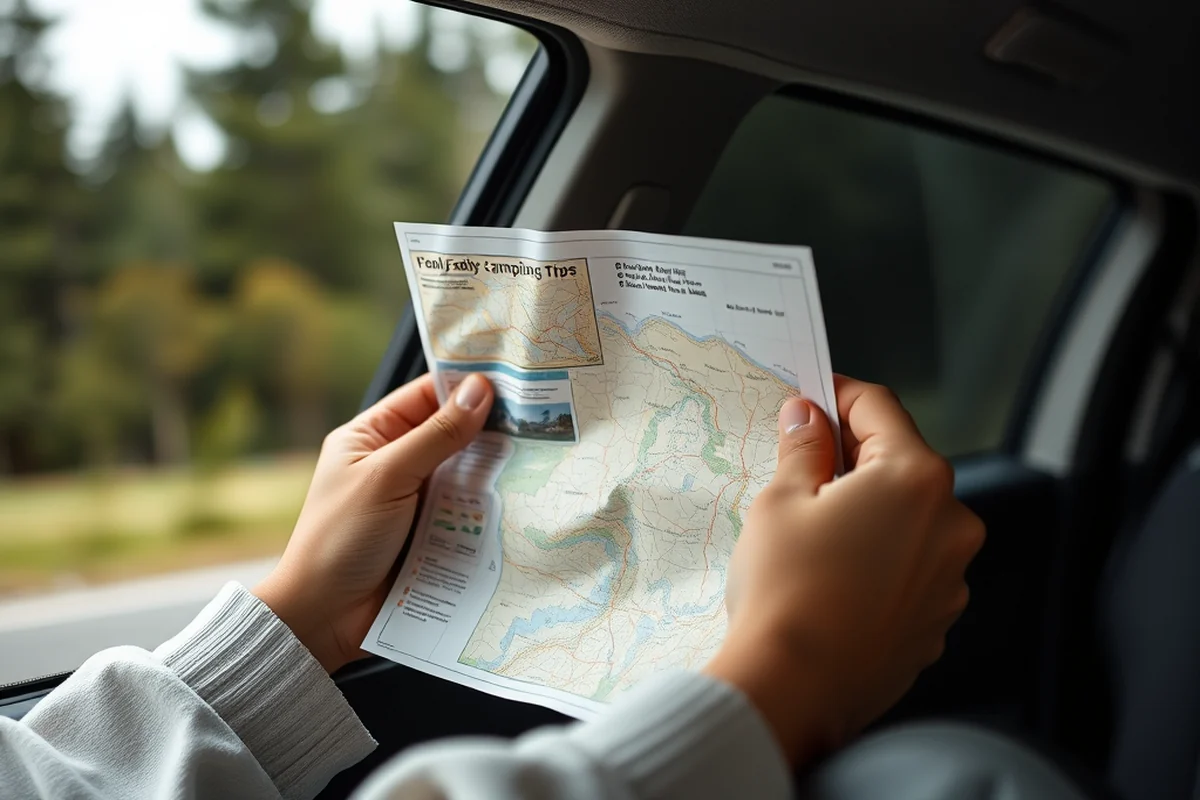
After years of trial and error, I’ve learned that folding is better for most clothes, but rolling works well for items like socks, underwear, and even towels. I use a small compression bag for the latter, which helps reduce bulk and keeps everything dry.
I also use a vacuum-sealing method for items like extra clothing that I only bring if needed. This has been a game-changer. For instance, when I roll a t-shirt and compress it, it takes up about half the space of when it’s folded.
One of the first times I used this method, we saved about 30% of the space in our car. It was a revelation. Since then, I’ve made it a habit to roll everything that’s not essential, and I’ve never looked back.[2]
Rolling and folding the right way can make all the difference in how much space you save.
Related: What backpacking stove
Multi-Use Items: The Secret to Light Packing
Multi-use items are a lifesaver. For example, a lightweight blanket that can double as a picnic mat or a ground cover is invaluable. I’ve also used a single jacket as a rain cover for the tent, which saved space and reduced the weight we had to carry.
I’ve experimented with other items, like a small camp chair that can also be used for seating around the fire pit. I’ve even seen people use a single piece of string to hang a pot over the fire and later tie it to a tree for a clothesline. It’s all about thinking creatively.
One of the most recent additions to our multi-use toolkit is a small, foldable cutting board that can also double as a plate or a tray. It’s small, but it’s made a huge difference in our packing efficiency.
Look for items that can be used in multiple ways. Even small items like a bandana can serve as a towel, a headscarf, or even a makeshift towel for the dog.
“I remember the first time we packed for a family camping trip with two kids, a dog, and a car that was half the size…”— Campandtots editors
Related: Family camping trips packing on a budget
The Importance of Prioritizing Gear
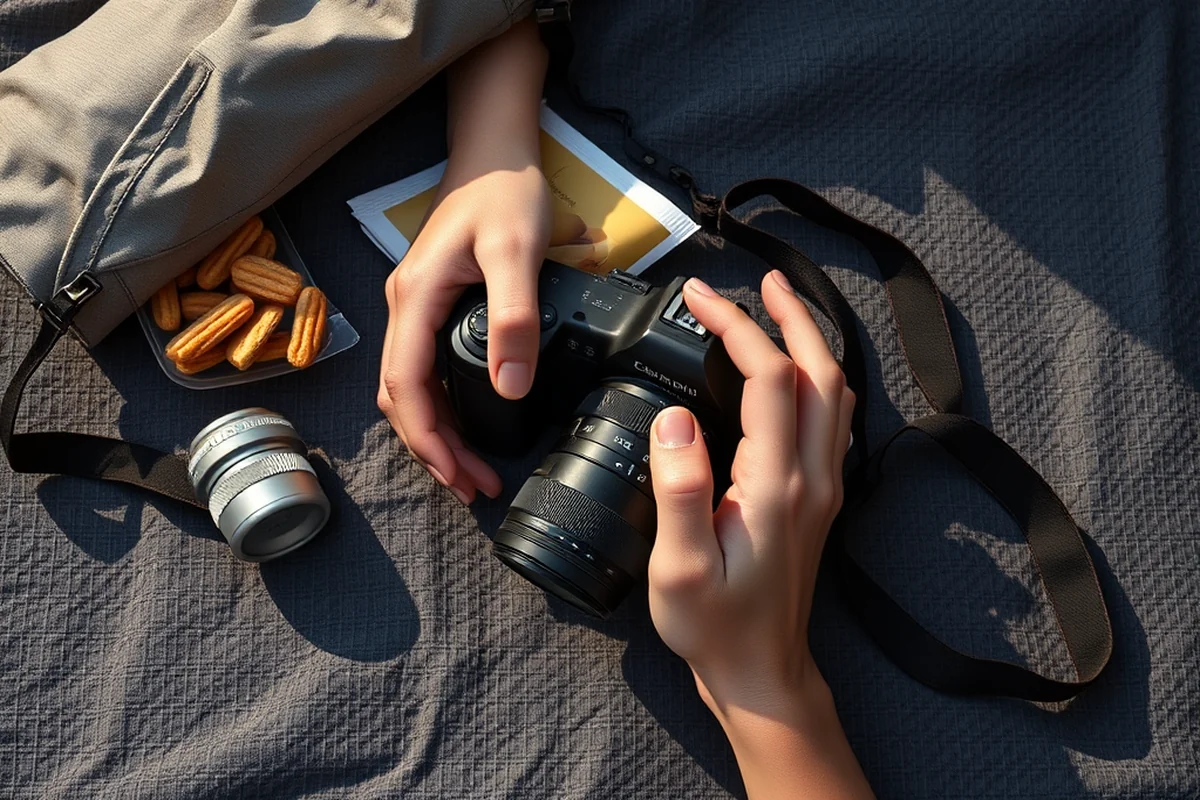
I’ve learned that the most important items are the ones that keep you safe and comfortable. A good tent, sleeping bags, and a reliable cooking system are always on top of my list. Everything else is secondary.
When I first started camping, I packed everything I could think of, but it turned out that the extra gear was just taking up space. Now, I only bring what I absolutely need. This change has allowed us to travel lighter and faster, even when we’re on tight schedules.
One of my favorite tools for prioritizing gear is a simple spreadsheet where I list each item and rate it based on necessity, weight, and space. I’ve found that this method has helped me eliminate over 30% of unnecessary items from my trips.[3]
Related: Family camping trips packing checklist
The Role of a Small, Organized Space
I’ve spent a lot of time figuring out the best way to organize our car for camping trips, and it all comes down to one thing: using every available inch. I’ve found that the best way to do this is by using storage bins, vacuum bags, and even the seats themselves for extra storage.
One of the most effective strategies I’ve used is to place the heaviest items at the bottom of the car, which helps with balance and stability. I also use the space under the seats for items that we won’t need immediately, like extra clothing or a second sleeping bag.
By using these methods, we’ve managed to carry everything we need for a four-day trip in our car with room to spare. It’s been a game-changer for our family, and I’ve found that the more organized we are, the more enjoyable our trips become.
💰 Budget-Friendly Camping
This variation is perfect for families who want to enjoy camping without breaking the bank. It includes using free or low-cost campgrounds and sharing gear with other families.
🌤️ Long Weekend Getaway
This option is ideal for those who only have a few days off and want to enjoy a quick outdoor adventure. It includes tips for packing efficiently in a limited timeframe.
👶 Camping with Kids
This variation focuses on making the trip enjoyable for children while keeping everything organized and easy to access. It includes tips for managing kids’ gear and keeping them entertained.
🍂 Off-Season Camping
This is perfect for those who want to enjoy camping during the shoulder season. It includes tips for packing in cooler weather and finding the best campsites during less busy times.
🏕️ Luxury Camping
For those who want to enjoy the outdoors in comfort, this variation includes tips for bringing more gear without sacrificing space or comfort.
| The mistake | Why it happens | The fix |
|---|---|---|
| Packing everything you own instead of only what you need. | This leads to unnecessary clutter, wasted space, and a lot of extra weight that can make the trip uncomfortable. | Create a packing list with only essential items and review it before leaving home. |
| Not organizing gear properly. | Items can become damaged, hard to find, or even lost if not stored properly in a small space. | Use storage bins, vacuum bags, and organize items by category to keep everything accessible and secure. |
| Not checking what’s actually packed before leaving. | It’s easy to forget important items like sunscreen, the dog’s leash, or a first-aid kit if you don’t double-check. | Review your packing list before leaving home and take a final walk-through of your car or suitcase. |
Related: Quick family camping trips packing
Family Camping Trips Packing For Small Spaces
Related: Family camping trips packing printable
Common Questions
How do I know what to pack for a camping trip with limited space?
What are some multi-use items that can save space?
How can I organize my car for a camping trip?
What are some tips for packing with kids?
References
- Packing Lists for Trips that Sleep in Cabins | Dartmouth Outdoors (outdoors.dartmouth.edu)
- Adventure Travel with Children Under Four (cs.stanford.edu)
- Family-friendly tips for backcountry camping - DCR.Virginia.gov (dcr.virginia.gov)
- Tips on how to take your kids on overnight treks this ... - Montana FWP (fwp.mt.gov)
Cite this guide
Campandtots (2026). Family Camping Trips Packing For Small Spaces. https://campandtots.com/family-camping-trips-packing-for-small-spaces/
Feel free to cite or share this guide.