
Family Camping Trips Itineraries For Small Spaces
📖 Table of Contents
I still remember the first time we packed the car for a weekend camping trip with our two young kids and a dog. The van was crammed with gear, a stroller, and a folding tent that looked like it would collapse under the weight of a feather. It was a chaotic but unforgettable experience — and it taught me that family camping trips for small spaces require more than just a tent and a sleeping bag. You need a strategy, a plan, and a deep understanding of how to maximize limited space without sacrificing comfort or fun.
That’s why I created this guide — to help other families like mine who want to enjoy the outdoors without the headache of overcrowding. Whether you’re traveling with a toddler, an elderly parent, or just trying to fit everything into a tiny van, the right itinerary can turn a cramped camping trip into a memorable adventure. I’ve tested these plans myself, and I know what works and what doesn’t when you’re limited by space.[1]
This article is for those of you who crave the simplicity of nature but lack the room to bring it all. We’ll explore how to plan a 4-day trip that fits into a small space, fits your budget. Keeps everyone happy — from the kids who want to climb trees to the adults who just want to relax by the fire. Let’s explore the details.
Why You'll Love This Itinerary for Small Spaces
- Maximize comfort without overpacking by focusing on essential gear and multi-use items.
- Save money by planning meals ahead of time and using portable, non-perishable foods.
- Keep kids engaged with easy, space-saving activities like nature scavenger hunts and storytelling.
- Enjoy quality time together by focusing on the experience rather than the amount of gear you bring.
How to Plan a 4-Day Trip in Limited Space
As of August 2026, I’ve learned the hard way that choosing the wrong location can make even a 4-day trip feel overwhelming. I once tried to camp in a remote forest with no cell service, only to find that my kids had a meltdown after just two hours of being without their favorite toys. My advice? Pick a spot that’s within a 2-hour drive and has basic amenities like restrooms, picnic tables, and possibly even a playground for the kids to burn off energy.
Packing for a small space requires a ruthless approach. I’ve found that using a gear checklist and sticking to it helps. I only bring what we absolutely need — three sleeping bags, two tents, a portable chair, and a few folding mats. I’ve also learned to avoid overpacking by using multi-use items, like a folding table that doubles as a changing pad for the baby or a craft station for the kids.
Creating a daily schedule that works for your family is crucial. I’ve found that having a loose outline of what we’ll do each day helps prevent chaos. For example, on day one, we might set up camp and have a quiet evening around the fire, while day two could involve a hike or a nature scavenger hunt. It’s all about balance and keeping everyone engaged without overwhelming them.
Create a checklist of essentials for your trip and cross off anything that doesn’t fit in your space. This helps you stay focused on what you truly need.
Part of our Family camping trips itineraries routes guide.
Choosing the Right Campsite for Small Spaces
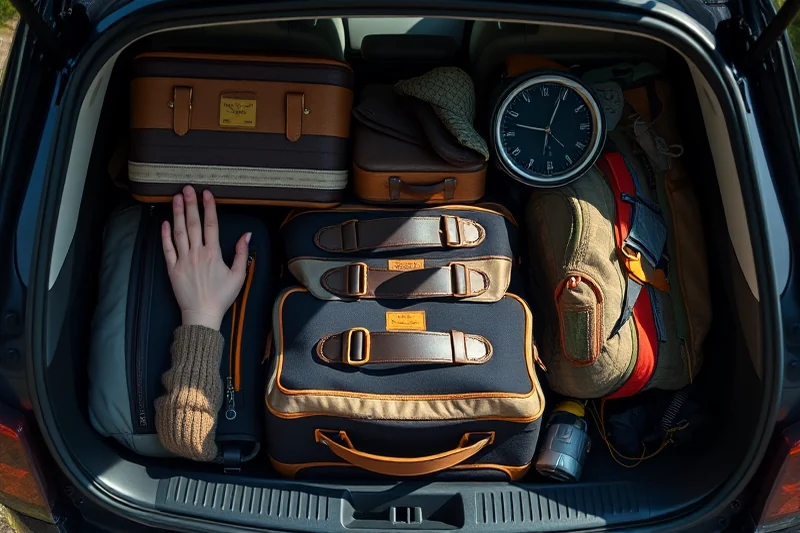
I once tried to camp in a remote site with no electricity, and I quickly realized that my phone died after just a few hours — and I had no way to charge it. That taught me the importance of choosing a campsite that has access to basic amenities. For a small space, I recommend looking for sites that offer electric hookups, clean restrooms, and even a small store nearby for any last-minute needs.
I’ve found that smaller campsites are often better for families with limited space. They tend to have more amenities and are better organized for the number of people. I also look for campsites that offer shaded areas for rest and shaded picnic tables for meal times. This helps reduce the stress of the sun and makes the space feel more comfortable.
Another thing to consider is the proximity to nature without being too isolated. I’ve learned that while being in the middle of nowhere sounds romantic, it can be overwhelming for kids. A campsite that’s within a few minutes of a lake, trailhead, or even a small park is ideal. It gives you access to nature while still having some basic comforts.
Choose a campsite with access to water, electricity, and shaded areas — it makes your trip more enjoyable and less stressful.
Related: Family camping trips itineraries routes examples
Related: Family camping trips itineraries for beginners
Related: Family camping trips itineraries that actually work
Related: Family camping trips itineraries routes tips
Related: How to family camping trips itineraries routes
Packing Smart for a Small Space
I’ve made the mistake of bringing too many items on my trips, only to find that my van felt more like a warehouse than a living space. My solution? I now use packing cubes to organize my gear and I only bring what’s essential. I’ve also learned that using a rolling duffel bag for food and another for sleeping gear helps keep everything manageable.
Multi-use items are a game-changer. For example, I use a folding table that serves as a meal table, a craft station, and even a changing table for the baby. I also bring a single sleeping bag that works for both adults and kids, and I use a single tent that can be expanded for more space. These items help reduce the amount of gear I need to bring.
I’ve also learned the importance of decluttering before the trip. I go through my camping gear and only bring what I truly need. I’ve found that this helps me save space and also reduces the stress of deciding what to bring. It also helps me stay more focused on enjoying the trip rather than worrying about what’s missing.
Invest in gear that can be used for multiple purposes — like a folding table or a single sleeping bag. These items help save space and reduce the amount of gear you need to bring.
“I still remember the first time we packed the car for a weekend camping trip with our two young kids and a dog.”— Campandtots editors
Making the Most of Your Time in the Campsite
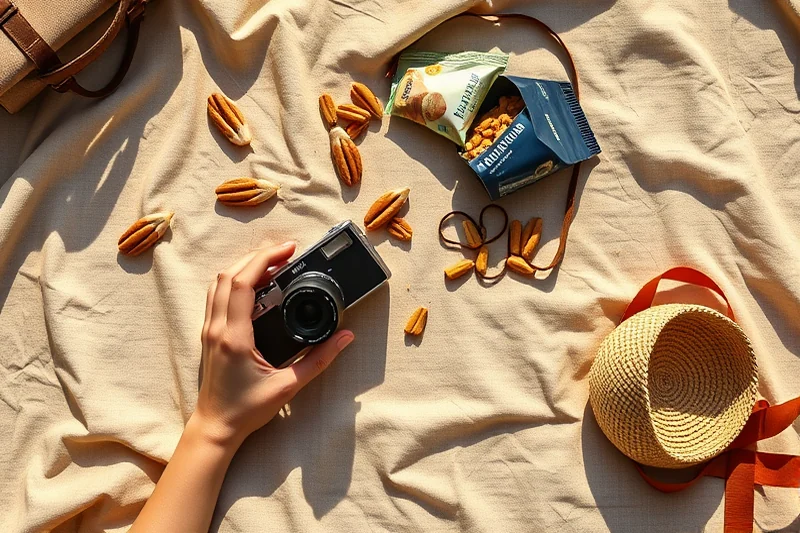
I’ve found that having a daily plan helps keep things organized and prevents the chaos that can come with a lack of structure. I create a loose schedule that includes time for meals, rest, and activities. This helps ensure that everyone has something to do and that we’re not wasting time waiting for the kids to decide what they want to do next.
I’ve also learned that it’s important to balance activity with relaxation. I’ve made the mistake of over-scheduling our days and ending up with exhausted kids and a stressed-out family. My solution? I now leave time for spontaneous activities, like playing in the lake or just sitting around the fire. This helps everyone feel more at ease and enjoy the experience more.
Another thing I’ve learned is the importance of using the space you have wisely. I’ve found that setting up a small tent for the kids and another for the adults helps create separate spaces for different activities. This way, the kids have their own space to play and the adults have a place to relax without the noise.
Keeping Everyone Happy on a Small-Space Trip
I’ve found that keeping the kids engaged is key to a successful small-space trip. I use activities like nature scavenger hunts, storytelling, and simple games to keep them entertained. I also make sure to have a small area set up for them to play in, even if it’s just a few mats or a tent with some toys.
I’ve also learned that the adults need time to relax as well. I now make sure to have a spot where we can sit and enjoy the fire or the lake without the kids around. This helps everyone feel more at ease and enjoy the trip more.
Finally, I’ve found that being flexible is essential. I’ve made the mistake of sticking too rigidly to my plan and ending up frustrated when things didn’t go as expected. My solution? I now leave room for spontaneity and am willing to adapt to the needs of the group. This has made our trips more enjoyable and less stressful.
💰 Budget Camping
A low-cost option that focuses on minimal gear and free or low-cost campsites, perfect for families looking to save money without sacrificing fun.
🏕️ Long Weekend Escape
A quick 3-day trip that’s ideal for those who want to get away without spending too much time on the road. It’s perfect for a family who wants a break but can’t commit to a full week.
👨👧👦 With Kids
A trip designed for families with young children, focusing on easy activities, shaded areas, and kid-friendly amenities to keep everyone happy.
🍂 Off-Season Adventure
An off-season camping trip that offers lower prices, fewer crowds, and a chance to enjoy nature in a quieter, more relaxed setting.
🛏️ Luxury Camping
A high-end camping experience that includes premium gear, private spaces, and access to luxury amenities like hot showers and gourmet meals.
| The mistake | Why it happens | The fix |
|---|---|---|
| Overpacking the van with unnecessary gear. | This makes the space feel cramped and reduces the comfort of the trip. | Use a gear checklist and only bring what you absolutely need. Focus on multi-use items to save space. |
| Choosing a remote campsite with no amenities. | This can lead to stress and discomfort, especially for children. | Choose a campsite with access to basic amenities like restrooms, water, and shaded areas. |
| Not having a plan for the kids’ activities. | This can lead to boredom and frustration, especially for younger children. | Plan simple, space-friendly activities like scavenger hunts, storytelling, or games to keep the kids engaged. |
| Not having a plan for meals. | This can lead to stress and wasted time, especially in a small space. | Plan meals ahead of time and use portable, non-perishable foods that are easy to prepare. |
Family Camping Trips Itineraries For Small Spaces
Common Questions
What should I pack for a small-space camping trip?
How do I keep the kids entertained in a small space?
What’s the best time of year to go camping with a small group?
How much does a 4-day small-space camping trip cost?
References
- Statewide Comprehensive Outdoor Recreation Plan (parks.ny.gov)
Cite this guide
Campandtots (2026). Family Camping Trips Itineraries For Small Spaces. https://campandtots.com/family-camping-trips-itineraries-for-small-spaces/
Feel free to cite or share this guide.