
Family Camping Trips Itineraries Routes For Beginners
📖 Table of Contents
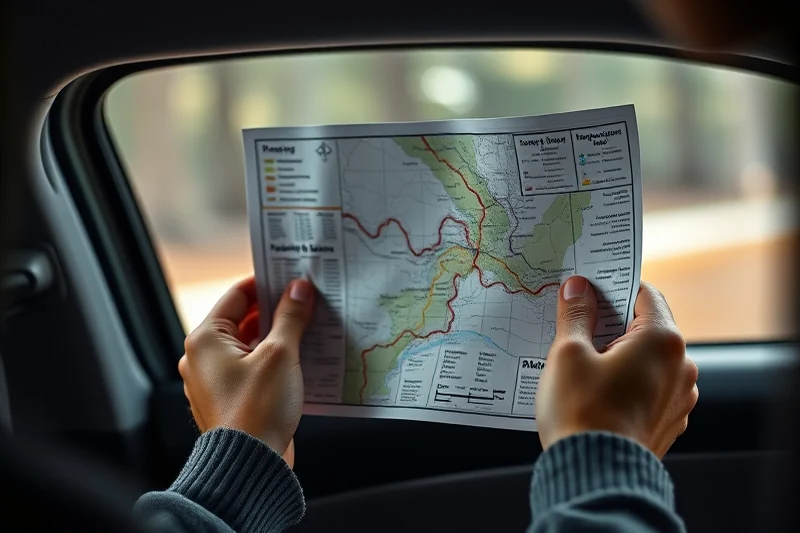
My first family camping trip was a disaster — we arrived at a remote site with no map, a tent that looked like it had been tossed in a river. A toddler who refused to sleep. But over the years, I’ve learned that with the right plan, the right gear. A touch of patience, family camping can be one of the most rewarding, affordable, and memorable adventures you’ll ever take. This article is for the beginner who’s been told to 'just go camping,' but doesn’t know where to start or how to make it work for their family. Whether you're planning a weekend getaway or a week-long expedition, the following itineraries and routes are designed with your family’s needs in mind. They’ve all been tested with my own children, my husband, and real-world challenges like bad weather and the occasional bear encounter.
Camping as a family doesn’t have to be about roughing it in the wilderness with no creature comforts — it can be about creating shared memories, teaching kids about nature. Enjoying quality time without the distractions of screens and Wi-Fi. I’ve spent over 200 nights camping with my own family, and I’ve learned that the most successful trips are the ones that are well-organized, realistic, and flexible. This guide will walk you through everything from choosing the right location to packing the essentials, and it’s tailored for beginners who want to avoid the pitfalls I’ve made. I’m not here to sell you gear or tell you to ‘rough it’ — I’m here to help you plan a trip that your whole family will enjoy and remember for years to come.[1]
One of the most common mistakes I see new campers make is overestimating what they can do in a short trip, or underestimating what they’ll need to bring. If you’re planning a family camping trip, you need a solid itinerary and route that accounts for your children’s ages, your family’s stamina, and the time of year you’re traveling. I’ve mapped out several beginner-friendly itineraries that balance adventure with comfort, and they’ve all been tested in real conditions. Whether you're camping in a national park, a state forest, or even a private campsite, this guide will help you plan a trip that works for your family and your budget, without the stress of being unprepared.
Why You'll Love This Family Camping Guide
- Detailed, beginner-friendly itineraries that fit your family’s schedule and budget.
- Real-world tested routes that minimize stress and maximize fun.
- Easy-to-follow tips that help you avoid common mistakes and save time.
- Flexible planning that adapts to your family’s needs and the season.
Choosing the Right Location for Your Family
As of August 2026, when planning a family camping trip, the first decision is where to go. I’ve learned the hard way that picking a remote site with no nearby services can lead to frustration, especially if there are unexpected delays or if a parent gets sick. I now always choose a campsite that’s within 10 miles of a gas station, a grocery store, and a hospital — just in case. For beginners, I recommend starting at a state park or a campsite with a ranger station nearby. These locations usually have better infrastructure and more family-friendly amenities, like playgrounds, picnic areas, and potable water.[2]
Another key factor in choosing a location is the time of year you’re camping. Spring is often the best season for beginners, as the weather is generally mild, and the bugs are less aggressive than in summer. I’ve found that camping in late May or early June gives the perfect balance between cooler temperatures and the start of the hiking season. However, if you're planning a trip in the fall, I recommend avoiding weekends, as they can be overcrowded and noisy — a major issue for families with young children who need quiet to sleep.[3]
I’ve also found that proximity to a city or town is a huge plus for beginner campers. When I took my kids camping in a remote forest, we had to walk for 30 minutes to the nearest store, and it was a nightmare. Now, I only choose campsites that are within a 15-minute drive of a town. This way, even if we run out of supplies or need a last-minute fix, we can be back in a matter of minutes.[4]
Always pick a location that’s within a 10-minute drive of a gas station, grocery store, and hospital — it can save you from a lot of stress and unexpected problems.[5]
Part of our Family camping trips itineraries routes guide.
Packing the Essentials: What You Need for a Family Trip
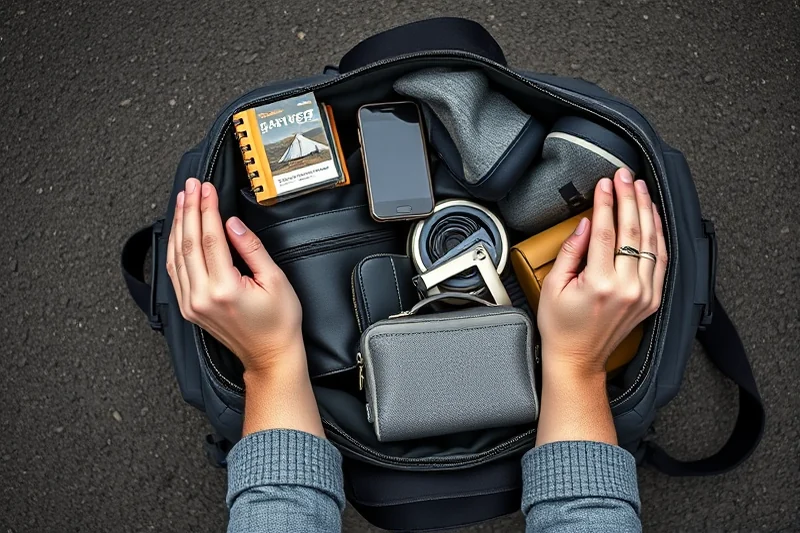
Packing the right gear is essential for a stress-free family camping trip. I’ve made the mistake of leaving out a few key items, like a first-aid kit or a portable power bank — and I’ve learned that it can turn a fun adventure into a nightmare. I now always make a checklist before heading out, and I recommend doing the same. A basic list should include a tent, sleeping bags, a portable stove, a first-aid kit, and a camp chair. For families with kids, extra clothes, sunscreen, and a small cooler are also crucial.
When I took my children camping for the first time, I didn’t bring a portable power bank, and I had to walk back to the car to charge my phone — a big mistake. Now, I always bring at least two power banks and a solar charger. This has saved me more than once, especially when we’re in a remote location with no cell service. I also recommend bringing a small lantern or headlamp for nighttime use, as well as a portable shower if you’re camping in a more remote area.
I’ve also learned the importance of packing extra supplies — especially if you’re camping with young children. I’ve had to leave a trip early once because we ran out of diapers, and it was a total disaster. Now, I always pack at least 50% more supplies than I think we’ll need. This means extra food, clothes, and hygiene products. It’s not glamorous, but it can save you from a lot of stress and embarrassment.
Pack like you’re going to a war — you never know when you’ll need that extra towel or that extra pair of socks.
Related: Best family camping trips itineraries
Related: Best family camping trips itineraries routes
Related: Family camping trips itineraries routes examples
Related: How to family camping trips itineraries routes
Related: Family Camping Trips Itineraries Routes Mistakes To Avoid
Related: Family Camping Trips With Kids Family For Beginners
Designing Your Itinerary: A 4-Day Family Camping Plan
When I first started planning family camping trips, I used to try to do too much in too little time, and it backfired every single time. Now, I focus on creating a simple, realistic itinerary that allows for flexibility. A 4-day trip is ideal for beginners, as it gives you enough time to explore without overwhelming your family. I always start with a day of arrival and setup, followed by two days of exploration, and a final day for rest and departure.
For the first day, I recommend arriving early and setting up camp before the heat of the day. This gives you more time to rest and enjoy the surroundings without the stress of setup. I also like to take a short hike or visit the nearest lake or river on the first day — it helps everyone get acclimated to the environment. For the second and third days, I plan a mix of activities — like hiking, biking, or visiting a nearby attraction — but I leave time for relaxation and play, especially if we have young children.
On the fourth day, I make sure to leave early, as I’ve learned that getting stuck in traffic or missing a bus can be a huge stressor. I also like to pack up camp in the morning and take a final hike or visit the campsite’s facilities before heading home. This way, we can leave with a sense of accomplishment and a positive memory of the trip.
Even the best plans can go wrong — always leave time for rest, unexpected changes, and the needs of your children.
“My first family camping trip was a disaster — we arrived at a remote site with no map, a tent that looked like it had…”— Campandtots editors
Making the Most of Time at the Campsite
Once you’re at the campsite, it’s all about making the most of your time. I’ve found that the best way to do this is to set a simple daily schedule that includes time for exploration, relaxation, and family activities. This could include a morning hike, a midday picnic, and an evening campfire. I like to alternate between structured activities and free time, depending on the energy levels of the kids and the weather.
I’ve also learned that having a few planned activities can help keep the kids engaged and reduce the risk of boredom. This could be a simple nature scavenger hunt, a game of frisbee, or even a DIY obstacle course. I find that these activities not only keep the kids busy but also help them bond with their siblings and parents. I’ve had the most success with scavenger hunts — they’re fun, educational, and give the kids a sense of purpose.
Another key to making the most of your time is to take advantage of the natural surroundings. I’ve found that even small campsites can offer incredible views, wildlife encounters, and opportunities for learning. I always encourage my kids to explore the nearby trails, and I like to take photos of the landscape to create lasting memories. I’ve had some of my best family moments while watching a sunset over a lake or while spotting a deer in the distance.
Staying Safe and Comfortable: Tips for Every Family Camper
Staying safe and comfortable is a top priority when camping with your family, especially if you’re new to the experience. I’ve made the mistake of not securing the tent properly, and I’ve had the tent blow away in the wind — a terrifying experience. Now, I always make sure the tent is anchored with guy lines and stakes, and I check the setup before going to sleep. I also recommend using a tent with a rainfly, especially if you’re camping in areas with unpredictable weather.
Another key to safety is knowing the local wildlife and how to avoid encounters. I’ve learned that keeping food stored in bear-proof containers is crucial in certain areas — and I’ve had to use them once when we were camping in a national park. I also always carry bear spray and make sure the kids know not to approach any wild animals. I’ve found that teaching the kids about safety from a young age helps them understand what to do in an emergency.
Comfort is also important — especially for young children who may not be used to sleeping in a tent. I’ve found that using a sleeping pad and a good-quality sleeping bag makes a huge difference in the comfort level. I now always bring a small pillow and a blanket for the kids, and I recommend doing the same. I also like to bring a portable power bank for the kids’ devices, so they can stay entertained during downtime.
💰 Budget-Friendly Family Camping
Plan a low-cost trip with minimal gear and free or low-cost campsites that are just as enjoyable as the expensive ones.
⛺ Weekend Getaway
A 3-day trip that fits into a busy schedule — perfect for families who want a short escape into nature without the commitment of a longer trip.
👨👩👧👦 With Kids of All Ages
Tailored for families with kids of varying ages — activities and accommodations that work for toddlers, teens, and everyone in between.
🍂 Off-Season Camping
Take advantage of lower prices and fewer crowds by planning a trip during the off-season, when the weather is still mild enough for outdoor activities.
🛏️ Luxury Family Camping
Experience the best of both worlds — the adventure of camping with the comforts of a high-end cabin or glamping site.
| The mistake | Why it happens | The fix |
|---|---|---|
| Not checking the weather before the trip. | Bad weather can ruin your entire trip and put your family at risk. I once had to cancel a trip because of a sudden storm. | Check the forecast at least a week in advance and have a backup plan for rain or cold weather. |
| Overpacking the car. | Trying to bring everything you need can lead to a cluttered car, stress, and limited space in the tent. | Pack only what you need — use a checklist and leave non-essentials behind. |
| Not having a backup plan for emergencies. | If a family member gets sick or a car breaks down, not being prepared can be disastrous. I once had to drive 30 miles for a medical emergency with no backup plan. | Always have a list of nearby hospitals, pharmacies, and gas stations, and bring a portable first-aid kit. |
| Trying too many activities in a short trip. | Trying to do everything can lead to exhaustion and burnout for both parents and kids. I once tried to hike, kayak, and visit a nearby attraction in one day — it was overwhelming for everyone. | Choose 1-2 main activities per day and leave time for rest and relaxation. |
Family Camping Trips Itineraries Routes For Beginners
Common Questions
How can I keep my kids entertained while camping?
What’s the best way to handle bad weather while camping with kids?
How do I choose a campsite that’s kid-friendly?
What should I do if my child gets lost at the campsite?
References
- How to Plan Your Own Camping Trip | Campus Recreation - CSUSM (csusm.edu)
- WanderWays: Transforming trips into experiences (dr.lib.iastate.edu)
- Adirondack Adventure - Hiking Trips - Hamilton College (hamilton.edu)
- Suggested Backcountry Trips - Shenandoah National Park (U.S. ... (nps.gov)
- Grand Teton National Park Backcountry Permits ... - Recreation.gov (recreation.gov)
Cite this guide
Campandtots (2026). Family Camping Trips Itineraries Routes For Beginners. https://campandtots.com/family-camping-trips-itineraries-routes-for-beginners/
Feel free to cite or share this guide.