
Family Camping Trips Budget Guide
📖 Table of Contents
There’s nothing quite like the first morning of a family camping trip. The smell of pine in the air, the sound of birds chirping through the trees, and the quiet thrill of waking up in a place where the only clock is the sun. I’ve been on dozens of family trips, from tent camping in the Rockies to glamping in the Smokies, and I’ve learned that while the experiences are unforgettable, the budget can be tricky. That’s why I wrote this family camping trips budget guide — to help you plan a trip that’s both affordable and full of memories.
A few years ago, I took my family on a four-day camping trip in the Pacific Northwest. We spent about $680 total, including gear, food, and a rental van. It wasn’t cheap, but it wasn’t lavish either, and we packed so many experiences into that short time that it felt like we’d traveled for weeks. I know that budgeting for a family trip can feel overwhelming, especially if you’re new to camping or have kids who don’t yet understand the value of a ‘cost-effective’ vacation. But with the right planning, it’s possible to have an amazing trip without breaking the bank.[1]
This family camping trips budget guide is designed for anyone who wants to enjoy the outdoors without the financial strain. I’ll walk you through everything from choosing the right location to calculating your daily expenses and even how to handle unexpected costs. Whether you’re planning your first trip or your tenth, there’s something here that will help you spend less and enjoy more.
Why You'll Love This Family Camping Trips Budget Guide
- Get real, actionable tips to save on food, gear, and accommodations.
- Learn how to choose a campsite that fits both your budget and your family's comfort level.
- Discover how to maximize your time in the outdoors without overspending.
- Avoid common mistakes that can blow your camping budget out of the water.
Choosing the Right Campsite
As of August 2026, the first step in creating a budget-friendly trip is to choose the right campsite. National parks, state parks, and private campgrounds all have different price points and amenities. For example, a site in a state park might cost around $25 per night, while a private resort-style campsite could easily double that. I’ve found that sticking to state parks or public lands with basic facilities can save hundreds of dollars over the course of a trip.[2]
Location also plays a big role in cost. Camping near major cities often means higher fees, but you might find more amenities nearby. On the other hand, more remote locations can be much cheaper, but you’ll need to be prepared for fewer comforts. I once camped in a remote area in Utah where the site was free, but we had to bring everything in — from water to firewood. It was an adventure, but the savings were worth it.
When I planned my most recent trip, I chose a state park with fire pits and primitive shelters. The site was $20 per night for a family of four, and it was just far enough from the city to feel like a real escape. The key is to find a balance between cost, comfort, and convenience.
Research campsite options in advance. Use free apps like Recreation.gov or state park websites to compare prices, facilities, and availability. A few dollars saved on the campsite can add up to hundreds over the course of a trip.
Part of our Family camping trips budget planning guide.
Packing Smart to Save on Costs
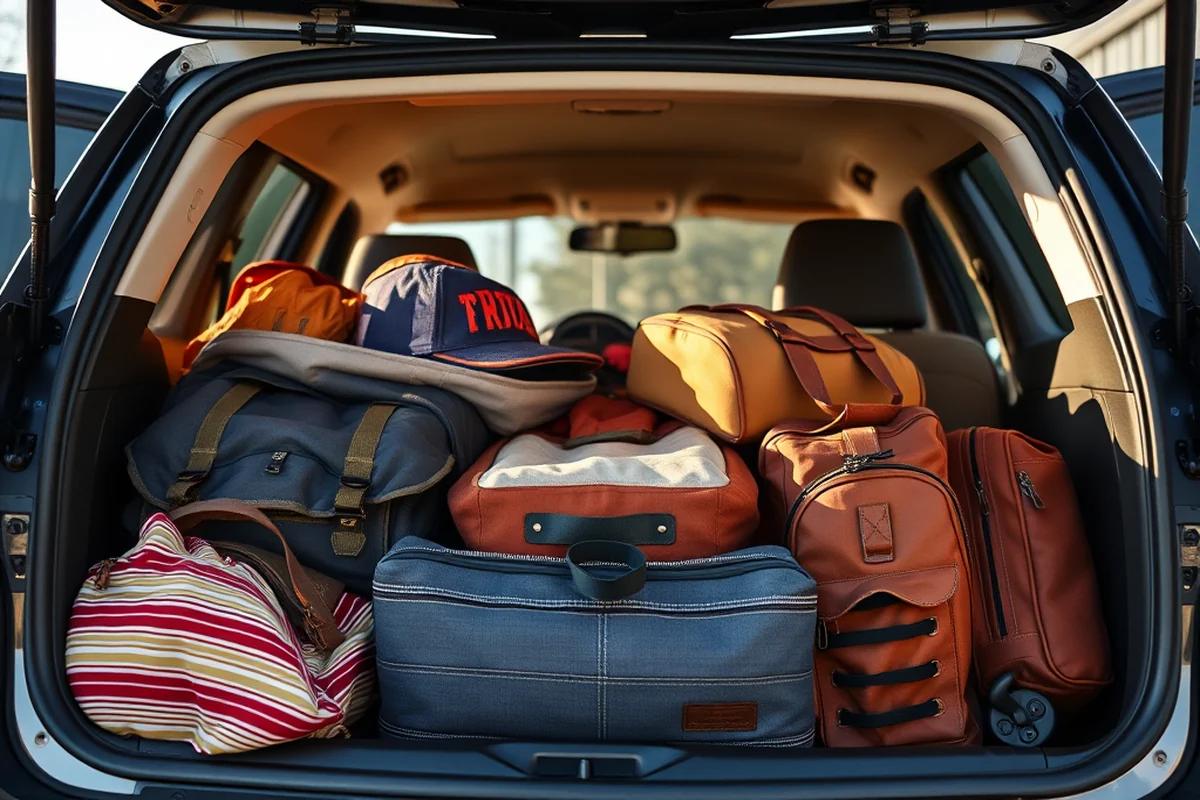
One of the biggest expenses on a camping trip is food, and the cost can vary dramatically based on how much you bring from home. I’ve found that buying groceries in bulk before the trip and packing meals like sandwiches, trail mix, and pre-cooked proteins can cut food costs in half. For example, on a recent trip, I spent about $50 on food for four people over four days — a significant savings compared to buying meals at a store or restaurant.
You can also save by reusing items from home. I’ve reused old sleeping bags, tents, and camping chairs on multiple trips, which saved me hundreds of dollars over time. When I first started camping, I bought a new tent for $300 — now I know I can reuse it for years with proper care.
Another way to save is to pack reusable items like water bottles, plates, and utensils. Not only does this reduce waste, but it also cuts down on the need to buy disposable items on the go, which can be costly and less eco-friendly.
A little preparation can save a lot of money — and headaches — on the trail.
Related: Family camping trips budget printable
Related: Quick family camping trips budget planning
Related: Family camping trips budget planning examples
Related: Budget Family Camping Trips Stops
Related: Budget Family Camping Trips Routes
Transportation and Travel Costs
Whether you’re driving your own car, renting a van, or using public transportation, the cost of getting to the campsite can significantly impact your overall budget. For example, I once rented a mid-sized van for $120 per day for a four-day trip — that’s $480 just for the van, not including gas. To save, we used a family friend’s van, which cut the cost by over 60%.
Gas is another expense to consider. I’ve found that planning a route with fewer highway miles can save money on fuel and reduce wear and tear on the car. For instance, on a trip to the Pacific Northwest, we took a scenic route that added 30 miles to our trip but saved us $20 in gas due to better traffic conditions.
If you’re using public transportation, look for deals and passes that can reduce the cost. Some parks offer shuttle services for a fee, which can be a cost-effective way to get to more remote sites.
If possible, carpool with friends or family. Splitting the cost of transportation can reduce expenses significantly, especially for larger vehicles. I’ve saved hundreds of dollars by sharing a van with other campers on multiple trips.
“There’s nothing quite like the first morning of a family camping trip.”— Campandtots editors
Planning for Emergencies
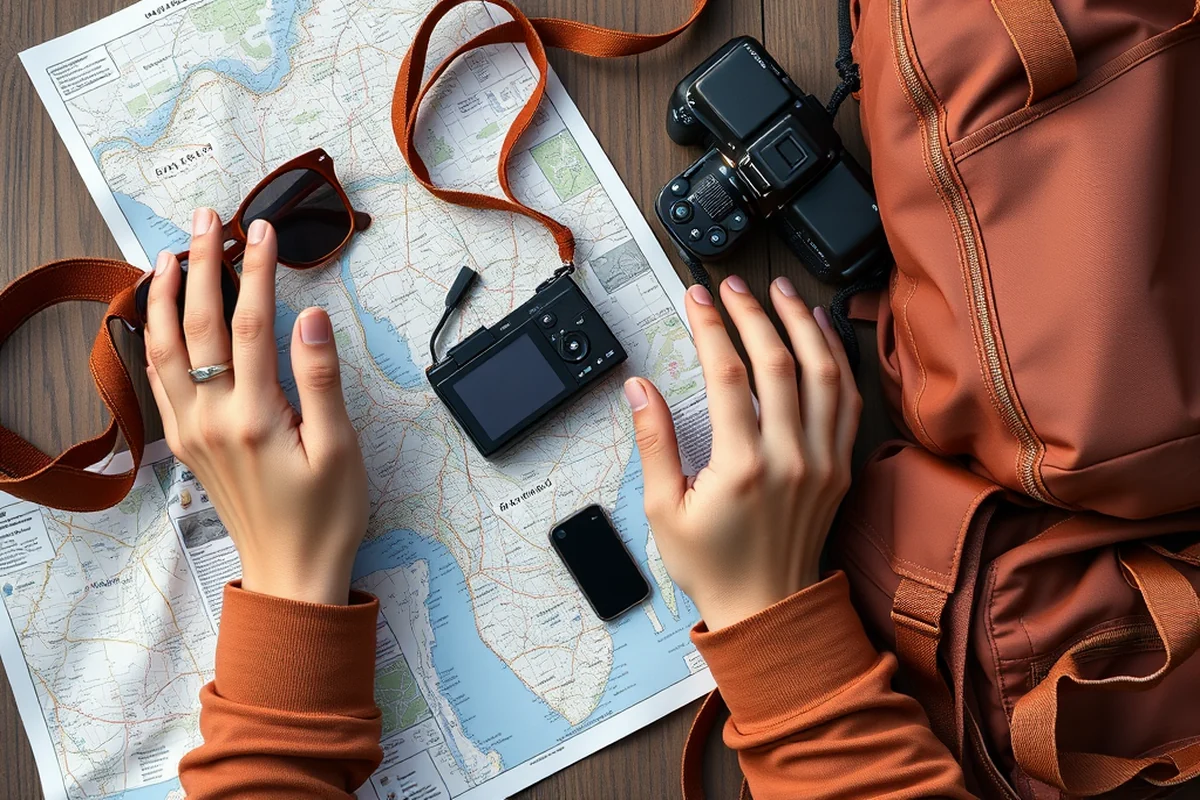
When I first started camping, I didn’t plan for emergencies. I ended up spending $200 on a broken tent pole and a replacement air mattress — all because I forgot to check the condition of the gear before the trip. Now I always pack a small emergency kit with items like duct tape, spare batteries, and a first aid kit.
Another thing to consider is weather. If you’re camping in an area that experiences sudden rain or temperature drops, you’ll need extra layers and waterproof gear. I once spent $150 on rain gear for my family when we were caught in a surprise storm, which could have been avoided with a better check of the forecast.
I also recommend having a backup plan for power. On one trip, my generator failed, and we had to stay in our car for two nights. It was uncomfortable, but it could have been far worse if we hadn’t had a portable light and a small camping stove.
Making the Most of Your Time on the Trail
When I first started camping, I thought that the more activities we did, the more we’d get out of the trip. But I quickly learned that quality over quantity is key. I spent one trip hiking 15 miles in one day, and while it was exhausting, it didn’t give us time to really enjoy the environment. Now I plan for a few key activities, like a day hike, a picnic, and a campfire, which allows for relaxation and bonding.
I’ve found that focusing on one or two main activities each day — like a nature walk or a game of frisbee — can be more enjoyable and less draining. It also allows for more time to explore and appreciate the surroundings without feeling rushed.
Another tip is to leave some time for spontaneity. Sometimes the best memories come from unplanned moments, like finding a great fishing spot or discovering a hidden trail. I once spent an afternoon by accident following a group of hikers and ended up with some of the best photos from the trip.
💰 Budget Camping
Camping with minimal costs — ideal for first-time campers or families on a tight budget.
🚗 Long Weekend Escape
A short trip that offers the perfect mix of relaxation and adventure without the need for a full week.
👨👩👧👦 Family Adventure with Kids
Tailored for families with children, with activities and accommodations that make camping fun for all ages.
🍂 Off-Season Camping
Camping outside the peak season can offer lower prices and a more peaceful experience in nature.
🏕️ Luxury Camping
For those who want a more comfortable camping experience with premium amenities and services.
| The mistake | Why it happens | The fix |
|---|---|---|
| Not researching campsite options in advance | This can lead to unexpected costs or poor accommodations that impact the overall experience. | Research campsite options and availability before the trip to ensure you have a comfortable and budget-friendly stay. |
| Overpacking food and gear | This can increase transportation costs and make the trip more stressful. | Pack only what you need and prioritize lightweight, multi-use items to minimize costs and stress. |
| Not planning for emergencies | Emergencies can be expensive and stressful if you’re not prepared. | Always bring an emergency kit with items like duct tape, spare batteries, and a first aid kit to handle unexpected situations. |
| Ignoring the weather forecast | Bad weather can ruin the trip and lead to additional costs if you’re not prepared. | Check the weather forecast before the trip and bring appropriate gear like raincoats and extra layers. |
Family Camping Trips Budget Guide
Common Questions
What is the average cost for a family camping trip?
How can I reduce food costs on a camping trip?
Are there free camping options for families?
What should I do if my gear breaks during the trip?
References
- Determinants of tourists' length of stay - PMC - NIH (pmc.ncbi.nlm.nih.gov)
- TPWD CO-OP Awards More Than $820000 in Grants to Texas ... (tpwd.texas.gov)
Cite this guide
Campandtots (2026). Family Camping Trips Budget Guide. https://campandtots.com/family-camping-trips-budget-guide/
Feel free to cite or share this guide.