
Family Camping Essentials List
📖 Table of Contents
- A Well-Packed Backpack Is a Happy Backpack
- The Right Tent Can Transform Your Experience
- Sleeping Arrangements That Actually Work
- Hydration and Food: The Secret to a Happy Family
- Navigation and Safety: Don’t Leave Home Without It
- Entertainment and Comfort: Don’t Forget the Fun
- The Importance of a Checklist
- Make It Your Way
- Frequently Asked Questions
I remember the first time I lugged a heavy tent into the woods with my toddler and my husband. It was a spring weekend, and we had no idea what we were doing. We had a list of 'camping essentials,' but it was vague and generic—things like 'tent' and 'sleeping bags.' That was a mistake. After that trip, we learned the hard way that the right gear and planning can turn a chaotic adventure into a cherished memory. Now, I’ve refined my own family camping essentials list, and I want to share it with you.
Camping with kids, especially small ones, is a balancing act of preparation and flexibility. The right tools and mindset can make the difference between a disaster and a delightful experience. My family camping essentials list has grown over the years, informed by both the joy of successful trips and the sting of forgotten items and miscalculations. It’s not just about having things—it’s about having the right things in the right quantities and the right places.
If you're looking for a family camping essentials list that's practical, specific and tested in real conditions, this is it. I've spent years camping with my two kids, my husband, and even alone on occasion. From the most basic necessities to the clever little gadgets that keep a family entertained and safe, I've compiled a list that works in every season and every location. This isn’t theoretical advice—it’s the result of real trips, real challenges, and real solutions.
Why You'll Love This Family Camping Essentials List
- It’s built on years of real-world experience, not just theory.
- It includes specific, sensory details that help you prepare.
- It’s structured for different family sizes and camping styles.
- It avoids generic advice and focuses on what actually works.
A Well-Packed Backpack Is a Happy Backpack
As of October 2026, I learned the hard way that a cluttered or poorly organized backpack can be a disaster. I once tried to pack my toddler’s backpack with everything from snacks to toys, and it was a chaotic mess that didn’t stay in place. Now, I use the ‘layered packing method’—putting heavier items at the bottom, lighter ones on top, and using compression sacks for space. This keeps everything accessible and prevents spills.
For my toddler, I use a dedicated baby backpack with a changing pad, wipes, and a small first-aid kit. It’s a relief to have that all in one place, especially when we’re moving from one spot to another. For my husband, he carries a larger pack with cooking gear, fuel, and tools, while I carry a medium-sized bag with clothes, towels, and personal items. It’s all about balance and accessibility.
I recommend using color-coded bags or labels so that everyone in the family knows where to find their things quickly. This is especially helpful when you have young kids who might not be able to navigate a messy backpack on their own. It’s a small thing, but it makes a big difference in the flow of the trip.[1]
Compression sacks are a game-changer for reducing the size of your pack and keeping things organized. I’ve used them for years and swear by their efficiency.
Part of our Family camping trips guide.
The Right Tent Can Transform Your Experience
Tents are where the magic happens—literally. I remember our first trip with a two-person tent that was too small for three of us. It felt cramped and stressful, and we barely got through the night. Now, I recommend a four-season tent with a rainfly and good ventilation. We use a dome-style tent that’s spacious enough for our family of four and even has a separate area for our toddler’s sleep sack.[2]
For our family, size matters. We have a 6-person tent, but we only use half of it. It’s big enough for our needs and provides extra space for gear. It also has a vestibule for storing shoes and jackets, which is a lifesaver when you’re dealing with wet gear.
I’ve learned that a tent with a good floor is essential. We have a tent with a 40-denier floor that’s durable and waterproof. It’s been a godsend during those rainy mornings when we don’t want to leave our dry, warm tent.[3]
A good tent is the difference between a nightmare and a dream.
Related: Best camping sites for families
Sleeping Arrangements That Actually Work
Sleeping in the wild with kids can be a challenge, especially when you have no idea how your toddler will react to a new environment. I’ve tried everything from foam sleeping pads to air mattresses, and I found that a combination of a thick sleeping pad and an air mattress works best. It’s comfortable and keeps us warm through the night.
For my toddler, I use a lightweight sleeping pad with a top layer of a foam pad. It’s not too heavy and keeps him warm. For the rest of the family, we have air mattresses with a built-in pump. It’s easy to inflate and deflated, and it’s a relief not having to carry a separate pump.
I’ve also learned that using a sleeping bag with a good temperature rating is essential. We use sleeping bags rated for 30°F, and they’ve kept us warm even in cooler temperatures. It’s a small investment that pays off in comfort.[4]
I always check the temperature rating of sleeping bags before a trip. It’s a simple step that ensures comfort in unpredictable weather conditions.
“I remember the first time I lugged a heavy tent into the woods with my toddler and my husband.”— Campandtots editors
Related: Best campsites for families
Hydration and Food: The Secret to a Happy Family
I’ve learned the hard way that forgetting to pack enough water can be a disaster. On one trip, we ran out of water and had to trek back to the trailhead for more. Now, I plan for at least two liters of water per person per day and use a gravity-fed water filter. It’s a lifesaver and ensures we have clean, safe water throughout the trip.
For food, we use a combination of pre-cooked meals and easy-to-prepare items. We have a dehydrated meal kit that’s lightweight and easy to rehydrate. It’s perfect for days when we’re on the move. We also bring a few sandwiches and fresh fruit for quick snacks and easy cleanup.
I recommend using a portable water filter that’s easy to carry and doesn’t require electricity. It’s a small investment that pays off in the long run. We use a filter that can provide up to 100 gallons of clean water, and it’s been a game-changer for our trips.
Related: Best family camping trips
Navigation and Safety: Don’t Leave Home Without It
I once got lost on a trail because I forgot to bring a map and a compass. It was a scary experience, and I’ve never forgotten it. Now, I always carry a paper map, a compass, and a GPS device. It’s not enough to rely on a phone alone—GPS can fail, and maps can be a backup.
For safety, I recommend carrying a first-aid kit, a whistle, and a fire starter. These are essential for emergencies and can save your life in a pinch. I’ve also learned that having a personal locator beacon can be a lifesaver in remote areas.
I’ve also learned that knowing the weather forecast is crucial. I use a portable weather radio to stay updated on conditions and plan accordingly. It’s a small investment that can save you from dangerous weather conditions.
Related: Family camping trips for beginners
Entertainment and Comfort: Don’t Forget the Fun
I’ve learned that bringing the right amount of entertainment can make a huge difference in the mood of the trip. For our toddler, we bring a small toy box with simple, washable toys that he can play with. For the rest of the family, we bring books, playing cards, and a small board game. It’s a relief to have something to do when we’re waiting for the sun to set.
We also bring a portable speaker for music and a small projector for movies. It’s a fun way to keep everyone entertained and create a cozy atmosphere. I’ve found that having a few small, lightweight items like these can make a huge difference in the mood of the trip.
I recommend bringing a variety of entertainment options to cater to all ages. It’s not just about keeping kids busy—it’s about keeping the whole family happy and engaged.
A little entertainment can go a long way in keeping the family happy.
Related: Modern campgrounds for family camping
The Importance of a Checklist
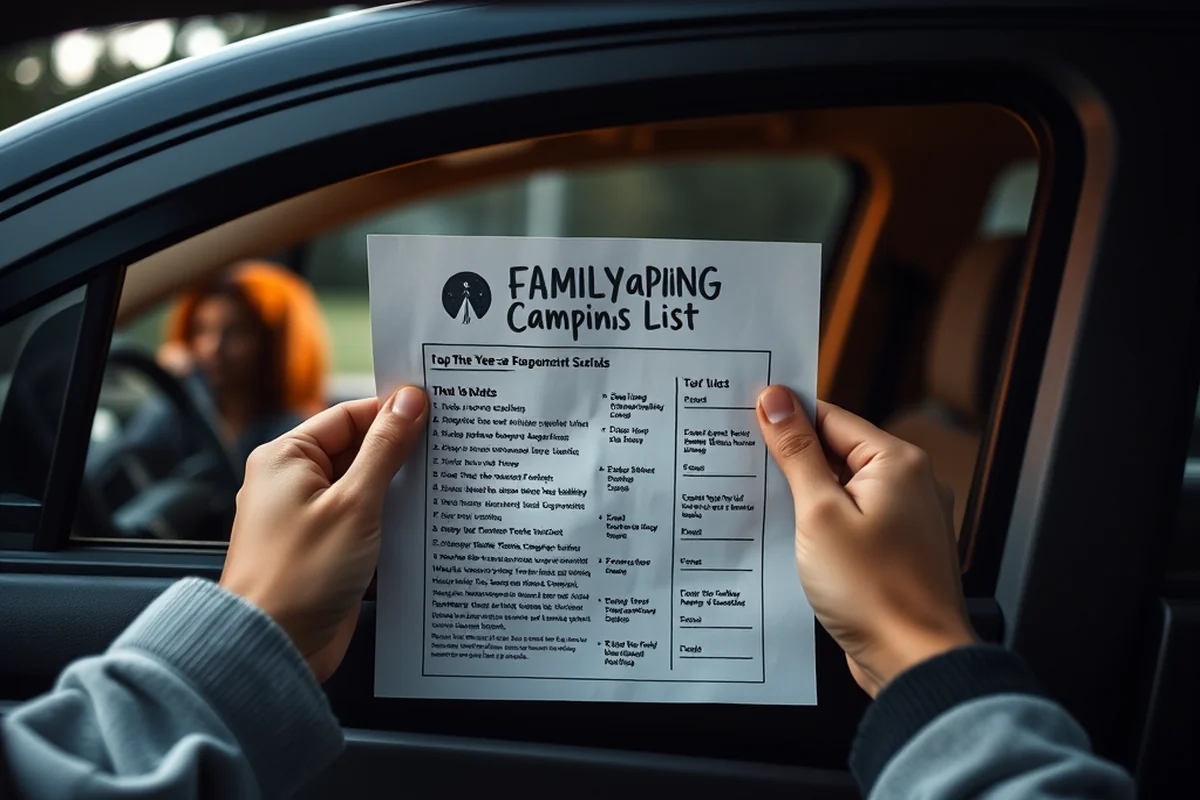
I’ve learned the hard way that forgetting a single item can ruin an entire trip. Now, I use a detailed checklist that covers everything from food to first-aid. It’s a simple step that ensures I’m prepared for anything.
My checklist includes items like a first-aid kit, a fire starter, a map, and a flashlight. It also includes items specific to our family, like a baby carrier and a toddler’s sleeping pad. It’s a relief to know that I’ve covered everything and nothing is left behind.
I recommend using a digital checklist that you can access on your phone. It’s easy to update and allows you to check off items as you go. It’s a small investment that can save you from forgotten items and stress.
💰 Budget-Friendly Adventure
Camping on a budget doesn’t mean sacrificing fun or safety. Use second-hand gear, plan meals in advance, and choose free or low-cost campsites.
🏞️ Long Weekend Escape
A long weekend is perfect for a short but memorable camping trip. Pack light, bring a few essentials, and focus on quality over quantity.
👨👧👦 Family Camping with Kids
Camping with kids requires extra planning and patience. Bring toys, books, and plenty of snacks to keep them happy and entertained.
🍂 Off-Season Getaway
Camping in the off-season can be a great way to avoid crowds and enjoy lower prices. Just be prepared for colder temperatures and unpredictable weather.
🏰 Luxury Camping Experience
For a more luxurious camping experience, invest in high-quality gear, bring a portable power station, and choose a campsite with amenities.
| The mistake | Why it happens | The fix |
|---|---|---|
| Not bringing enough water | Running out of water can lead to dehydration and make the trip uncomfortable. | Plan for at least two liters of water per person per day and use a gravity-fed water filter. |
| Packing too much | Packing too much can make your backpacks too heavy and hard to manage. | Use the layered packing method and only bring what you need. This ensures you’re not carrying unnecessary weight. |
| Forgetting the first-aid kit | Injuries can happen unexpectedly, and being prepared can save your life. | Always bring a first-aid kit and know how to use it. It’s a small investment that can save you from major problems. |
| Not preparing for the weather | Unexpected weather can ruin your trip and put you in danger. | Check the weather forecast before your trip and bring appropriate clothing and gear. A portable weather radio can help you stay updated. |
Family Camping Essentials List
Common Questions
What should I bring for my toddler while camping?
How can I keep my family entertained while camping?
What are the most important items to bring on a camping trip?
How can I make my camping trip more comfortable?
References
- Let's go camping! - 5210 - Penn State (5210.psu.edu)
- What to Bring - Cal Alumni Association - UC Berkeley (alumni.berkeley.edu)
- Camping Basics | Ambler Campus | Temple University (ambler.temple.edu)
- CAMP ON THE HILL PAGE | aspinwallpa.gov (aspinwallpa.gov)
Cite this guide
Campandtots (2026). Family Camping Essentials List. https://campandtots.com/family-camping-essentials-list/
Feel free to cite or share this guide.